
Tessa Wood writes about her path both into and out of academia, relating how coming from an under-resourced school system can cause friction when trying to pursue a future in higher education.
Finding a New Path After Academia

Tessa Wood writes about her path both into and out of academia, relating how coming from an under-resourced school system can cause friction when trying to pursue a future in higher education.
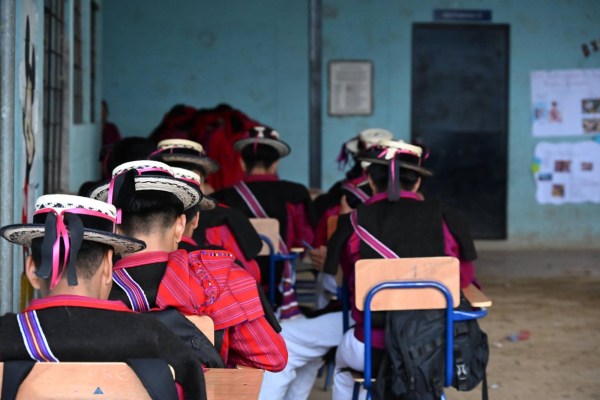
In July 2025, Henry Sales, Ph.D. student in Education and a 2025 Tinker CLACS Research Grant recipient, encountered educational disruptions in Guatemala due to a national teachers' strike, which transformed his research focus. Instead of formal classrooms, he observed Maya Mam communities sustaining learning through cultural practices and community engagement. The experience revealed that education is strengthened through cultural identity, emotional labor, and resilience amid uncertainty.

Andres Caícedo, Ph. D student in Environmental Science, Policy, and Management and a 2025 CLACS Summer Dissertation Fellow, researches the introduction of the hybrid OxG palm, engineered to resist Bud Rot disease in Tumaco, Colombia. This hybrid's reliance on assisted pollination has led to labor being feminized, with women often tending the plants, resulting in a complex intertwining of care, physical strain, and industry expectations.
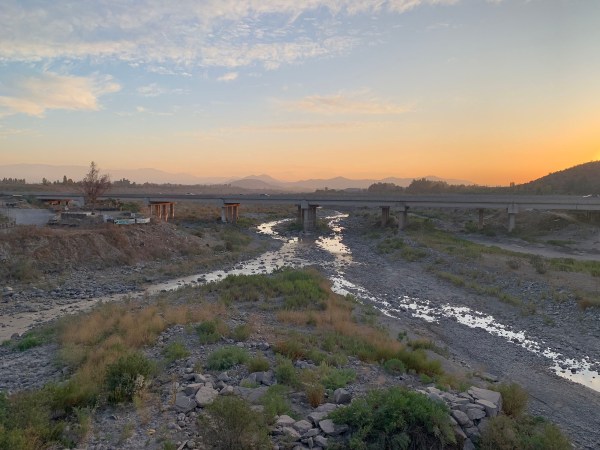
Kate Altemus Cullen analiza cómo las sequías pueden agravar la desigualdad y cómo responden las comunidades ante ellas. A nivel mundial, 2100 millones de personas carecen de acceso a agua potable segura y a menudo dependen de sistemas gestionados por la comunidad, como los APR en Chile, donde una megasequía prolongada ha afectado gravemente las fuentes de agua, exacerbando las desigualdades. A pesar de los desafíos asociados al cambio climático y a las demandas industriales, los líderes de los APR se esfuerzan por mantener el acceso al agua, lo que pone de relieve la necesidad de contar con apoyo institucional y participación comunitaria en la gobernanza del agua.
Kate Altemus Cullen examines how droughts can exacerbate inequality, and how communities respond. Globally, 2.1 billion people lack access to safe drinking water, often reliant on community-managed systems like APRs in Chile, where an ongoing megadrought has severely impacted water sources, exacerbating inequalities. Despite challenges linked to climate change and industrial demands, APR leaders strive to maintain water access, highlighting the need for institutional support and community participation in water governance.

Emiliano Arizmendi writes about the Mexican Working Group, focused on exploring Mexico's literary and cultural landscape. Graduate students engage in discussions on works like Fernanda Melchor's Temporada de huracanes emphasizing historical subjects and contemporary issues. The group aims to broaden its themes next year, integrating diverse perspectives on Mexican life and literature.
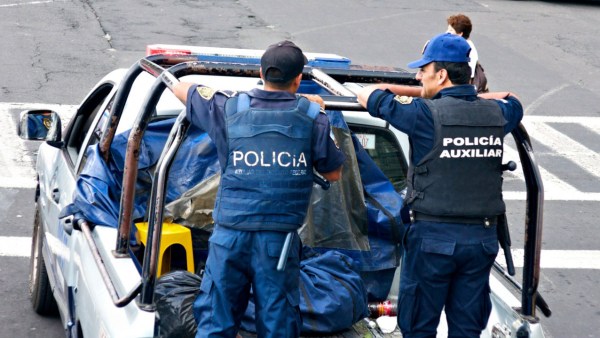
Juan C. Campos, Ph.D. student in Political Science and a 2025 CLACS Summer Dissertation Fellow, studies the effects of police reform efforts in Mexico. Do efforts at centralizing control of police forces strengthen their ability to control organized criminal groups, or do they increase collusion between the two groups?

In July 2025, four members of the Coletivo de Tradutores Berkeley-Brasil (Berkeley Brazil Translators Collective) — Derek Allen, Ana Claudia Lopes, Liam Seeley, and Luíza Bastos Lages — traveled to Brazil. They went to experience first-hand some of the realities that they worked on translating as part of Revista Pihhy, a project presenting Indigenous knowledge by Indigenous authors in English.
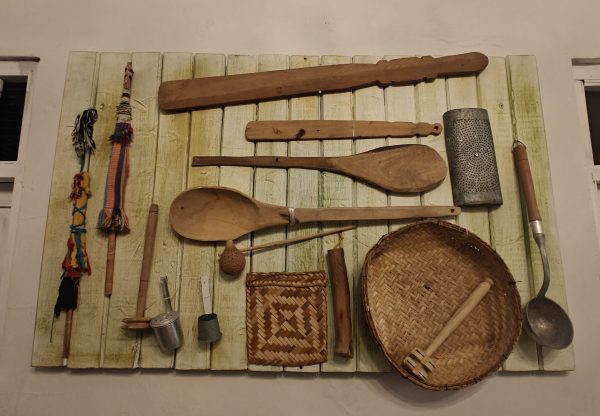
Traveon Rogers, Ph.D. Student in African American & African Diaspora Studies and a 2025 Tinker Field Research grant recipient, takes a culinary approach to research, using food to investigate the Afro-descendant impact and "Caribbean-ness" in Veracruz, Mexico and Cartagena, Colombia.

Pablo Eduardo Paredes Burgos, a Ph.D. student in Theater, Dance, and Performance Studies and a 2025-26 CLACS Graduate Affiliate, explores Bad Bunny's powerful homecoming at the 'No Me Quiero Ir de Aquí' residency, celebrating Puerto Rican pride and cultural roots.