
By Cristina S. Méndez
When I first heard that Sandra Oseguera (UC Berkeley) and Holly Moulton (College of the Holy Cross) were planning a workshop at the Latin American Studies Association (LASA) Congress focused on women’s experiences doing fieldwork in Latin America, I was intrigued. The theme is poignant and complex, and no method course I have taken has talked about navigating transnational fieldwork, specifically as a woman. My own experiences of navigating research in Latin America, both in Mexico and Guatemala, have highlighted the difficulties and complexities of how identity, safety, and positionality intersect.
In the workshop, I was one of the few people who joined virtually. The other participants were together at LASA. As I sat listening via Zoom to what was clearly an intimate, in-person discussion, I felt the weight of these considerations pressing against the screen that separated me from the physical gathering. There is no way to discuss fieldwork and experiences as women without centering on the body and emotions. I would like to highlight two key considerations that emerged from the workshop, which I believe require further, engaged discussion among researchers and methodologists: safety, and the need to engage with communities of researchers during fieldwork.
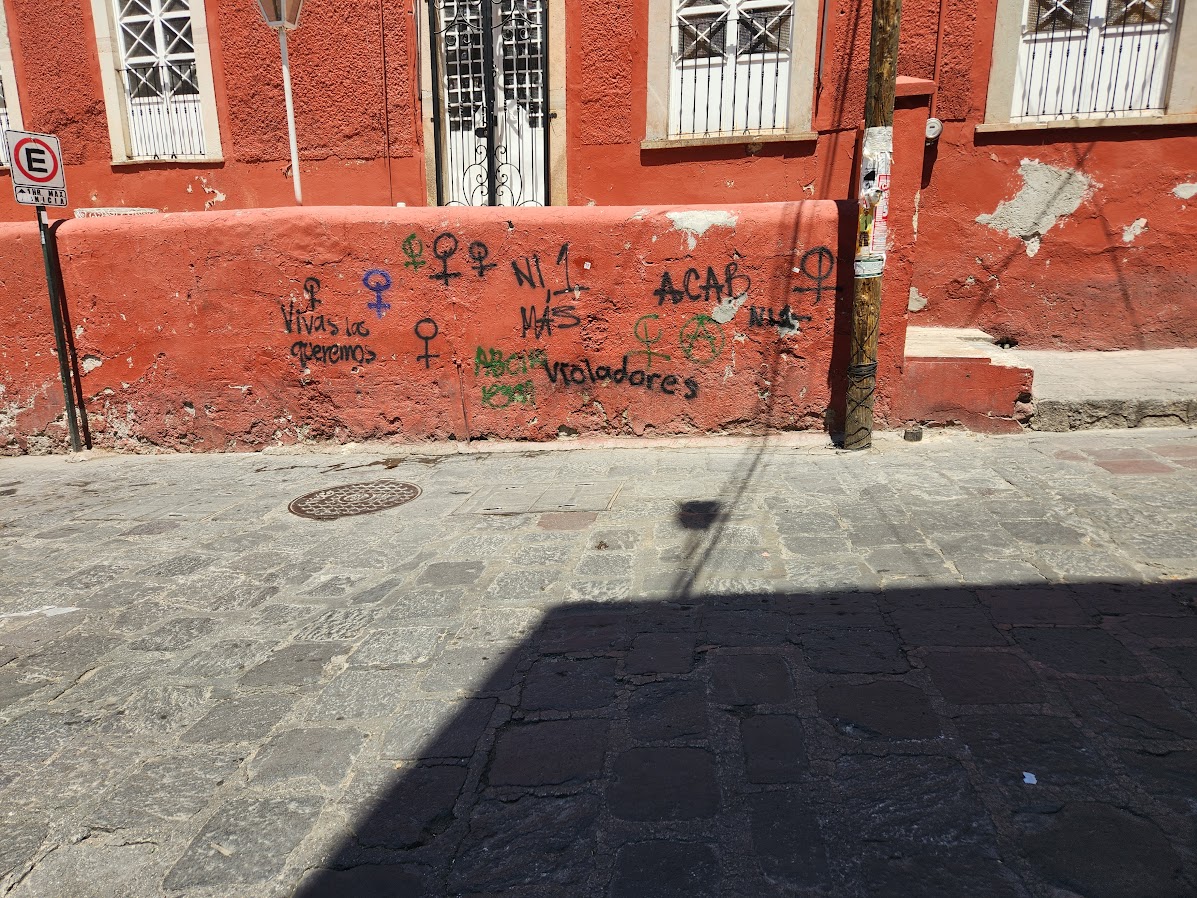
In the discussion, safety emerged not just as a practical concern but as something deeply intertwined with how we’re perceived within webs of relationships and social signals. That is, safety is intimately connected to identity and positionality. I distinguish identity from positionality here imperfectly to denote a difference from how we see ourselves (identity) versus how we operate in a given space based on multiple intersecting positions across systems of power (positionality). Something that may never be discussed in a field methods course is how marriage or perceptions of being engaged or in a committed relationship can significantly alter the type of fieldwork we are able to conduct. In the workshop, it became clear that the assumptions community members make about a woman researcher’s marital status can dramatically alter access, safety, and the types of relationships possible in the field. Being read as married or unmarried, partnered or single, carries different implications for our positionality in the field, thereby impacting how we navigate social spaces, particularly in more patriarchally oriented or conservative communities. This holds true in Latin America and anywhere else in the world.
The sense of safety an engagement ring, real or staged, gave women researchers led the group to ask important questions about the ethics of lying about their status for their own sense of safety. While Sandra rightly highlights that many ethnographers have discussed the physicality of fieldwork (to her list, I would add the poignant work by Lynn Stephen, Shannon Speed, Bianet Castellanos, Courtney Desiree Morris, and Beatriz Manz), there is something about the intimacy of relationships and the vulnerability to sexual harassment that has not been adequately addressed. What are the established best practices for navigating sexual harassment in the field? How can researchers be prepared to navigate uncomfortable and potentially defining questions about their relationship status? How can these discussions be integrated into our methods courses at UC Berkeley, for example?
Aside from safety and relationships, I felt it was essential to emphasize the importance of community building as researchers in the field. This is something that I’ve discussed extensively with Alexander Mejia (San Francisco State University). Dr. Mejia and I began to theorize a practice of communal accountability through poetic practice. Our experiences in the field overlapped due to our projects working with Maya Mam communities in Guatemala. From these shared experiences, we discussed aspects covered in the workshop, such as positionality, identity, and reciprocity. However, the particular gendered experience of being a woman was outside the scope of our small community of researchers in practice. The collective reflection invited by the original post feels essential because these experiences of identity negotiation, safety calculation, and community building are rarely discussed in traditional academic spaces. The isolation of fieldwork can make these challenges feel individual when they’re structural. By creating spaces for these conversations, we begin to map the shared territories of women’s experiences doing fieldwork and offer strategies to stay safe, grounded, and critically engaged in communities in Latin America and beyond.

Moving forward, I’m left thinking about how we might better prepare researchers for fieldwork. This is not to devalue methods courses that teach crucial skills about interviewing and participant observation but a call for courses that also focus on the personal, affective, and reflexive moments that will undoubtedly challenge us in the field. Following Sandra and Holly’s important workshop, I think it’s time we build networks of support that transcend geographical boundaries, to honor the complexity of being in the field. Further, there needs to be space in our methods training and in our doctoral programs for the affective, embodied experiences that we will confront in any fieldwork. For researchers engaging in new contexts, such as those in Latin America, methods courses should be further strengthened by incorporating guest lecturers who discuss their emotional experiences of fieldwork, in addition to the more usual presentations on data collection tools and philosophical orientations. Ultimately, while methodologies and data collection methods are crucial, fieldwork is an embodied endeavor. We need to center our bodies in our preparation to engage in fieldwork.
Cristina S. Méndez (she/ella) is a Ph.D. Student in the School of Education at the University of California, Berkeley, a member of the designated emphasis in Indigenous Language Revitalization, and a Graduate Affiliate at the Center for Latin American and Caribbean Studies. Her research focuses on the lived experiences and sense-making of Maya Mam women lideresas who organize for the vitality of their language and culture, as well as for the wellbeing of their communities across Guatemala, México, and the United States.

Leave a Reply