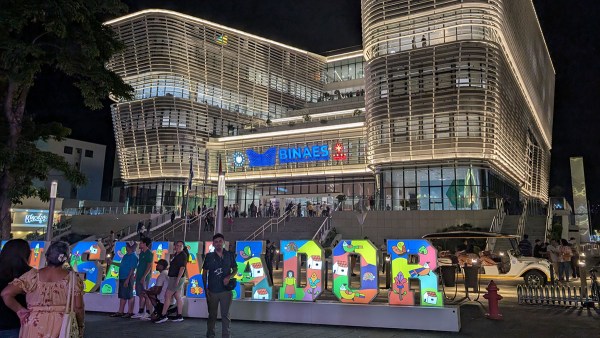
Pablo Eduardo Paredes Burgos, a Ph.D. student in Theater, Dance, and Performance Studies and a 2025-26 CLACS Graduate Affiliate, explores Bad Bunny's powerful homecoming at the 'No Me Quiero Ir de Aquí' residency, celebrating Puerto Rican pride and cultural roots.
The Time in Between: Children’s Experiences of Departing the U.S. and “Returning” to Mexico
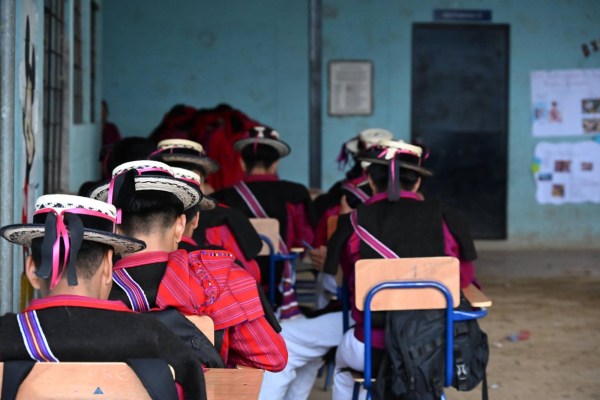
2025 Summer Dissertation Fellow Adriana P. Ramírez has spent years researching the experience of children who, after growing up in the United States, return to Mexico because of their or their parents' immigration status.
Repensando “El país de cuatro pisos” (1979) de José Luis González a través de la cultura musical puertorriqueña
Rodney Padovani, estudiante de doctorado de Música, aborda la metáfora de José Luis González sobre la cultura puertorriqueña y los cuatro "pisos". Raymond Torres-Santos le añade un quinto piso, tecnológico, que aborda la movilidad cultural y musical del país frente a las estructuras históricas de clase. Padovani examina tanto la metáfora original como su interpretación musical a través de una lectura crítica de la cultura musical puertorriqueña
“Let Delinquency Spiral!”: Debt Governance Among Low‑Income Homeowners in Brazil
Flávia Leite, a 2025–26 CLACS Graduate Affiliate, writes about her research on Brazil's public housing program Minha Casa Minha Vida (MCMV, My Home My Life). How do people in a program providing nearly free housing end up facing more debt and evictions?
Waiting for the Ark
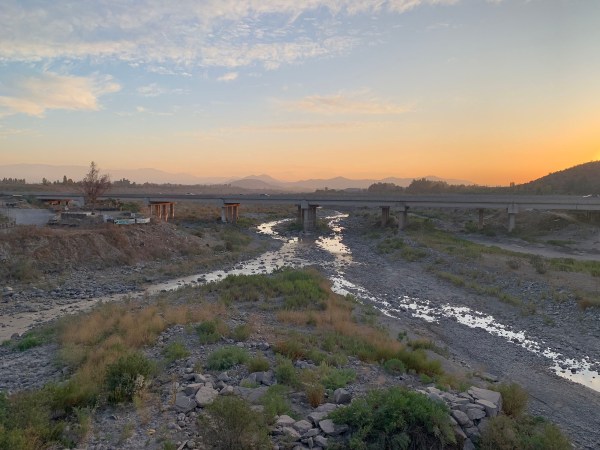
Anna Feign's research at the Walter Rodney National Archives in Guyana explores the intersections of extractivism and climate change. Promises that growth in the oil industry would fuel economic prosperity have gone unfulfilled, and the country's development has tended to serve the industry, rather than the other way around.
Dangerousness Across Borders: Criminology and Social Control in Brazil and Puerto Rico
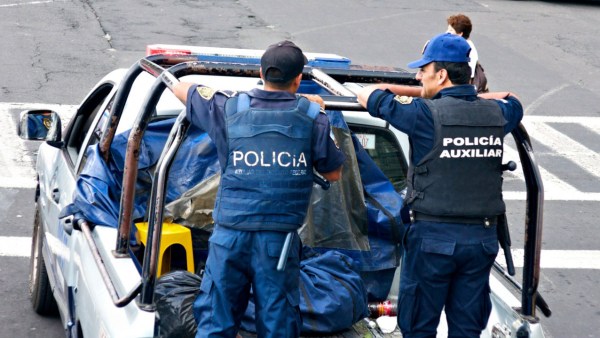
Carolina de Wit began her research in Brazil, looking at the intersection of medical, political, and legal policies trying to control populations that authorities deemed a threat, and found a similar phenomenon in the Caribbean.
Accessing Indigenous Knowledge
Greg Louden, CLACS Publications and Infrastructure Coordinator, works with the Coletivo de Tradutores Berkeley-Brasil to translate and publish Revista Pihhy, which highlights "Indigenous knowledge from Indigenous scholars." In July 2025, they traveled to central Brazil to visit the program which gave rise to the publication and the environment in which it is produced.
Reflecting on “Mujeres Haciendo Trabajo de Campo en America Latina”
Cristina S. Méndez reflects on a recent panel at the Latin American Studies Association Congress, where participants discussed the challenges faced by women doing field research in Latin America and the Caribbean.
Ella me enseñó trova, yo aprendí sobre la revolución y educación
Rafa Meza Duriez revisita la Campaña de Alfabetización de Nicaragua a través del legado de su madre para ofrecer un homenaje al amor maternal, la música folclórica latinoamericana y el poder silencioso de la lucha intergeneracional.
She Taught Me Trova, I Learned About the Revolution and Education
Rafa Meza Duriez revisits the Nicaraguan Literacy Campaign through his mother's legacy to offer a tribute to maternal love, Latin American folk music, and the quiet power of intergenerational struggle.