
By Carolina Wanderley Van Parys de Wit
What does it mean for a society to consider someone “dangerous”? In the first half of the twentieth century, Brazil’s answer to that question was shaped by a concept known as periculosidade (dangerousness). More than a legal category, it became a medical, juridical, and political tool that allowed the state to intervene not only when individuals broke the law, but also when they were considered in danger of becoming a criminal. My research examines how this notion, rooted in positivist criminology, justified the surveillance and confinement of people deemed threats to society, especially those coming out of working-class and racialized youth.

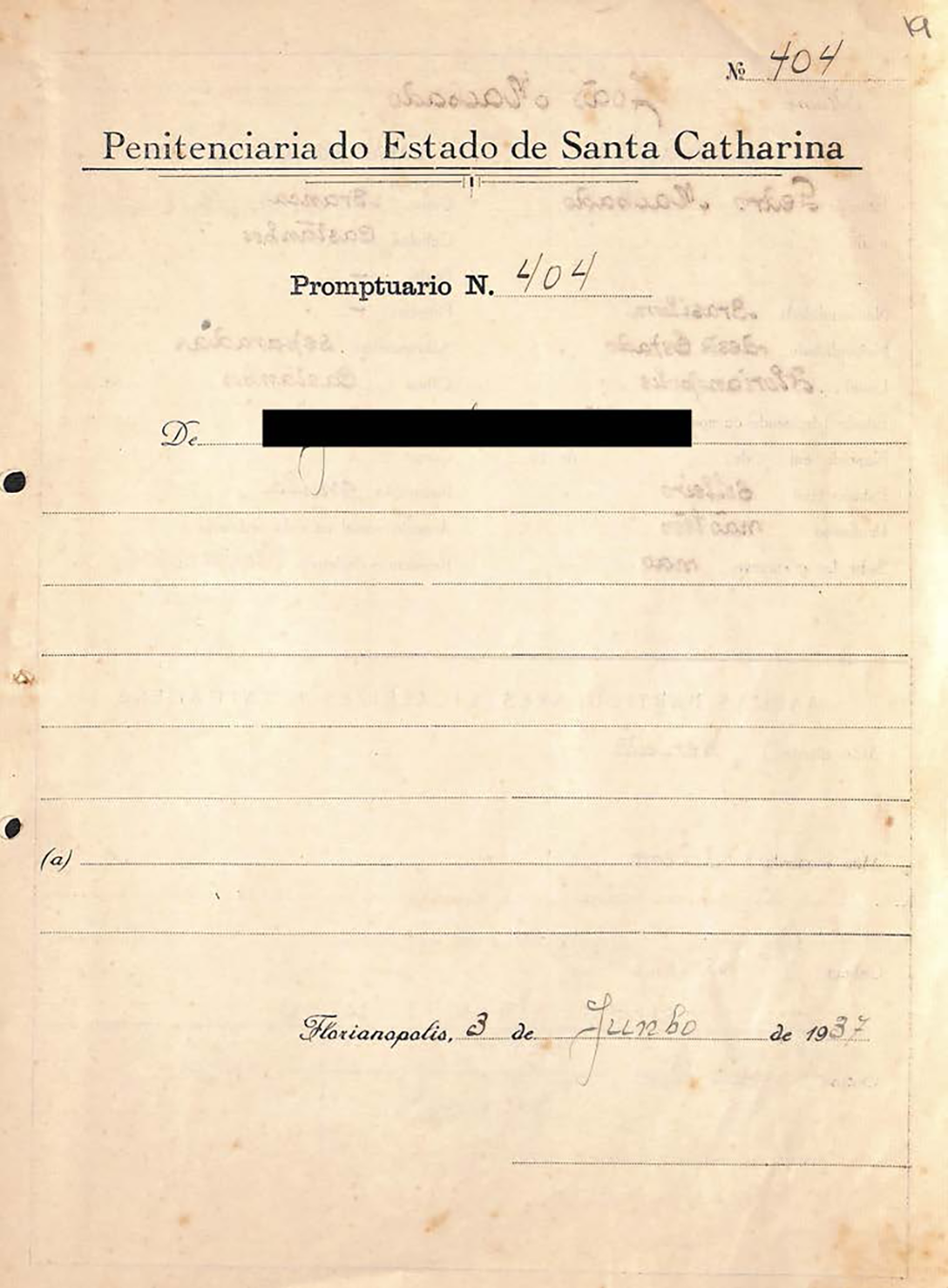

I originally planned a research trip to Brazil to consult archives that hold vital records of this history. By studying the prison files of incarcerated minors, psychiatric evaluations, and the writings of leading criminologists, I intended to trace how law and medicine merged into a system of control. But as is often the case with historical research, unforeseen circumstances intervene. Due to uncertainties surrounding international travel, I made the difficult decision to pause on-site archival work in Brazil and redirected my efforts, adapting the project without losing sight of its core questions.
Remote Research, Unexpected Breakthroughs
Instead of traveling, I hired three research assistants in Florianópolis, Brazil: Juliana Couto Becker, Fabiana Powarczuk Silva, and Iasmim Eger Sasso, all members of the Projeto Arquivos Marginais (Marginal Archives Project). The Project is a Brazilian initiative dedicated to preserving and disseminating documents related to institutions of social control. These assistants digitized 197 juvenile prison files from the archive of the Santa Catarina State Prison. The documents contain personal histories of teenagers labeled as “in conflict with the law” between 1930 and 1963. Through them, I began to build a database of inmates, covering their backgrounds, judicial decisions, and medical assessments, data that sheds light on how the Brazilian state defined, tracked, surveilled, and punished “dangerous” youth.
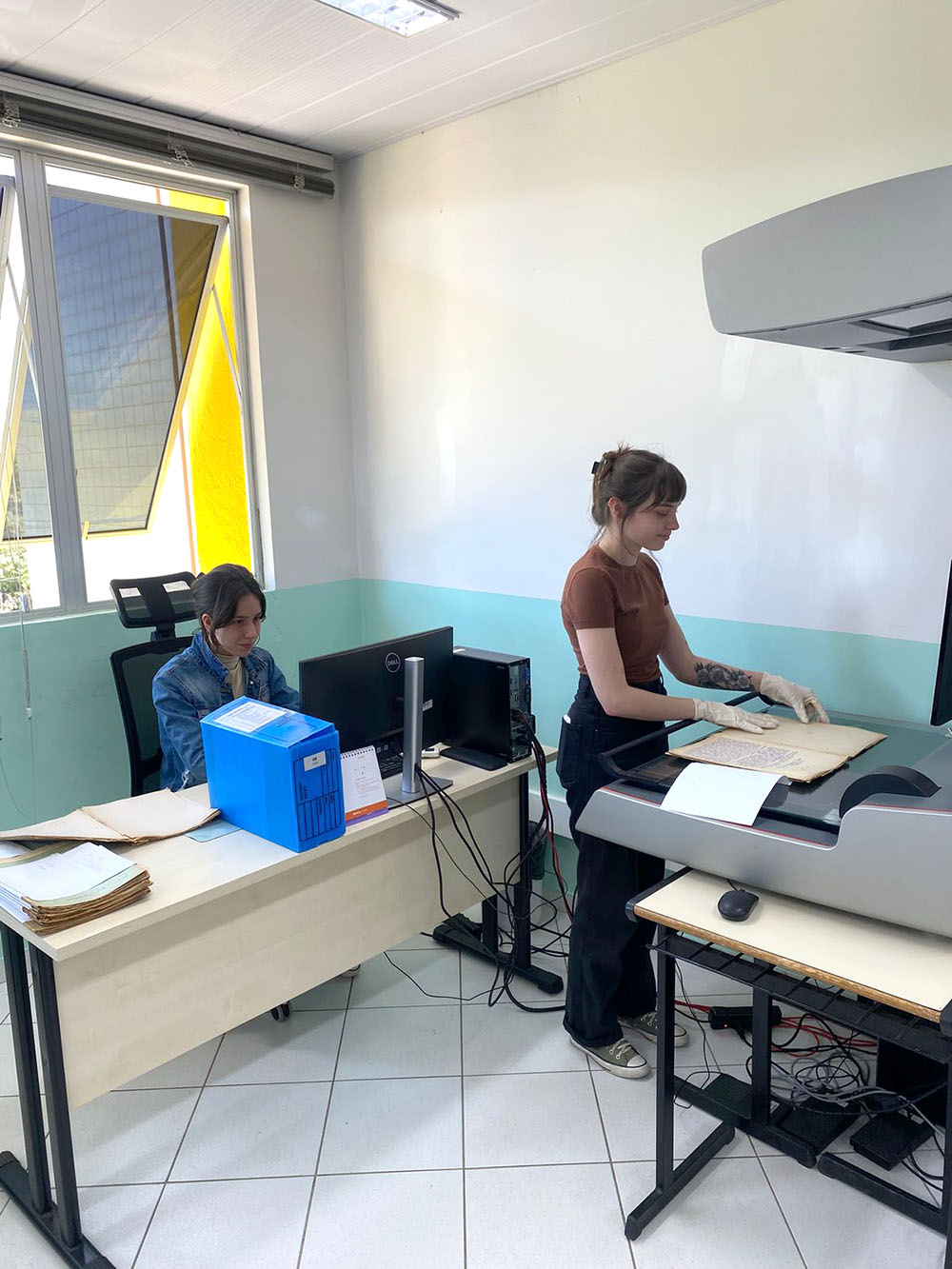

These digitized records are not just useful for my own research. They will also become part of the Arquivos Marginais, making these sources more widely accessible to scholars across Brazil and beyond.
Expanding the Frame: From Brazil to Puerto Rico
Archival work is never a straight line. As I worked through these Brazilian sources, I felt compelled to broaden the project’s scope. A lingering question kept surfacing: how did similar categories of “dangerousness” and deviance circulate across Latin America? What would happen if I compared Brazil’s experience to another context shaped by racial hierarchies and nation-building projects?

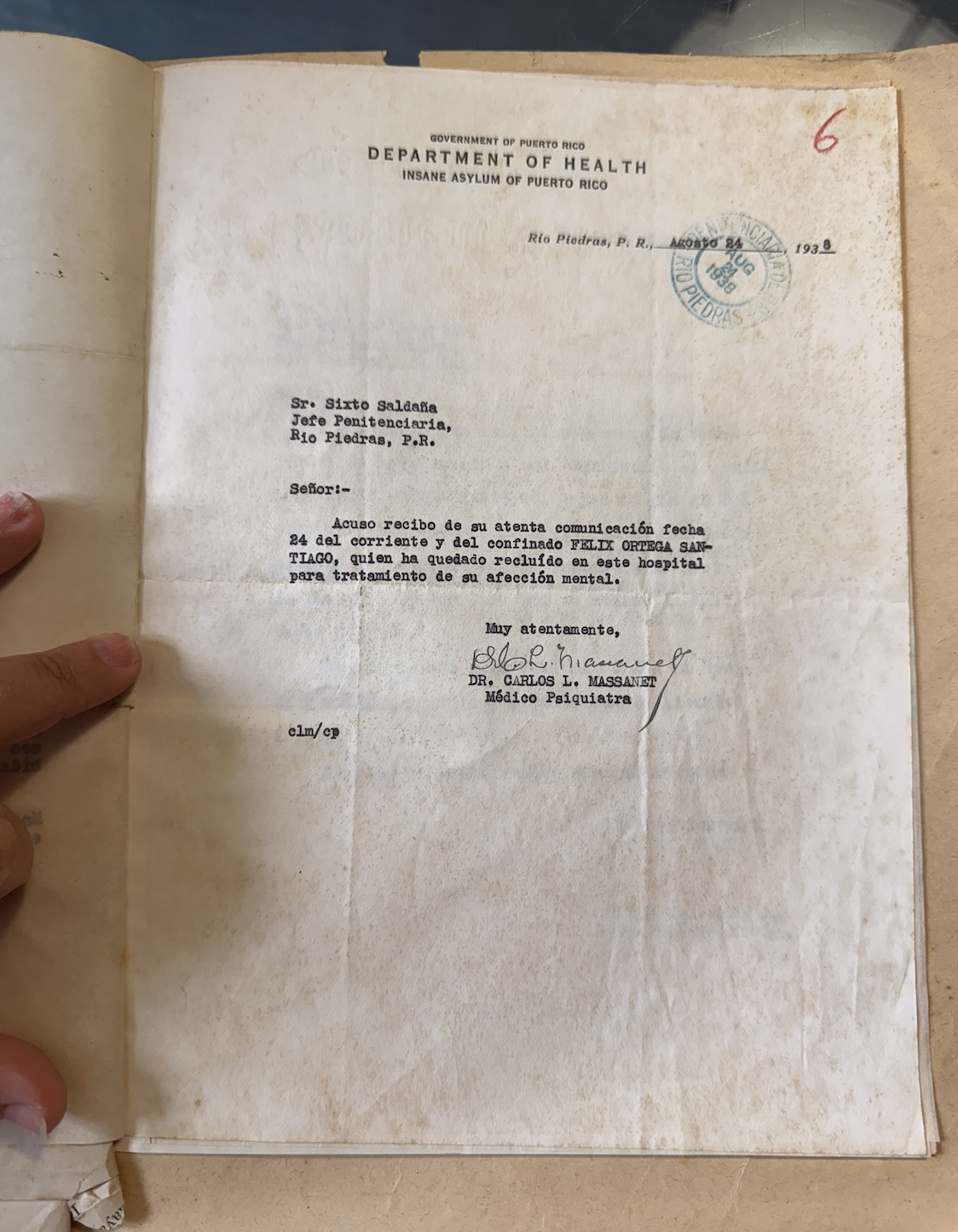
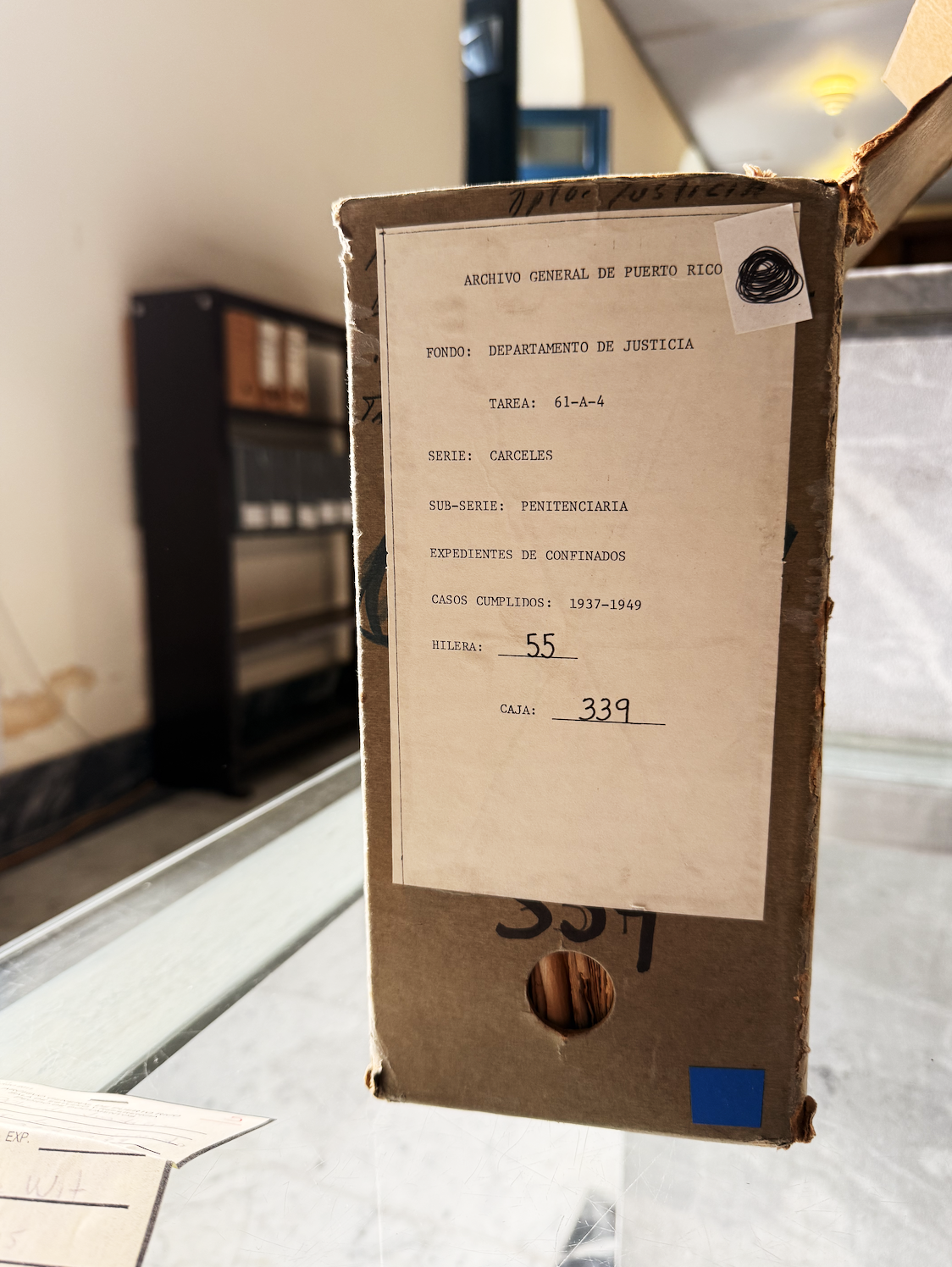
Like Brazil, Puerto Rico built a national identity around ideals of racial harmony, even though racial inequalities structured everyday life. In both places, the state deployed medicalized and criminological frameworks to address crime and discipline populations.Those parallels encouraged me to reshape my budget and plans. In addition to remote research in Brazil, I traveled to conduct archival research at the Archivo y Biblioteca General de Puerto Rico. There, I examined police and prison identification cards that reveal how the Puerto Rican state, in coordination with U.S. authorities, developed practices of surveillance and classification for those deemed socially dangerous.
A work-in-progress: from eugenics to dangerousness
In earlier research, my focus was primarily on understanding the development of eugenics in Brazil. However, while working with the Santa Catarina State Prison files, I repeatedly encountered the concept of periculosidade, which shifted my attention toward tracing the genealogy of this category, where it first appeared, how it was used, and in what ways the Brazilian state mobilized it in relation to both eugenics and social control. I began to understand that “dangerousness” was not simply a legal category used to assess criminal threat, but also a medical one. It emerged from medical-legal discourse, where doctors and judges alike evaluated individuals’ potential for crime. Thus, non-normative behaviors, ranging from small disruptions in social norms, sexual deviance, mental illness, and others, were pathologized by physicians, some of whom even advocated for the creation of a “moral orthopedics” section within prisons to correct these perceived abnormalities and behaviors. In this way, I was able to expand my analysis beyond the legal sphere to examine how criminality was redefined as a medical and public health concern, reflecting broader anxieties about national degeneration and social hygiene.

Looking Ahead
Archival detours can be frustrating, but they can also open new doors. My initial disappointment at having to delay research in Brazil ultimately led to an expansion of the project’s scope. Today, I am not only cataloging how “dangerousness” was used in Brazilian law and medicine but also exploring how similar frameworks emerged transnationally. Together, these cases reveal a broader story of how states in Latin America built surveillance regimes under the guise of science and public health.
The history of crime and punishment in Brazil cannot be understood without situating it within larger networks of ideas and practices that shaped the hemisphere. My archival findings, born of both necessity and adaptation, will help better comprehend that history and pattern of actions by Latin America countries.
Research supported by a 2025 Tinker Field Research Grant

Carolina de Wit is a Ph.D. student in the Department of History at UC Berkeley. Her research focuses on the history of deviance, crime, and punishment in Latin America. Her work aims to explore the intersection of medical science, criminology, and social control in Brazil, focusing on how deviant behavior was pathologized to justify state interventions. She is actively involved in the Marginal Archives Project and in histories of prisons and abolitionist movements.

Leave a Reply