
By Carolina de Wit
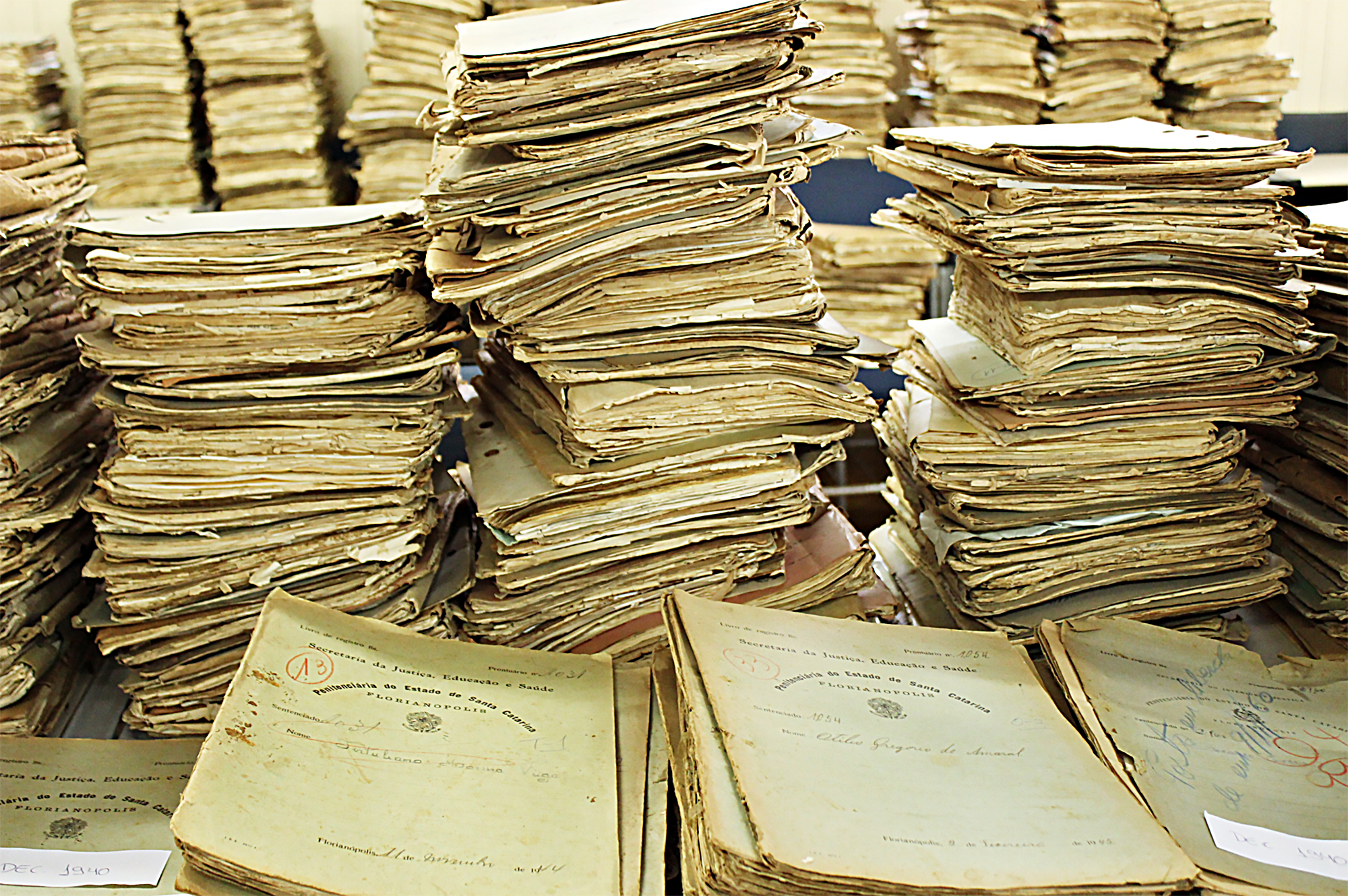
There is something colossal and unsettling about working with archives that document the lives of ordinary people. These archives retell the stories of individuals who come from the margins, from the bottom, obscure lives that are often thought of and seen as subalterns — people whose marks on history are usually only registered due to the shock of power. The French historian Arlette Farge (2013) argues it is colossal because of the volume of sources. However, it is also unsettling because even though judicial archives are abundant, they are only small fragments. Sparks of people and their lives appear in historical sources for a moment, only to vanish, leaving no other trace behind. The judicial archives are compiled bodies that store the history of surveillance, security, and circulation — sources produced by and for the state and the ruling classes. These documents were never intended for outside eyes. Records that were made by the police, the courts, and the institutions of sequestration for social control, to produce knowledge, and to exercise power.
If it is true that the judicial archives hold sources of control and power, it is also true that they have bodies, lives, and small glimpses of the past. At the same time, they are documenting to apprehend, detain, and gain knowledge. And although the goal of the documentation stored at judicial archives is of surveillance and governing the population, these archives also are documenting the daily life of ordinary people; the archives retain their voices, actions, memories, and feelings.
In Lives of Infamous Men, Michel Foucault (1977) argues that through judicial archives, historians can find traces and excerpts of peoples that through a period of their existence had contact, shocks, and were apprehended by the power. Thus, it is a source that documents histories of beauty and horror. These lives were destined to leave no trace behind, they were obscure, without ever meeting glory, fame, or national recognition, but that in the deviance, in subverting the norms, in challenging or going against the power, and at times by merely existing, were apprehended by the power and subscribed in the archives of history. Thus, when historians work with such sources, they see their possibilities as both endless and limited.
Despite these lacunar characteristics, it is possible to obtain information that contributes to debates about incarceration, criminality, and the daily lives of people. The prison records allow for studying the institution’s structure and administration and how it dealt with the individuals allocated therein. By recording various moments of the prisoners’ carceral trajectory, it is possible to find traces of their social environment and personal vestiges, such as letters sent and received, writings about their daily lives, pardon pleas, requests to go out on parole, and more. It thus allows for the analysis of aspects beyond discourse propagated by political elites, laws, and the ideal functioning of an institution, enabling the observation of imperfections, change over time, daily practices, personal lives, and institutional trajectories of those incarcerated.

The shreds created by the documentation allow for analysis of these lives: their family life, where they worked before prison, their literacy, where they lived, in which neighborhood, who spoke on their behalf during the trials, to what social class did they belong, and other aspects of their daily lives. Therefore, despite being an institutional source, it is also a personal documentation. The prison record comprises various documents unified into a single dossier. It is created exclusively for each individual who enters the institution, aiming to produce specific knowledge about these lives and manage them better. Thus, the researcher must pay attention to the documents attached to them, perceiving what is missing, the vestiges, and institutional practices that often are self-regulated.
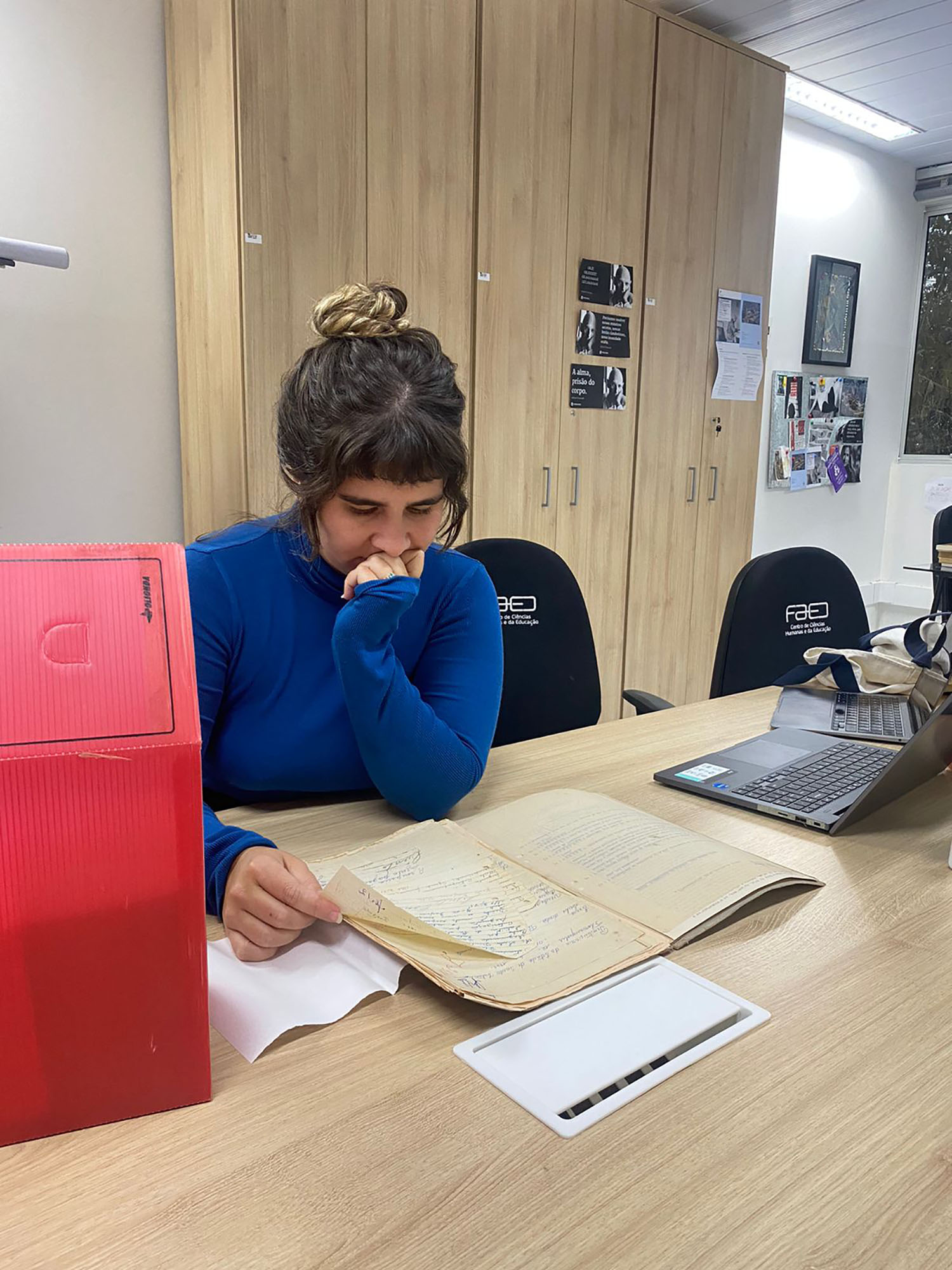

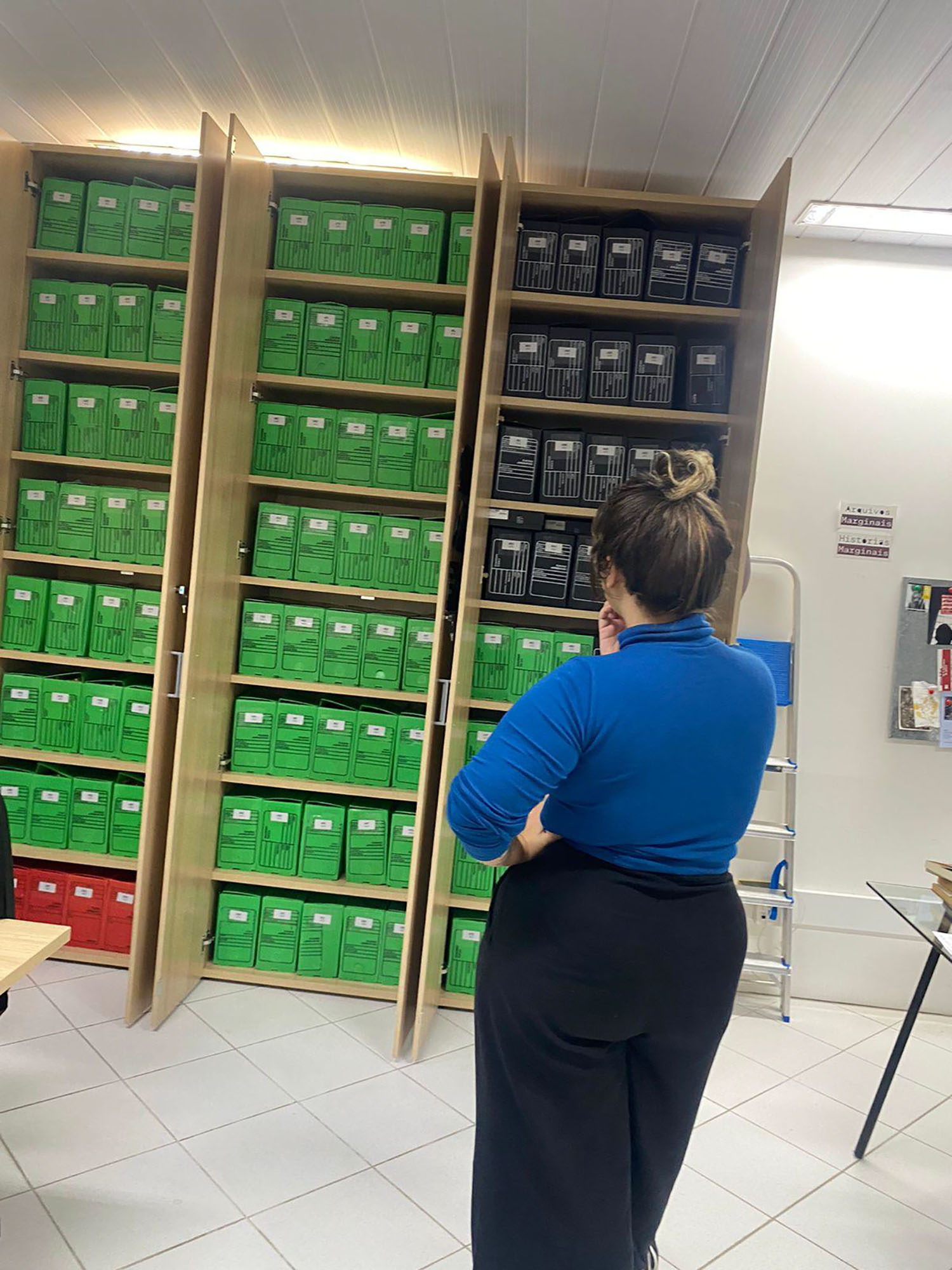
Much of my time in Brazil was spent immersed in the archives, poring over documents that revealed more than just the surveillance tactics employed by the state. These records provided a window into the intertwining of law and medicine in the detention and study of prisoners. But they also allowed me to trace the lives of these individuals: Who were they? What jobs did they hold? Did they move frequently? How did they form their families?
I was particularly interested in understanding how the state perceived them and their roles in the nation’s development. My research delved into how the newly formed Brazilian Republic (1899-1930) navigated the complex intersections of race, gender, and criminality, and how the political and academic elites played a part in this effort to control the population.
Recognizing the strengths and weaknesses of these sources, I explored additional archives to find primary materials that could deepen my understanding of these relationships. At the Fundação Biblioteca Nacional (National Library Foundation) in Rio de Janeiro, I discovered Vida Policial, a newspaper that served as a police manual for the Brazilian Republic. It covered a range of topics, from the role and functions of the police force to discussions about crime, criminality, eugenics, and the perceived dangers criminals posed to the nation’s future. In the Arquivo Nacional do Brasil (AN, National Archive of Brazil) in Rio de Janeiro, I uncovered rare books, written by Brazilian doctors and lawyers, that debated how the state should manage marginalized groups, and the role of prisons and police in controlling, surveilling, and ensuring the development of a “clean and healthy” nation.

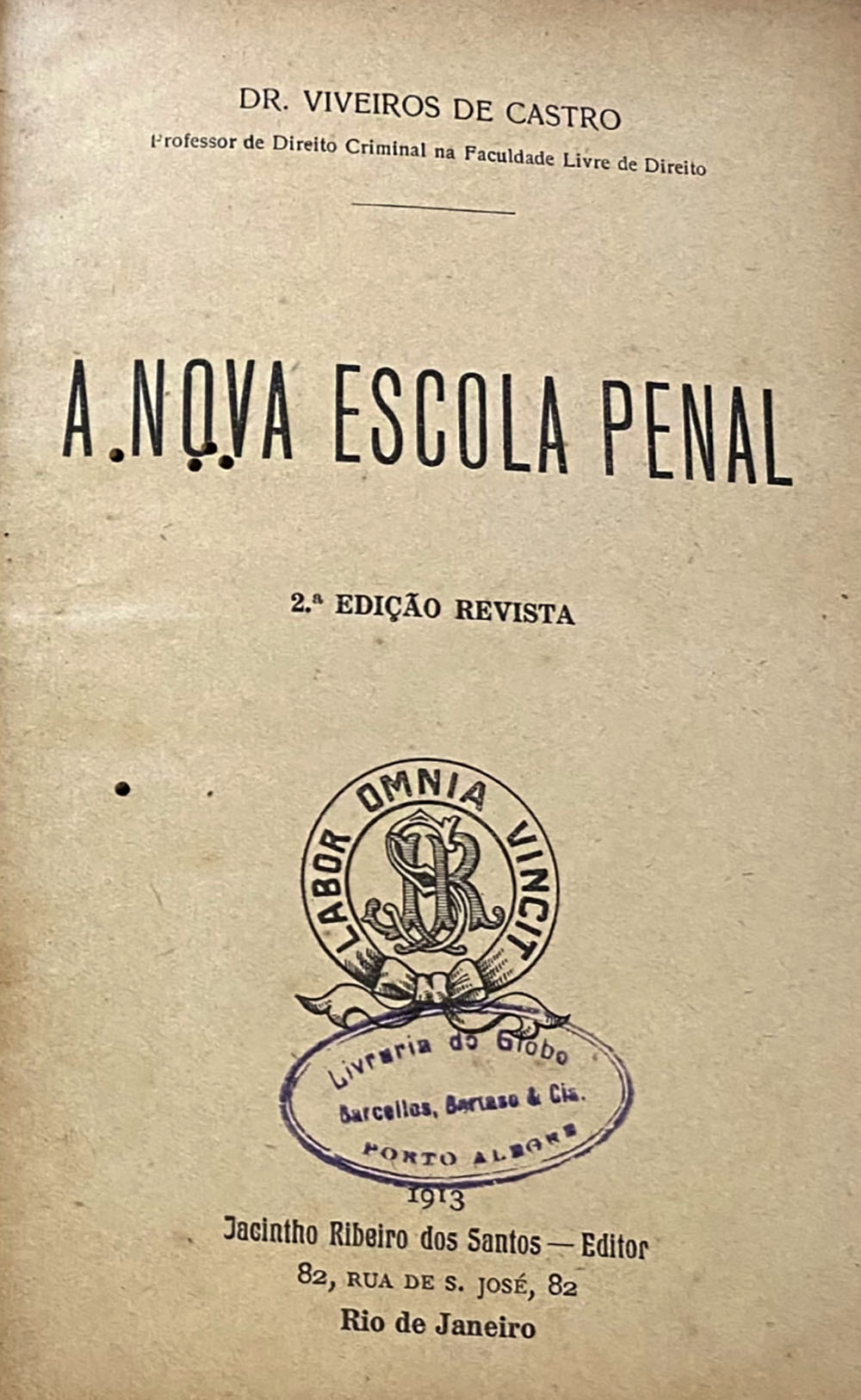
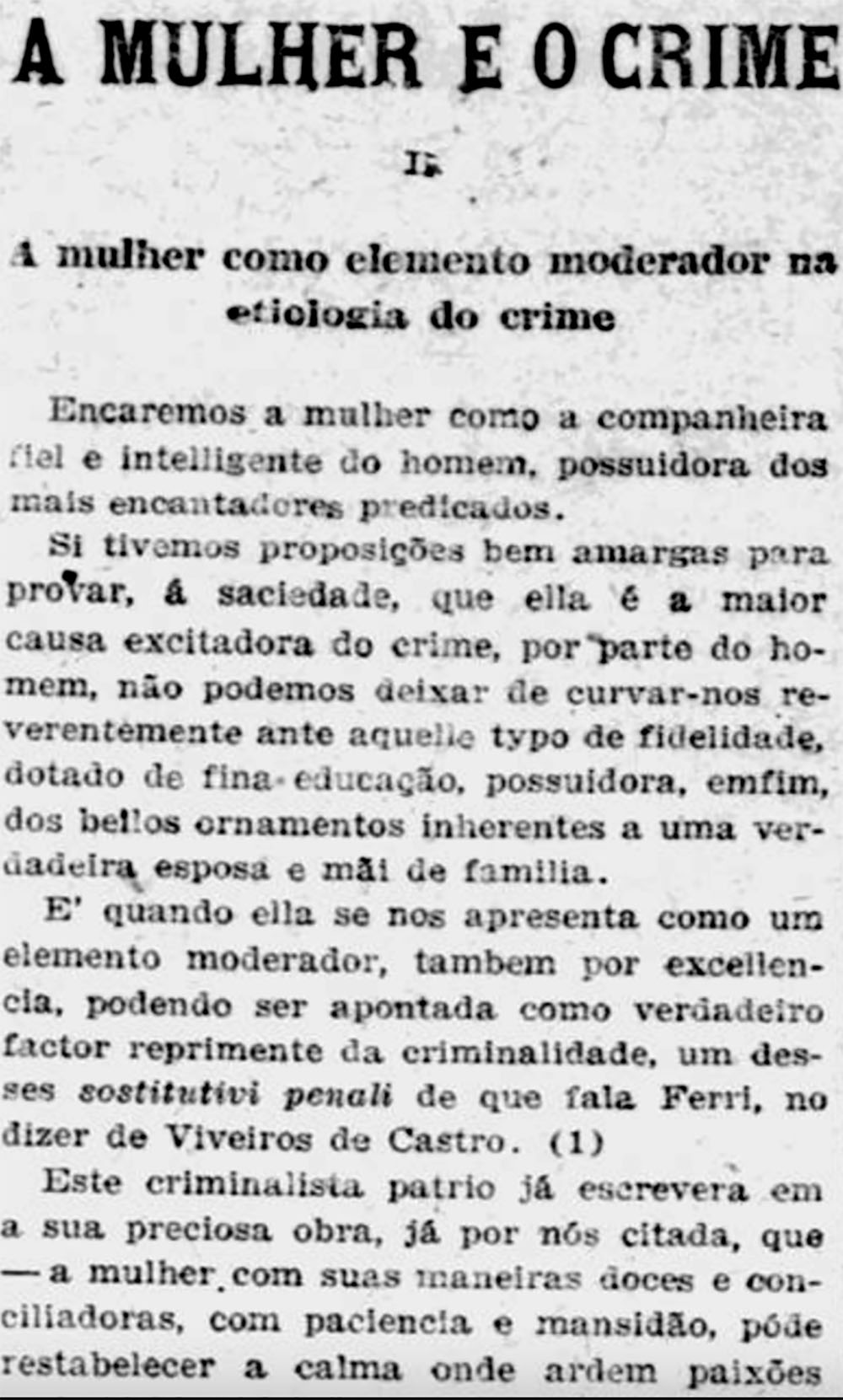
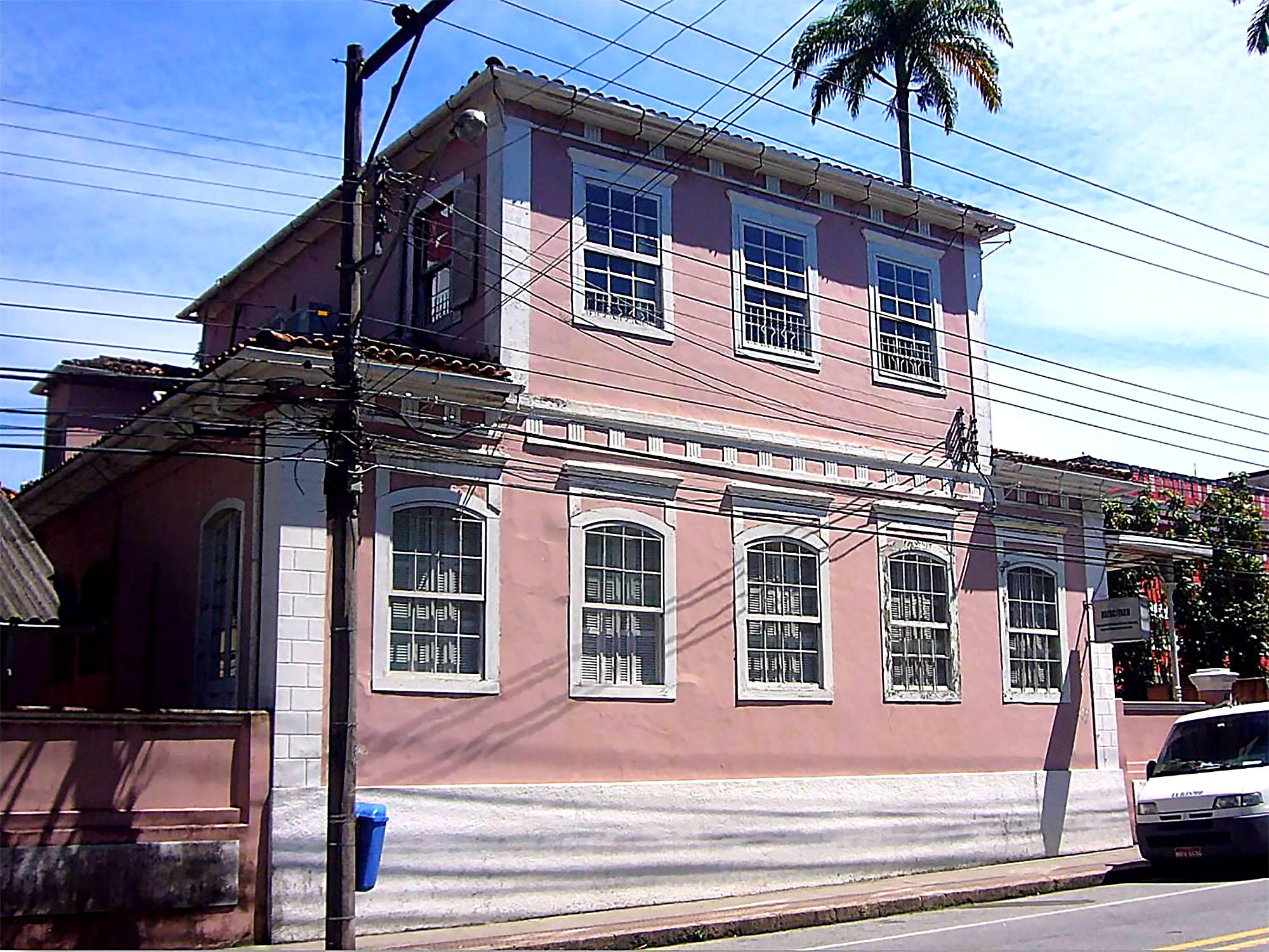
During my time in Brazil, I not only immersed myself in the prison archives but also mapped out additional archives that could contribute significantly to my research. Beyond my archival research, I had the privilege of engaging with Brazilian historians. I served on the undergraduate thesis committee for Maria Eduarda Delgado’s insightful work, Prisões e Patrimônios Difíceis: Uma Leitura Sobre A Penitenciária De Florianópolis/SC Prisons and Difficult Heritage: A Study of the Penitentiary of Florianópolis/SC), alongside esteemed scholars Dr. Reinaldo Lohn, Dr. Gabriela Lopes Batista, and Dr. Filipe N. Silva. This journey allowed me to uncover a wealth of information about the intersections of criminality, race, and gender in Brazil’s history.


Carolina de Wit is a Ph.D. student in History at UC Berkeley. Her research focuses on the history of deviance, crime, and punishment in Latin America. Her work aims to explore the intersection of medical science, criminology, and social control in Brazil, focusing on how deviant behavior was pathologized to justify state interventions. She is actively involved in the Marginal Archives Project and in history of prisons and abolitionist movements.
References
Farge, Arlette. The Allure of the Archives. Yale University Press, 2013.
Foucault, M. Lives of Infamous Men (1977), in N. Luxon (Ed.), Archives of Infamy: Foucault on State Power in the Lives of Ordinary Citizens, pp. 67–84. University of Minnesota Press, 2019.
