
By Luíza Bastos Lages
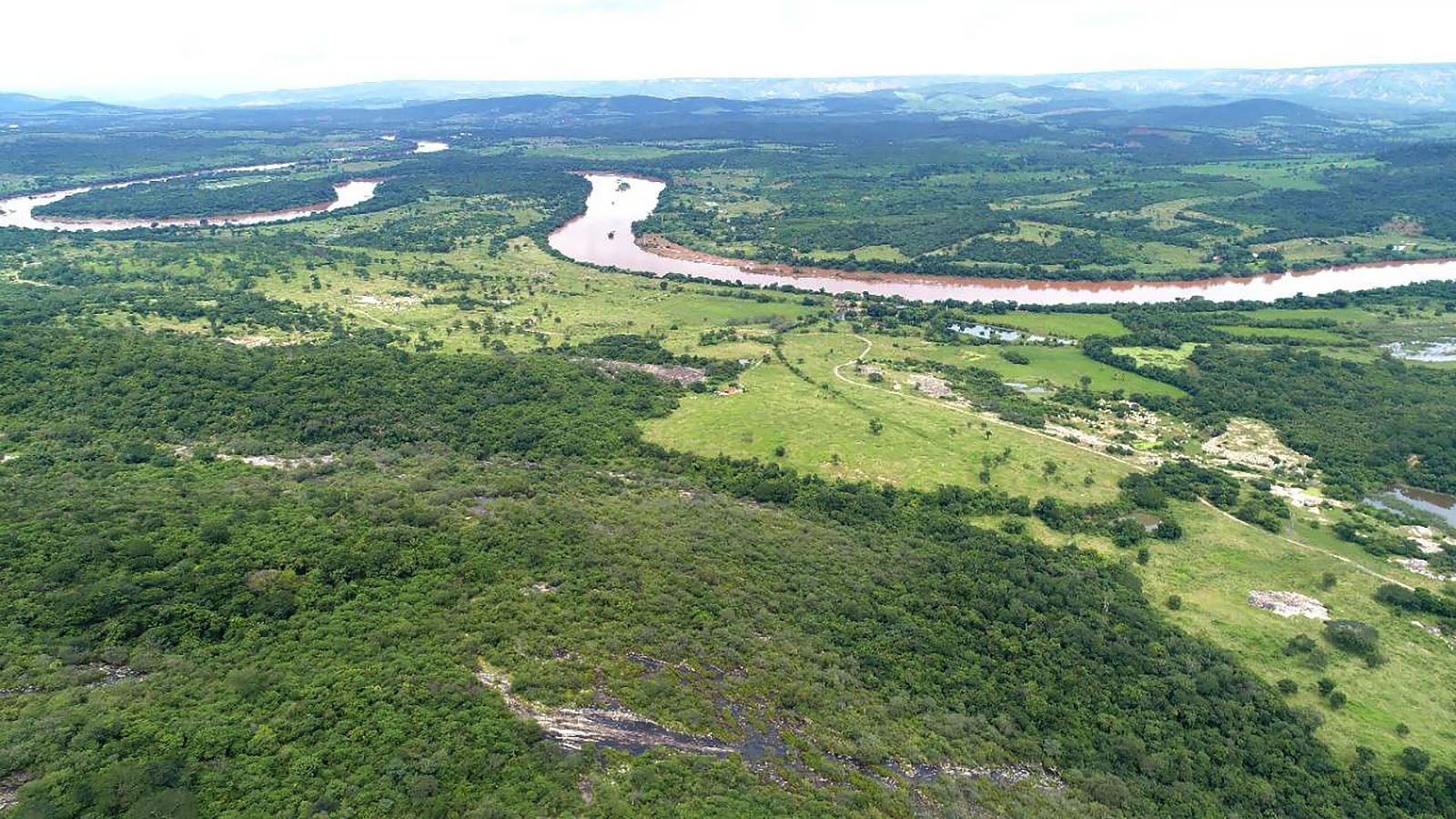
Indeed, filha da puta. Araçuaí, the town in which my father’s family has lived for generations, is inland in Brazil’s State of Minas Gerais, on the ancestral and unceded lands of the Borun and Aranãs Indigenous people. As I have personal ties to this region’s colonial history, it is important for me to say that I descend predominantly from colonizers, as well as from Indigenous and enslaved Africans who have been violently assimilated to colonial order and forced to gradually obscure their ethnic origins in order to conform to the mandates of colonial modernity.[1] Like other light-skinned Brazilians of mixed-ancestry, in Brazil I occupy the subject position of a white person and I continue to inherit symbolic and material benefits from a history of colonization and enslavement and a racially stratified world.
In my Ph.D. research, drawing from queer of color theory as well as Black and Indigenous feminisms from across the Americas, I consider the centrality of sexual violence against Black and Indigenous bodies for the institution of a racialized, colonial matrix of power and for its crystallization in the nationalist, white-supremacist ideology of mestiçagem — the myth of racial democracy, which remains the dominant mode of conceptualizing racial difference in Brazil. Sex is crucial when thinking about the ideology of mestiçagem given its reliance on biological racial mixture as a motive for non-hierarchical conviviality. Without de-exceptionalizing slavery, I consider the violence against Black and Indigenous bodies to analyze the racial triangulation that sustains the ideology of racial democracy in Brazil, in which whiteness consumes and excretes both blackness and indigeneity yet in particular, distinct, and interrelated ways. In this, I center the cultural production of Afro and Indigenous Brazilian artists to investigate their engagement with the knowledge claims and rhetoric of Western modernity. In my readings of these artworks, I take blackness and indigeneity as structural positions to interrogate the ways in which sex, gender, and sexuality have emerged as racial entanglements that undergird the myth of racial democracy in Brazil.
The settlement that originated Araçuaí began early in the 19th century, as the Vale do Jequitinhonha (Jequitinhonha River Valley) continued to be invaded by colonizers. At that time, a canoe of sex workers navigating the Jequitinhonha River moored at a recently established village, Barra do Pontal, nowadays named Itira, located at the intersection of two voluminous rivers, the Jequitinhonha and the Araçuaí. Barra do Pontal began as a small colonial village under the authority of the priest Carlos Pereira Freire de Moura, who had imagined this village to become an impeccable catholic settlement. The group of sex workers settled in Barra do Pontal, and their business prospered given the busy intersection of the two frequently navigated rivers. Some stories say the priest was a regular customer at the brothel, a customer who may have enjoyed the brothel’s services free of charge. In one of his chronicles titled Senhora do Mundo, Ronald Claver suggests that after a demand to pay the church’s tithe, Luciana Teixeira, a sex worker and the manager of the brothel, denied free services to Freire de Moura, who ended up expelling the brothel from Barra do Pontal. Claver’s chronicle likely engages with fabulation in his text — which does not mean that the priest’s visits to the brothel, in reality, never happened; it is impossible to know. Nonetheless, local oral histories affirm the sex workers were forced to leave Barra do Pontal, despite the unknown reasons for their expulsion. Luciana and her co-workers paddled their canoe up the Araçuaí River until they found another land on which to settle, again at a river’s crossing, this time the intersection of the Araçuaí and the Calhau. Their brothel became well-known among the many merchant traveling by canoe, and, with time, a settlement grew around it and became what we know today as the town of Araçuaí, while the priest’s impeccable catholic village decayed in commercial prosperity and importance.
This disputed history has yet another version in which Luciana was a merchant and farmer, not a sex worker, based on the intersection of the Araçuaí River and the Calhau stream, who welcomed the group of sex workers traveling up the Araçuaí River in her home after their expulsion from Barra do Pontal. The contested narratives co-exist in the imaginary and oral histories of the region, and regardless of the version, Luciana is regarded as a foundational figure.

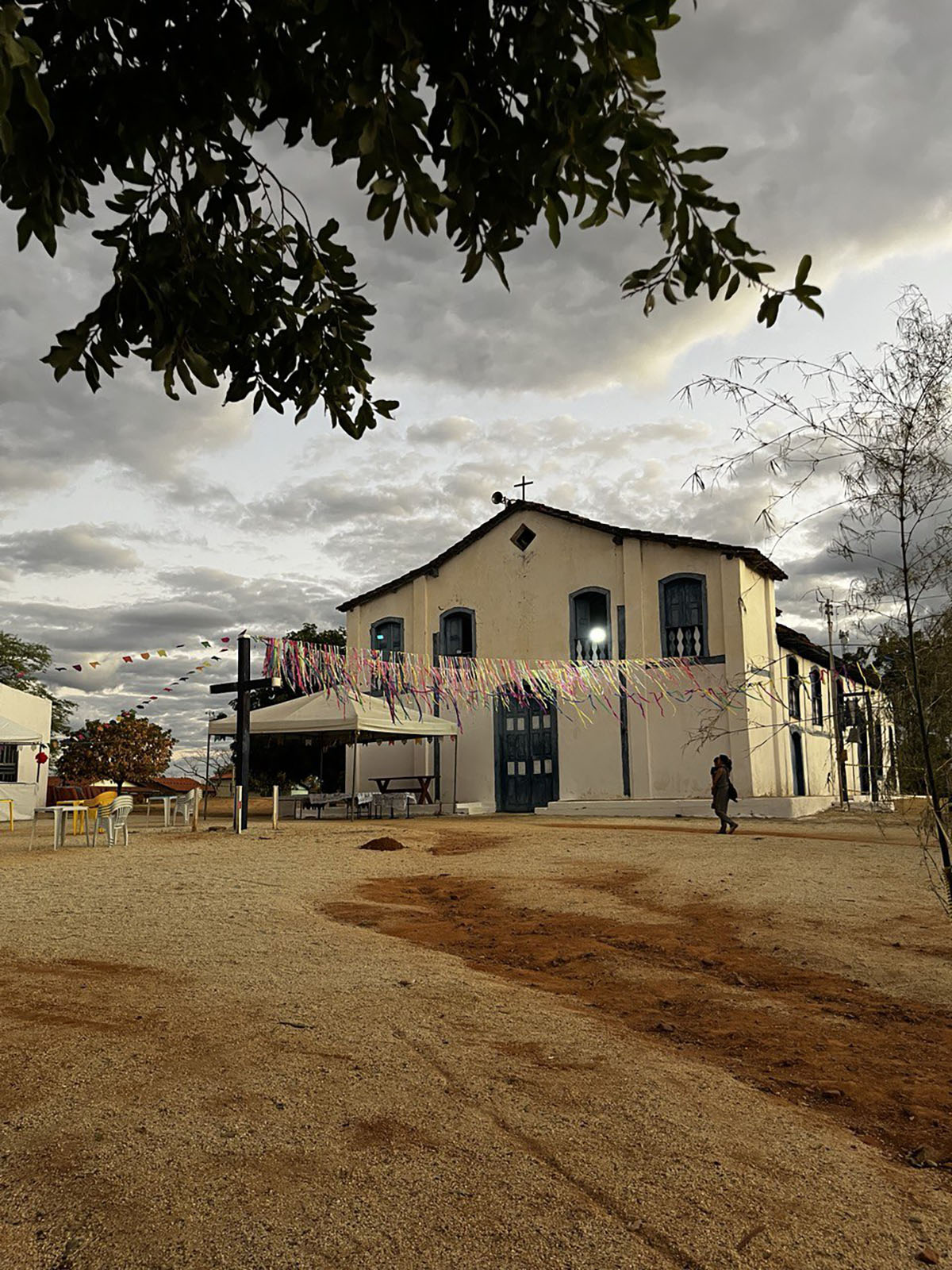
Over the past summer, I traveled to Araçuaí to learn more about its history, as well as that of Luciana and her anonymous coworkers. In addition to this historical interest, as a researcher of visual culture I hoped to visit Araçuaí to meet and interview Maria Lira Marques, a 79-year-old Afro-Indigenous contemporary artist who is part of a long line of self-taught artists in the region, and who has dedicated her life’s work to nurturing Vale do Jequitinhonha’s situated cultural production. Alongside the Dutch Franciscan Friar Francisco Van Der Poel, known as Friar Chico, who lived and worked in Araçuaí as a priest in the 1960s and 1970s, Lira Marques founded the Museu de Araçuaí, a self-organized museum that hosts a collection of objects and documents on the Vale’s local history, syncretic religious practices and traditions, and artworks by local artists.
Interviewing Lira Marques, visiting Araçuaí, its local museum and the museum’s archive, as well as talking to many local people were insightful experiences for my research. As an interdisciplinary Ethnic Studies scholar on the second year of my PhD, experimenting with different research methods such as archival work, semi-structured qualitative interviews, and my own immersion in the town’s environment was intended as an initial assessment of potential methods and sites of analysis for my upcoming dissertation work.
Upon my arrival, I first visited the Museu de Araçuaí to examine a collection of books written by Friar Chico which documented the research he and Maria Lira had done on the cultural practices of the region. I was also there to see the artworks by Maria Lira, Zefa, Seu Tião, Ulysses de Caraí, and Arioswaldo, among others. I was impressed with the substance of the museum, which began as a self-organized collection stored at auxiliary spaces of the main church in Araçuaí. In this first visit, I was lucky to be escorted by Renata, a local and experienced museum guide, who shared with two other visitors and me a thorough history and contextualization of the objects, documents, and artworks exhibited.

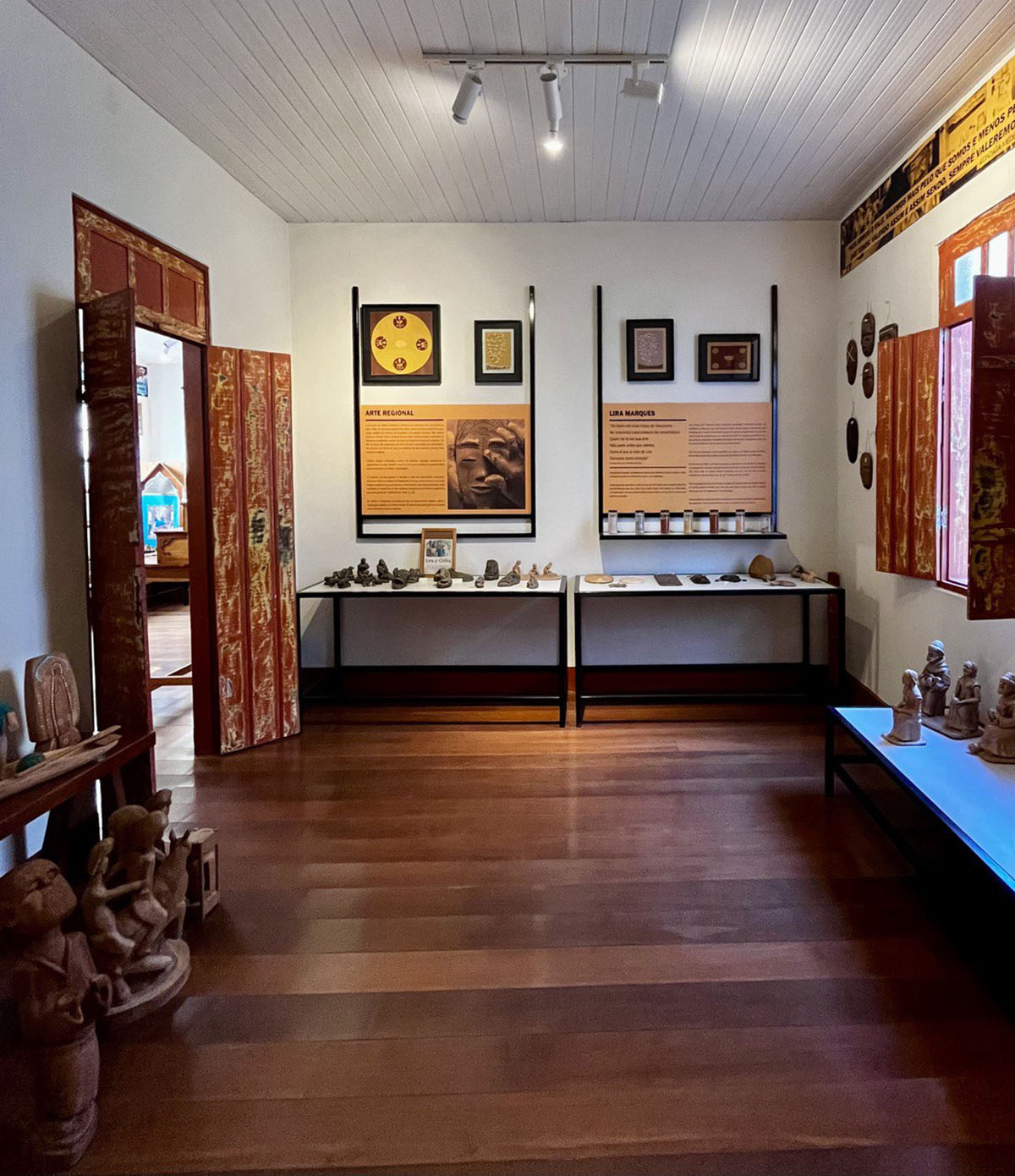
At the entrance hall of the museum, there were introductory texts that narrated the history of Araçuaí and Luciana Teixeira, as well as of the Indigenous peoples who are the ancestral stewards of that land. This was the first time I saw Luciana Teixeira being named with her full name: Luciana Teixeira Lages. That added last name, Lages, is also my last name. Coming across our potential lines of kinship, being filha da puta, and the disruptions of the legacy of a brothel in a religious context which upholds heteronormativity, white supremacy, as well as other modern colonial ideals of progress, was an amusing surprise.
On a second visit to the museum, Ângela Gomes Freire, a literature researcher who currently works there, told me that the last name Lages was given back to Luciana after Friar Chico found her parochial documents in his church. In those documents, he noticed that she was registered with two last names, Teixeira and Lages. Ângela showed me Friar Chico’s book O Rosário dos Homens Pretos (The Rosary of the Black Men), where this story is told. Apparently, soon after Friar Chico’s encounter with Luciana’s documents, a heavy flood swept over the town. Floods are a usual occurrence during the summer months, however, the one of 1979 was particularly destructive, leaving many unhoused and wiping out the majority of people’s belongings. The church was also significantly damaged and lost its archive, including Luciana’s documents. While I am personally curious about our potential familial connection, I am interested in researching this history to uncover the erased histories of Luciana and of her anonymous coworkers who also birthed Araçuaí. Who were these sex workers? Where did they come from? How did they live and how did they work sex amidst a violent historical unfolding of colonial dispossession and enslavement? How did they experience racial subjugation as well as gender violence? Were they all cis women? Were any of them enslaved and forced to work sex for the profit of their masters? Or did any of them come from the dispossessed Indigenous communities of the region, forced under catechization in the many aldeamentos (missions for christianization)? As the institution of racial hierarchies in Brazil was heavily predicated on sexual violence, I wonder how the histories of these sex workers speak to a broader history of the formation of Brazil.
As Ângela shared with me, local entities such as the catholic church have historically contested and attempted to erase Luciana’s history as a sex worker, offering a different narrative of Araçuaí’s beginning. Friar Chico himself, in his book Rosário dos Homens Pretos claims Luciana’s property to be “um local de pessoal religioso, ordeiro e direito,” a place of religious, orderly, and righteous people, implying that sex work was not done there. An affirmation that is at once classed, racialized, as well as sexually and gender normative, though Luciana was not white and oral histories claim that she did not fall under normative sexual or gender prescriptions.
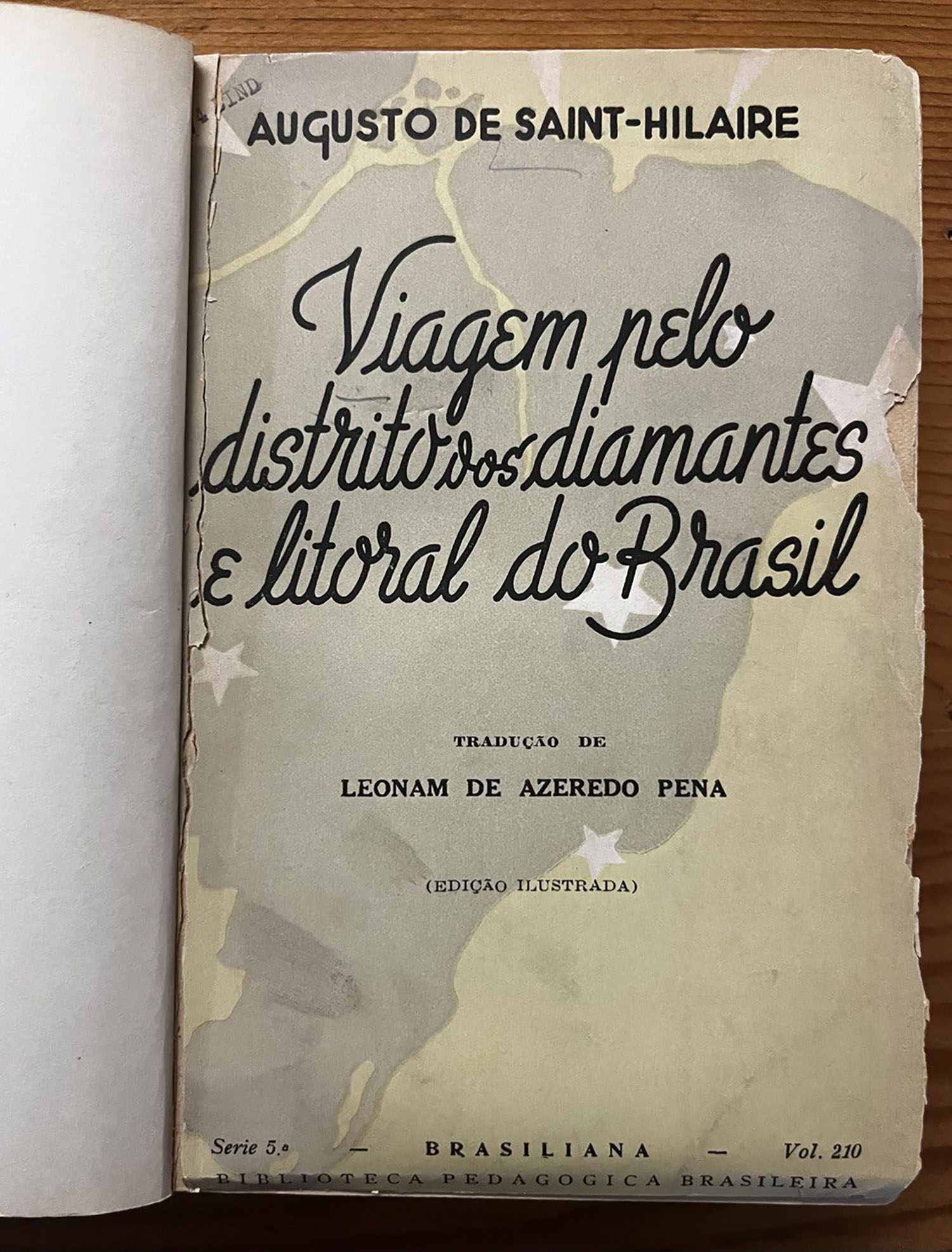
As much as Luciana has a vigorous presence in the local imaginary and the oral histories of the region, so-called accredited historical sources have also written about her. She is mentioned in one of the travel diaries written by Auguste de Saint-Hilaire, a French botanist who undertook a few research expeditions throughout Brazil in the early 19th century, including the sertões (backlands) of Minas Gerais and the Distrito dos Diamantes (Diamond Township), when he visited Araçuaí. In his book, Viagens Pelas Províncias do Rio de Janeiro e Minas Gerais (Travels Through the Provinces of Rio de Janeiro and Minas Gerais), Saint-Hilaire describes his stay at Luciana’s property on the day of Pentecost, for which religious leaders came to celebrate a mass. He does not describe it as a brothel, but as a boarding house named Boa Vista. He portrays Luciana as an independent mulata and a generous host, who did not charge him for his stay nor for feeding his animals, but instead asked him for paper for which she offered payment. Saint-Hilaire may not have wanted to overtly state in his research reports that he had stayed in a brothel during his travels. Nonetheless, his mention of Luciana on her knees stroking his legs upon his arrival is quite suggestive of his whereabouts.
As part of my analysis of the erotics of power in the racial formation of Brazil, I investigate the ways in which contemporary artworks contest the narratives of racial democracy, as well as the ways in which these artworks articulate possibilities for otherwise worlds, disrupting modern colonial determinations of being. To begin exploring this part of my research, I undertook a semi-structured, in-person, filmed interview with Maria Lira Marques. Lira received me and my cousin Ana Cristina (who is Lira’s friend and neighbor), in her home in Araçuaí. Lira shared with us rich details and stories about her practice and trajectory as an artist; she spoke about her sculptures and paintings as creations that come from a very intimate and personal realm, from her imagination of living beings that inhabit the Vale. Both for her sculptures and paintings, Lira works with clay and soil she collects from the region, as well as from roadsides of many trips she undertook with Friar Chico.
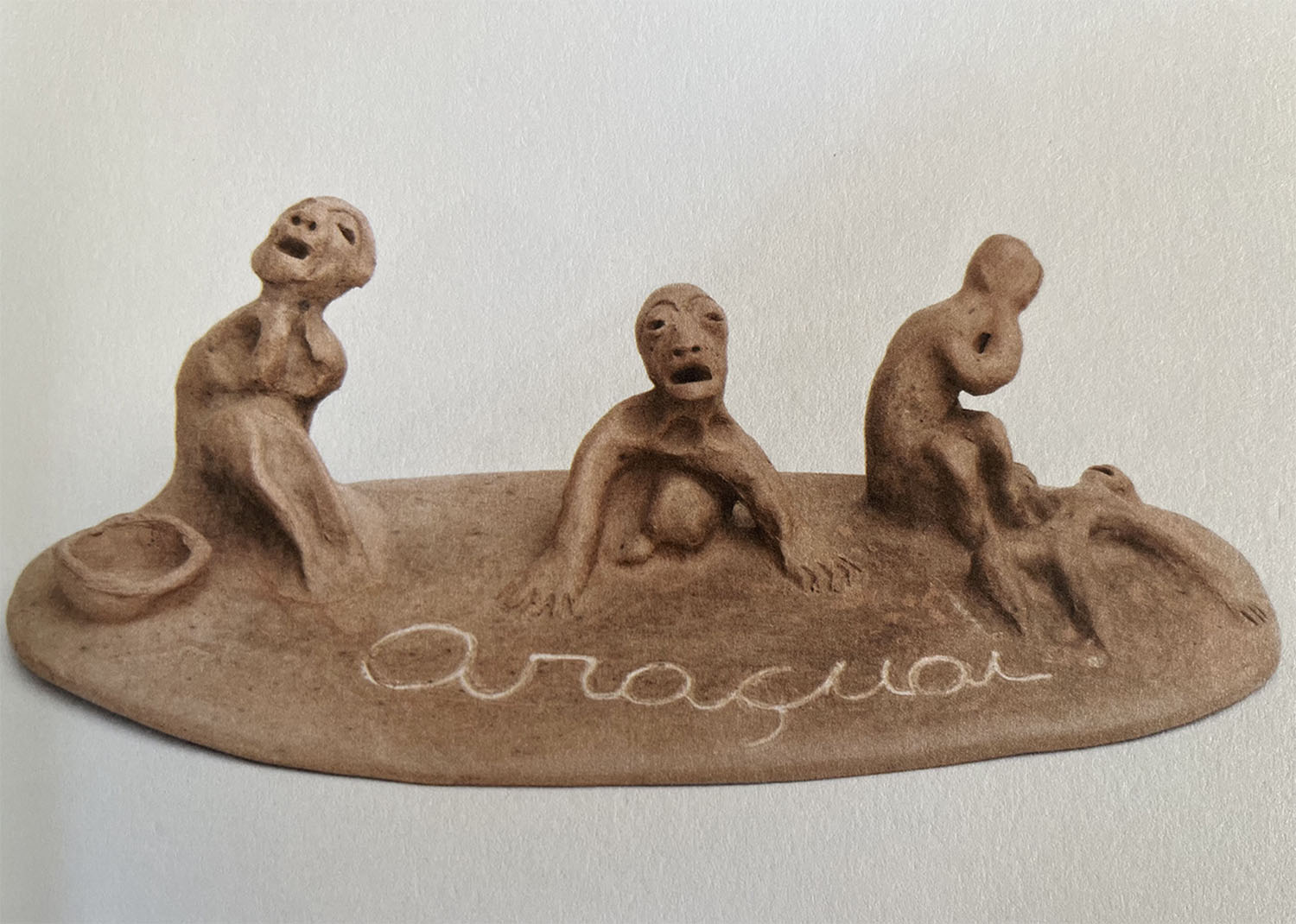
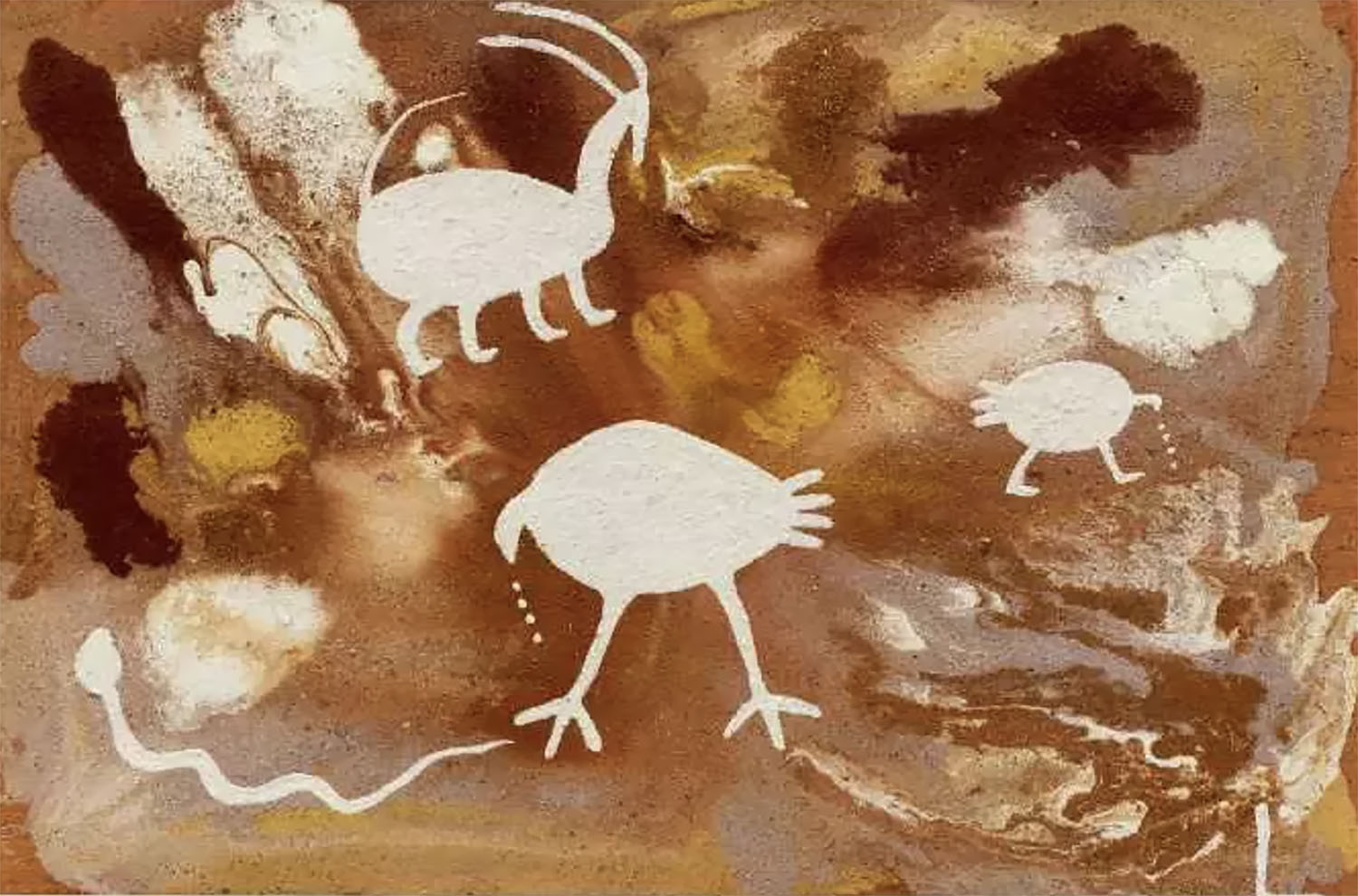
For an artist with international recognition, Lira walked an unusual path, defying Western epistemic hierarchies and the norms of art institutions. She was not trained in a fine arts academy; she learned how to work with clay with her mother, Odília Borges Nogueira, who used to build nativity scenes in raw clay to distribute to her neighbors. Later, Lira learned from Joana Poteira techniques for extracting and baking clay. She says she was very observant and curious and would consistently ask artisans in the central market to teach her new ways of working. As Lira developed her own work as an artist, she first exhibited her work in regional craft fairs that showed the traditional and local crafts from different regions of Minas Gerais. Meanwhile, she worked with Friar Chico on an extensive research project about local traditional songs and religious practices, which fed the work they led together at the chorus Trovadores do Vale (Troubadours of the Valley). Those projects both contributed to the founding of the Museu de Araçuaí.
Along her trajectory, Friar Chico was a key figure, who introduced Lira to curators and researchers who organized museum exhibitions of her work in Belo Horizonte, Rio de Janeiro, and São Paulo. Lira and I also spoke about the hierarchies imposed by art institutions on what is considered art and what is considered craft, given that she first began exhibiting her works in regional craft fairs. In this regard, she spoke about perceiving her presence in art galleries, museums, and other institutional spaces as that of an outsider, one with a different trajectory and background than most. This clearly speaks to the classed, racial, and geographical divides that remain structural to art institutions at large, and in particular to art institutions in Brazil.
As the founder of Museu de Araçuaí, a prominent artist, and a knowledgeable person about the history of the region as well as about the work of local artists, it was an honor for me to meet Lira and to hear her talk about her trajectory. In our gathering, I gifted her flowers and an alfazema (lavender) home spray, which I had heard was her favorite. She gifted me a signed copy of the freshly published book Maria Lira (2024), organized by Rodrigo de Moura with texts on her art practice and life trajectory. I concluded my research travel with an abundance of archival and primary materials, many open questions, as well as significant leads to continue my research.
Luíza Bastos Lages is a transdisciplinary artist and a third year PhD Student in the Department of Ethnic Studies at UC Berkeley. In her research, Luíza centers the cultural production of Afro and Indigenous Brazilian artists to investigate their engagement with the knowledge claims and rhetoric of colonial modernity. In her analyses of these artworks, Luíza explores the ways in which sex, gender, and sexuality have emerged as racial entanglements to undergird the myth of racial democracy in Brazil.
[1] I make these claims based on research I have done on family archives, notary documents, and conversations with family members. I want to make clear that I mention this not with the intention to actualize ideologies of racial democracy, but because the history of colonial sexual violence, which is performed, among other purposes, for terrorizing the colonized and forcing their assimilation into the colonial project, is foundational to my research.

Leave a Reply