
By Traveon Rogers

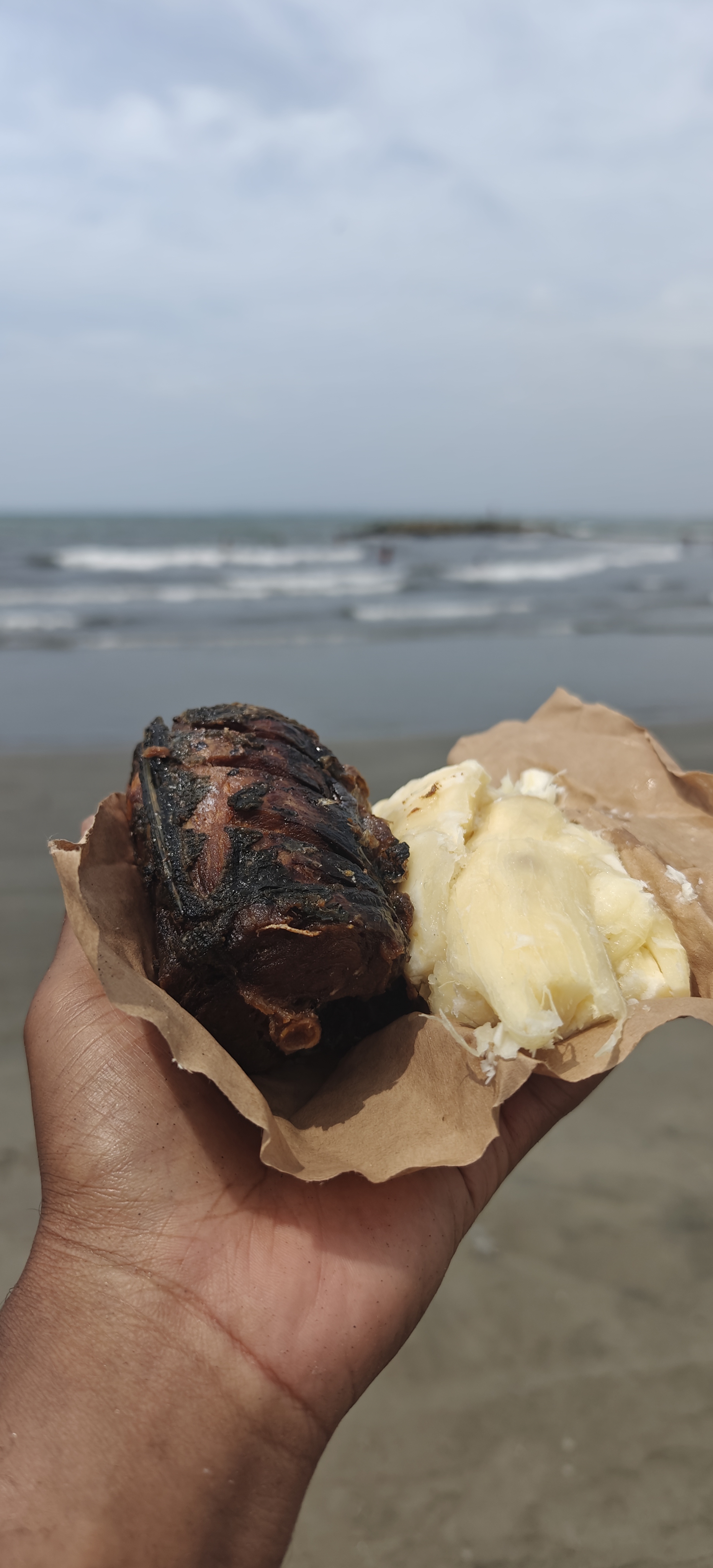
When I tell people that I’m a food scholar, they think I just eat food and talk about it. I mean, I do do that, and it is very enjoyable. But everyone eats, and in today’s society laden with food porn that saturates various screens run amok by herds of foodies who like to spread the gospel of good eats, my work goes a little bit beyond that. Food is such a banal part of our life but using it as a tool of scholarly inquiry is largely overlooked. There is a significant body of literature on food, especially from renowned geographers and anthropologists. But most of this scholarship has centered on the consumption of food and, to a smaller extent, its production and distribution. To me, however, food is a living archive. I believe it is our most powerful tool for making sense of the world around us. That is to say, I don’t see food as some ancillary part of mere human existence nor an object of material culture as many scholars have typically regarded it. Instead, I see it as a tool that can be utilized in the same way that a biologist might use a microscope, to make sense of a culture under different pretenses. In this case, to understand how to use a tool, it’s important to be methodological in its application. How does one use food as a method?
To answer this question, I traveled to Veracruz and Cartagena in 2025 to understand how food can be used to make sense of a place, a society, a culture. While I am fascinated by nearly anything and everything related to food, my work in particular seeks to make sense of foodscapes — the space in which food is produced, distributed, and consumed — and how African agricultural practices and ecological knowledge have shaped them. More specifically, I am interested in what some scholars have called the circum-Caribbean, coastal places along the American mainland that have a longstanding history with the Caribbean islands. As someone from the Texas gulf with substantial Louisiana heritage who has also lived in Colombia and Mexico, the circum-Caribbean is a space that I’ve used to make sense of my identity and heritage in the Atlantic world. Veracruz and Cartagena were two of the world’s busiest ports in the 17th century. They are particularly interesting to me because they also housed some of the largest slave markets and were home to large African-descending populations, with a large number of them being free. Both places had many long-standing historic and social ties to communities across the Gulf Coast of the United States.


I was interested in understanding a few things in developing my pursuit of food as a method. The first was determining how “Caribbean” these places were and what makes them different from Caribbean islands, and secondly, how did Afro-descendent people think about these spaces and their relationships to them? I would, of course, use food to answer these questions.

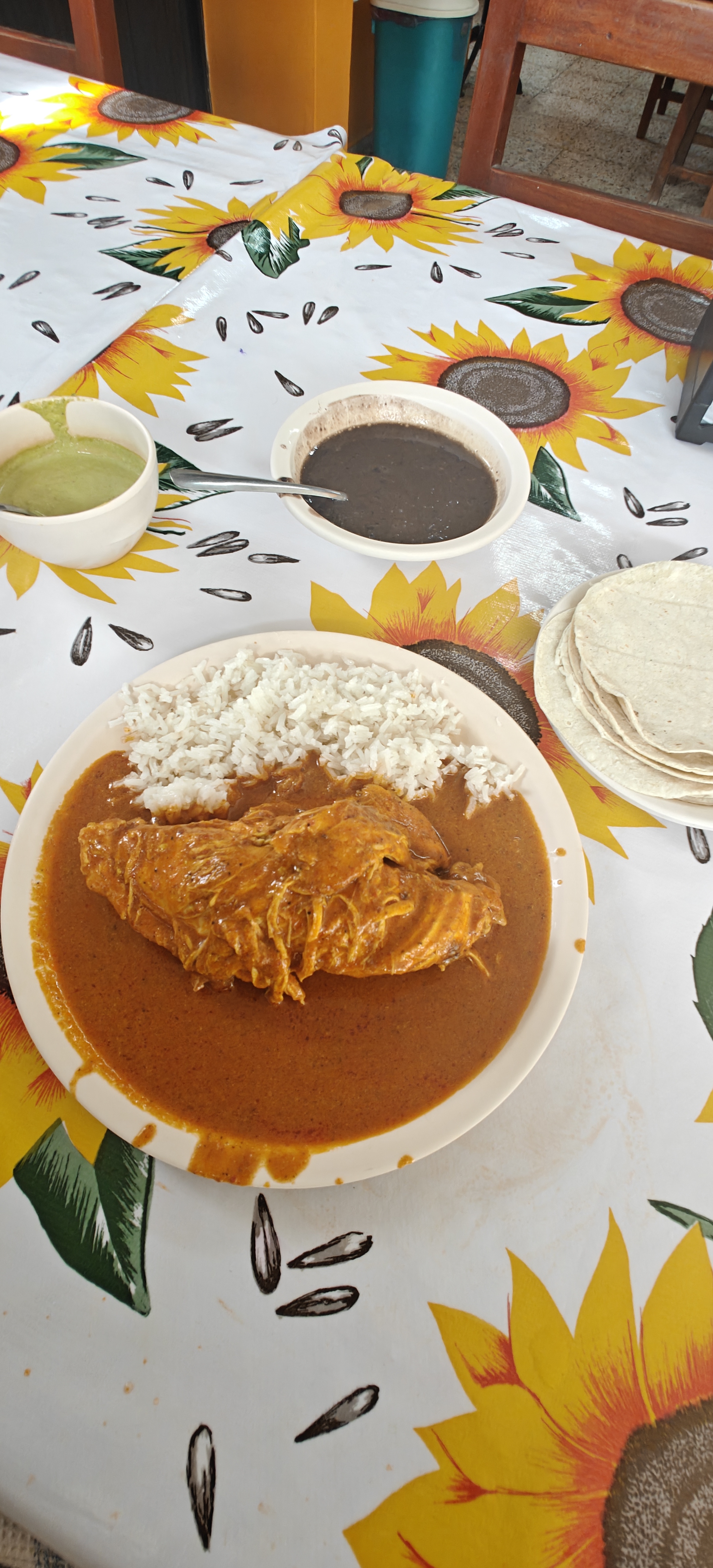
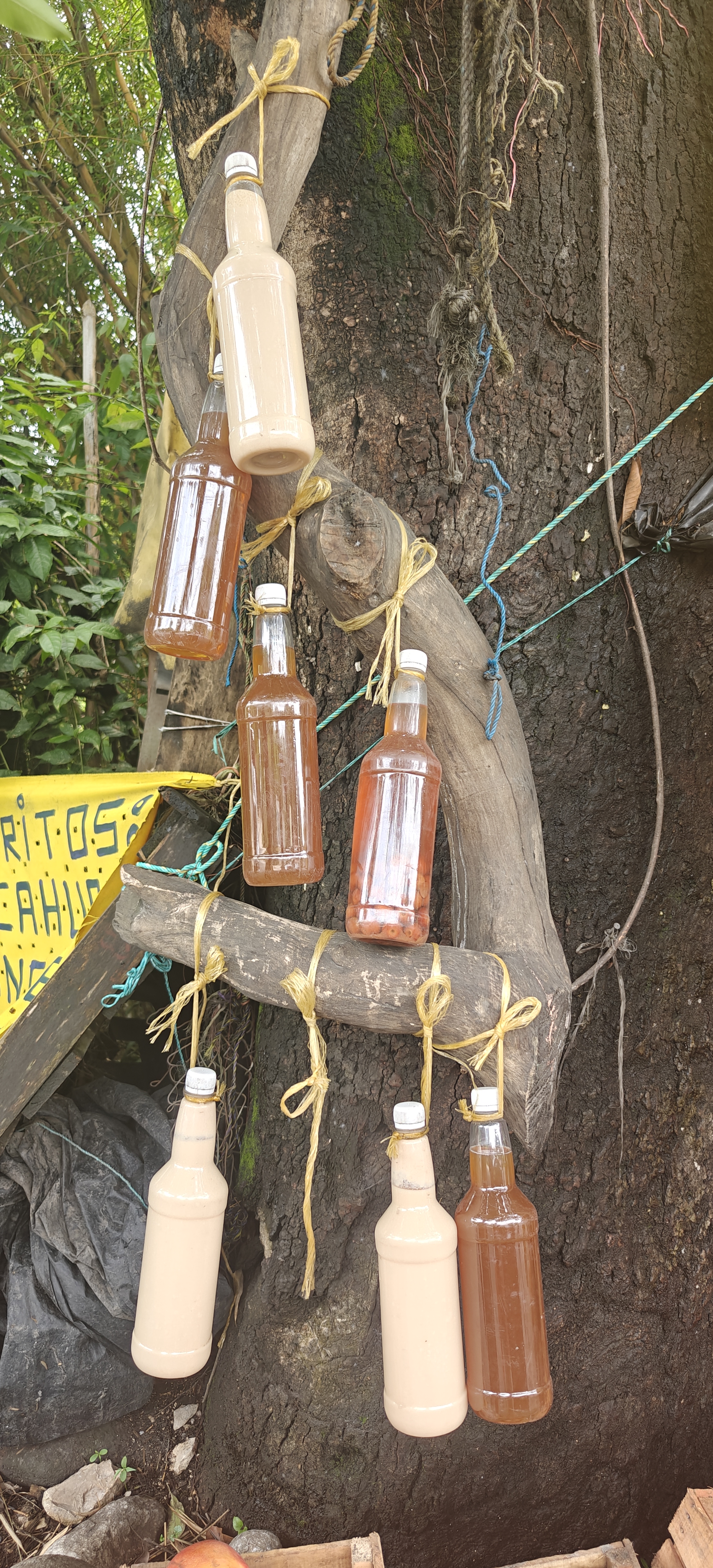
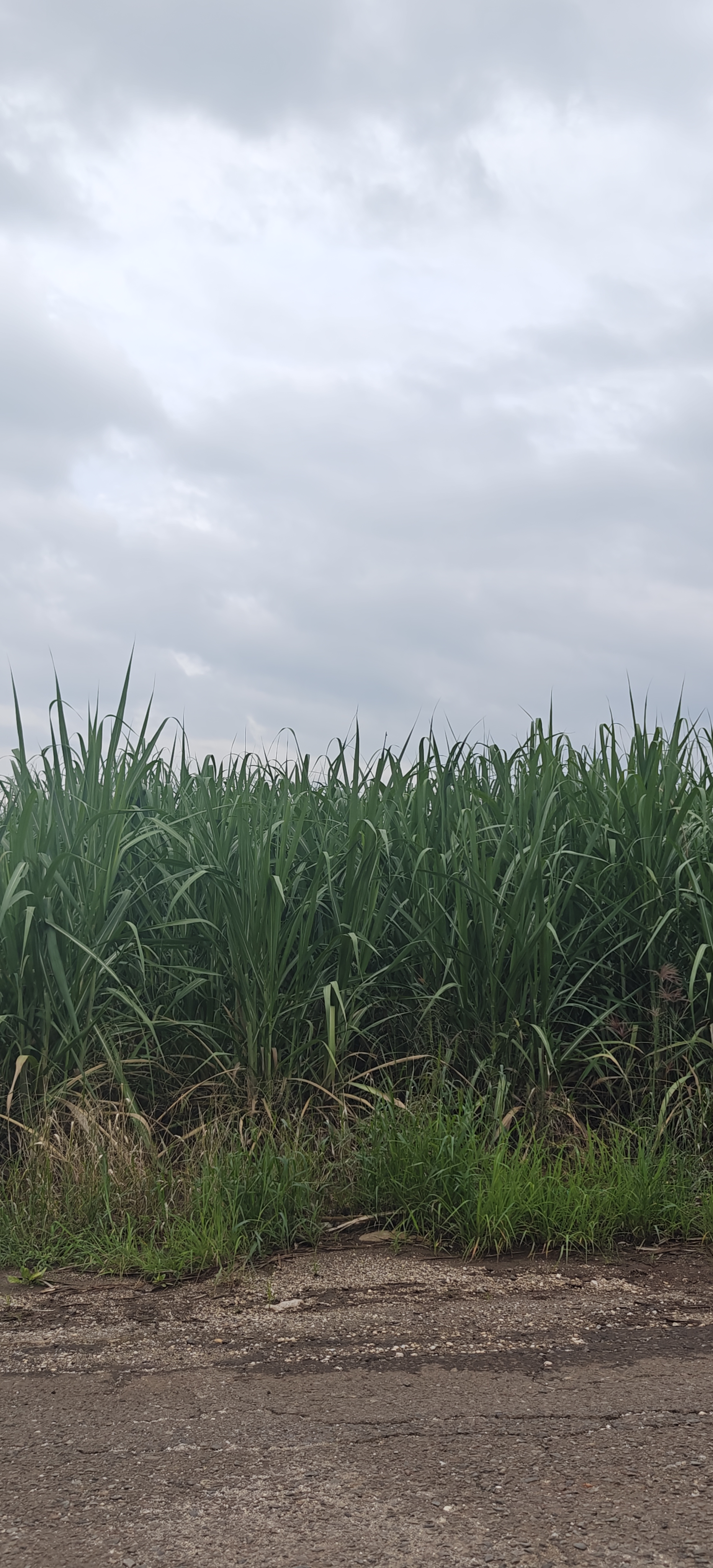
I spent about 3 weeks in Veracruz in June and about 2 weeks in Cartagena in August. In both historically significant port cities and their surrounding areas, I found myself in between commercial and private kitchens, historical archives, churches, and streets. In Mexico, as I ate my way through arroz a la tumbada, a fragrant brothy rice dish served with seafood, and encacahuatado, a plate featuring meat stewed in peanut sauce, and drinking toritos, a creamy drink made with distilled sugarcane liquor flavored with fruit or nuts , these culinary treats told very clear stories of migrations, African influences, adaptation, and resistance. Several conversations with cooks, community leaders, and locals revealed how so many of these traditions are shifting or being challenged by industrialization, politics, and environmental issues. For example, in much of the region known as Yanga, named after a cimarron (an enslaved person who ran to, more often than not, mountainous areas to escape their captivity) who led rebellion for freedom and autonomy, Mexican sugarcane companies have managed to destroy unions, buy out locals, and take over the land, imposing a monoculture that has polluted rivers, reduced biodiversity, and impacted the subsistence way of life that many locals have had for centuries. Comments about how they don’t eat as much seafood anymore or see as many plantain trees were repeated like a broken record, much like the constant grievances expressed by elders about younger folks – being influenced by globalizing trends, leaving old practices behind, and abandoning these places all together behind as they search for new opportunities, as the only available work is cutting sugar cane, much like their enslaved ancestors did.


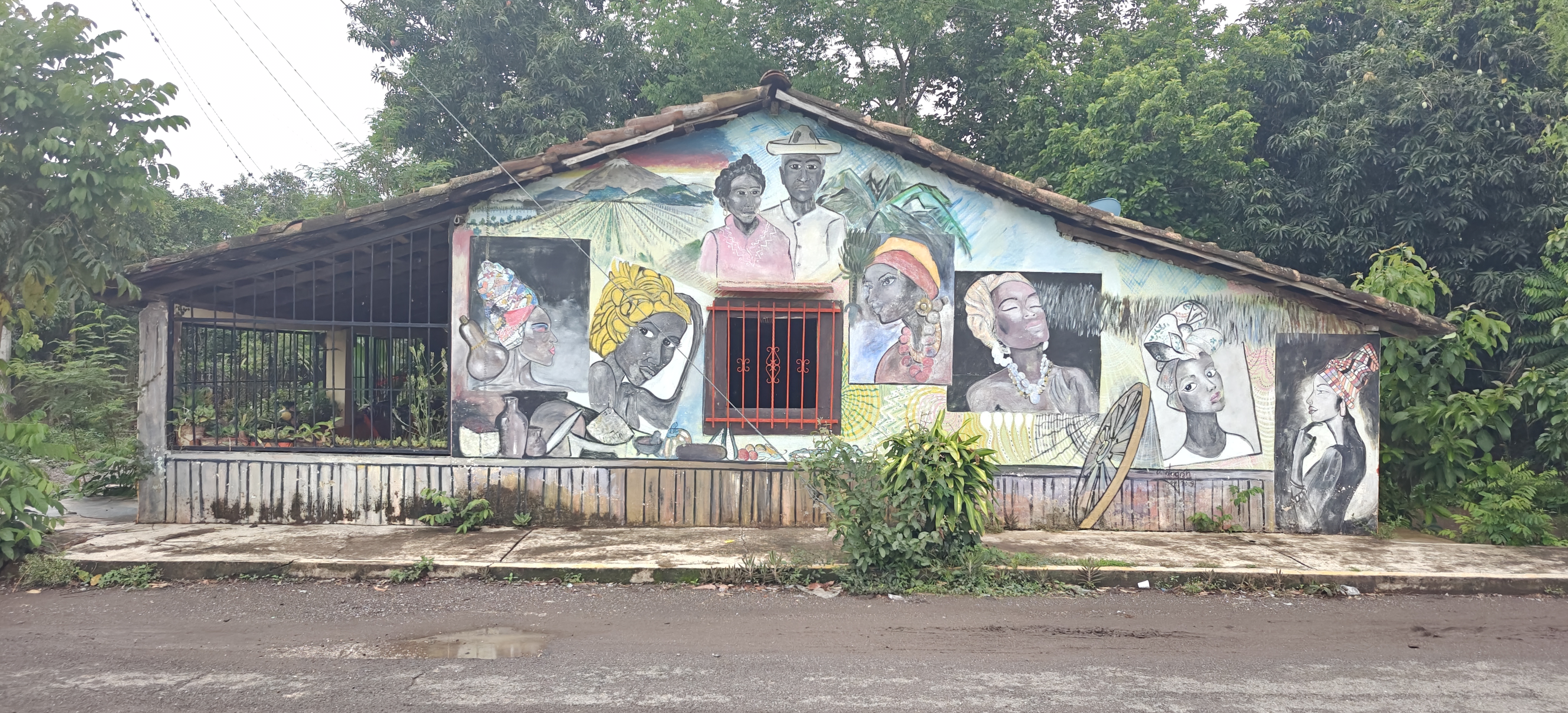
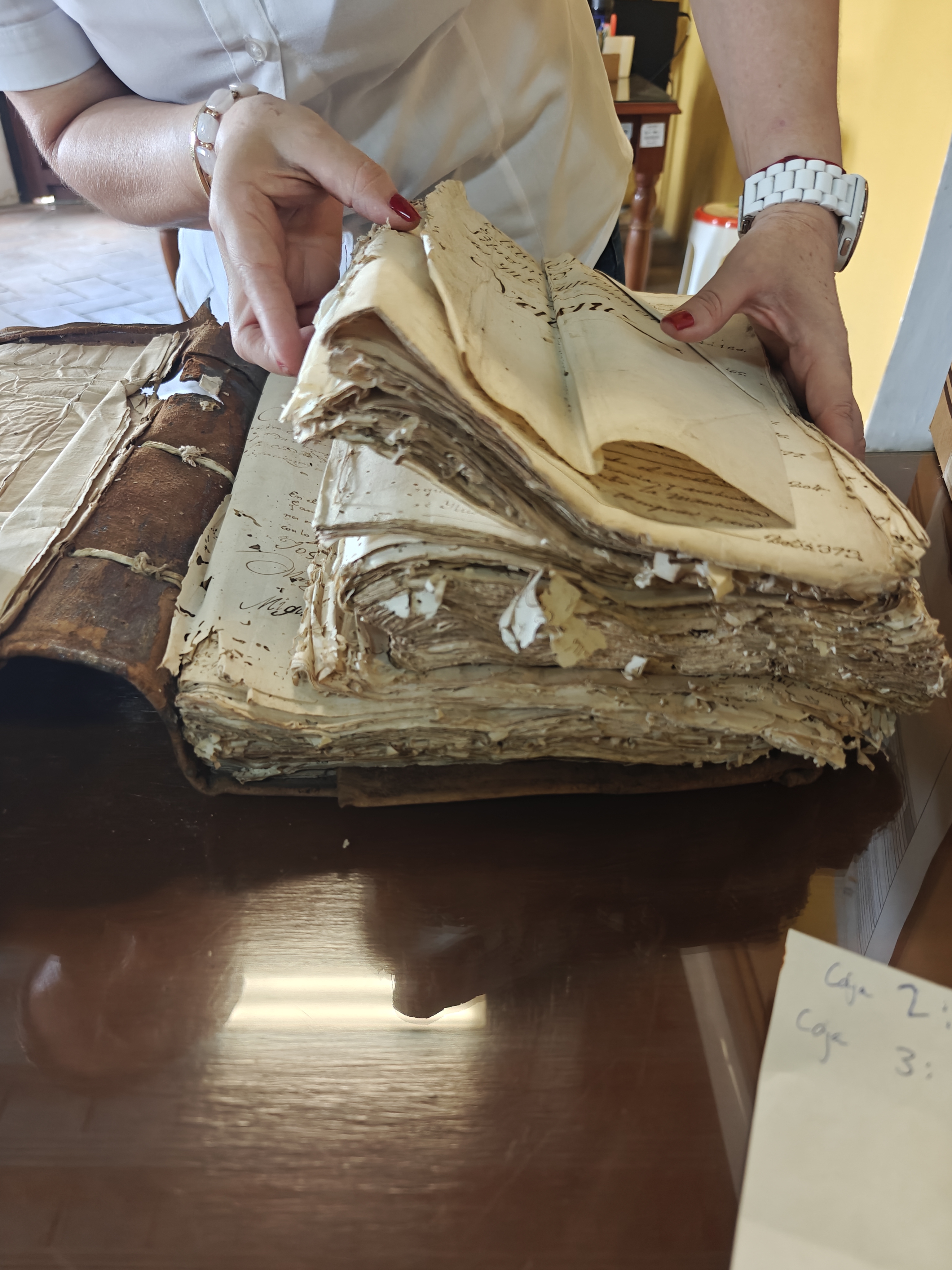
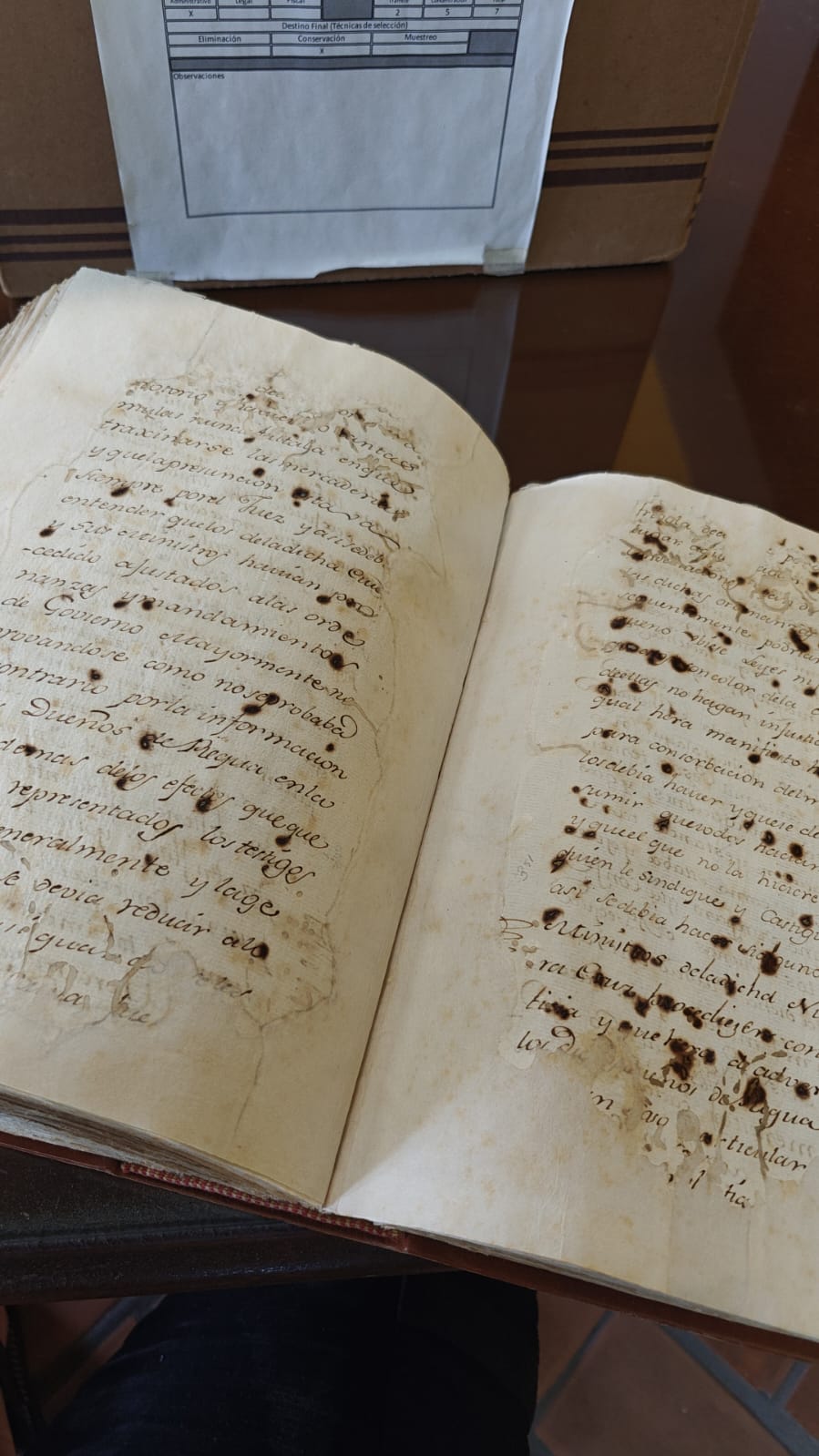
Similar sentiments were commonplace in Jamapa, a historic ranching town 10 miles southwest of the port of Veracruz with some of the most fertile land in the country. While it has been, like Yanga, slowly undergoing a similar transformation of its foodscape, it has been spared from massive industrialization due to its location being off the beaten path, far away from major routes. Locals, however, still worry that it will soon be a target of a country that is desperate to increase agricultural production and exports. In many of these towns, locals squat in ruins of haciendas and fincas that date back to the early modern era. But there are no commemorative plaques or anyone working to preserve the heritage and memory of these Afro-descendent places that were impacted and continue to be impacted by blanqueamiento, a systemic whitening of its population, industrialization, and imperial ghosting. This is generally in line with the archives I found myself encountering, where documents that I handled were crumbling apart from the heat and humidity. Some of them seemed promising in their catalog descriptions, referring to food supply chain issues, bakery licenses, negros, and riots at markets, but alas, I was told some of those documents were no longer accessible to the public. I had even been told I’d probably be the last person ever to rummage the contents of one folder. And even in locations where you would think you’d find something about the enslaved people, like at San Juan de Ulua, where enslaved Africans were held captive for days at time, the fort and castle serve nothing more as a tribute to Mexico’s naval history, with a brief mention to its usage as a prison. In the backdrop of constant forgetting and erasure of black people in Mexico’s national history, taking the time to understand food and subsistence agriculture were a critical tool to recuperating these undertold and unaccounted stories that highlight the dangers of industrialization, capitalism, and neoliberal politics.


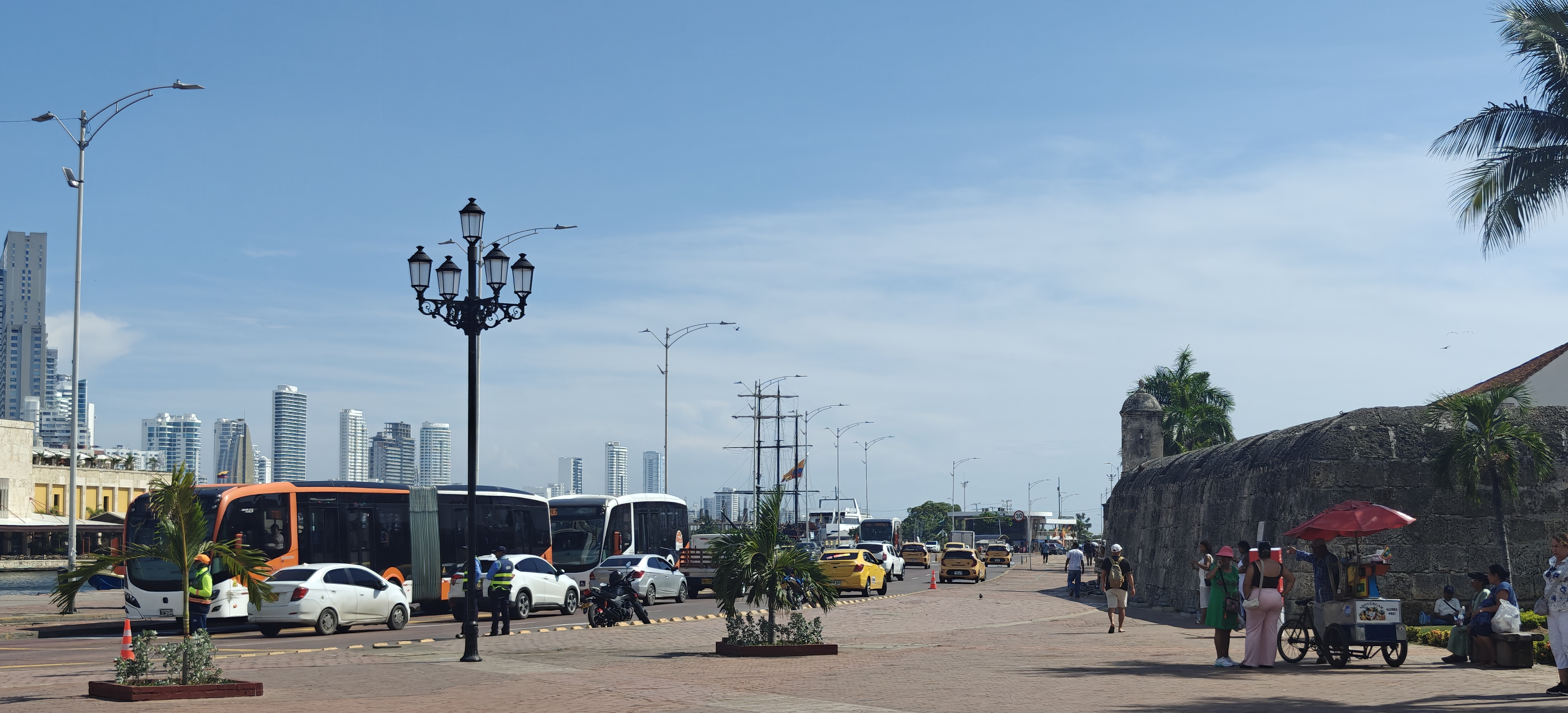
After establishing a baseline understanding of how food can be used to ask some of these topics in Mexico, Cartagena became a site for praxis. I began to look for similar patterns, which might seem unlikely, given that Cartagena has become synonymous with its Afro-Colombian heritage. Between the iconic image of a black woman in her patriotic wear carrying a bowl of fruits on her head, fried fish, andpatacon (twice-fried green plantains), Afro-descendent street performers constantly going viral, and tourists taking day trips to Palenque to learn about the self-proclaimed first free town of the Americas, many might be hard pressed to see how the same stories of erasure and forgetting can exist there, much like in the case of Mexico. But conversations with friends and the many locals they introduced me to made me see that so much of the tourist-laden centro historico for many decades actually looked like the ruins I found traveling through the state of Veracruz with locals squatting, alley ways full of wooden homes, and people that mostly lived off of petty trading. All of this began to change in 1984 when the city was recognized as a UNESCO World Heritage Site. With an ever increasing globalized society, many nations, like Colombian, began to adopt neoliberal policies and welcome tourism as a means to boost the economy. Cartagena, with its UNESCO designation, coastline, and Caribbean heritage became the target of sociopolitical and economic policies aimed at transforming the city into a tourist destination. Now, a city once with an extremely localized economy connected to several small towns, has become swallowed up by tourism, controlled by a local government hellbent on displacing much of the people it uses in its image and exploit to carry out its aims to be the world’s top tourist destination.
During my time in Cartagena, I had the opportunity and honor to spend time inLa Boquilla, a fishing village fighting to maintain its rural heritage and way of life as the city continues to encroach upon its beaches. Locals share about how the increasing urbanization of Cartagena has reached the town, how markets, the arrival of shipping, and environmental changes have led to a reduction of fishing and fishing processing, and how many are now turning to tourism to continue to live. Much like Mexico, many young people aren’t interested in maintaining the traditional ways of life, although many community leaders continue to do things to maintain a sense of pride and identity. The organization Batambara, for example, takes advantage of tourism to fund and teach locals traditional drumming and to educate them on the importance of preserving their heritage. Because in the face of oppression, there are also always acts of resistance.
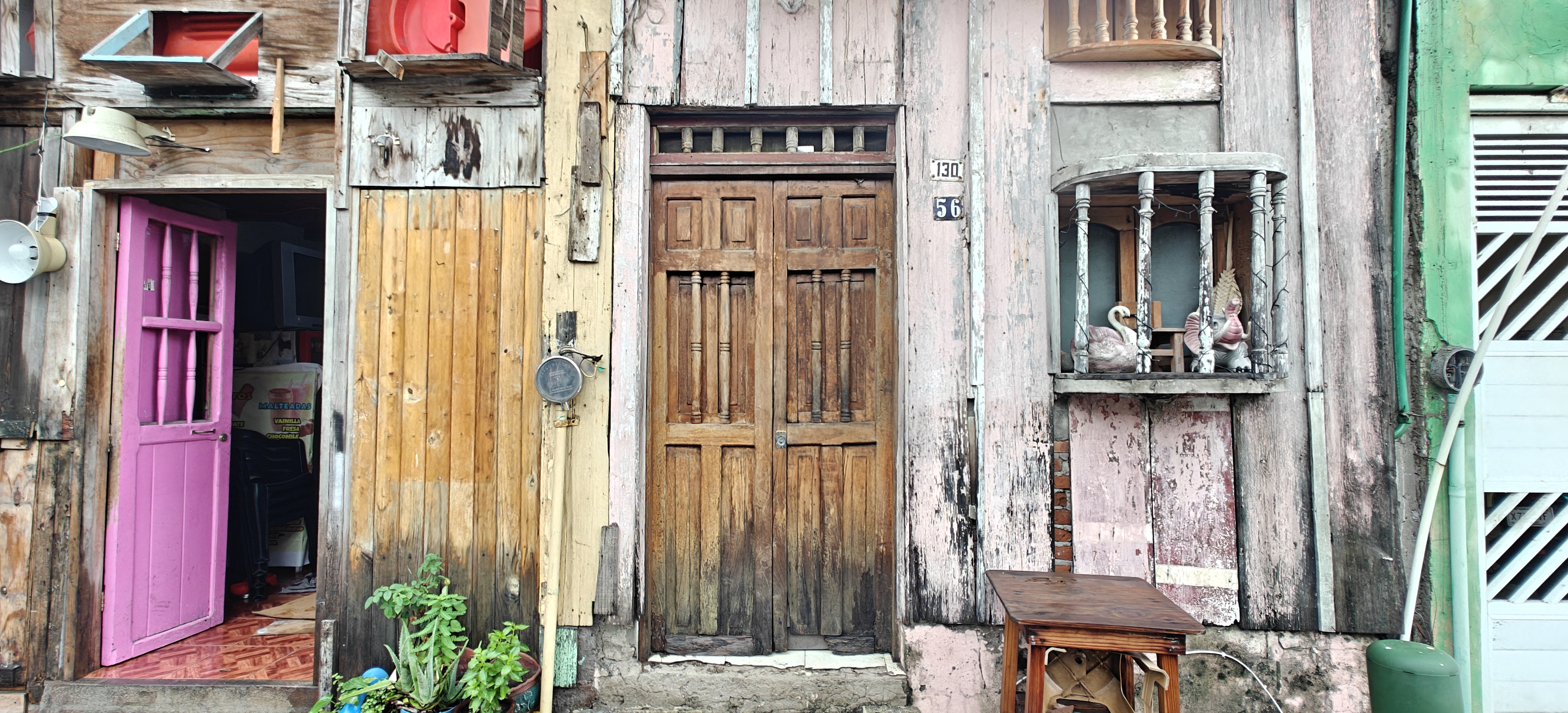
Wooden homes on Callejón Toña La Negra, a street named after a famous Afro-Mexican singer in the historic center of Veracruz. (Photo by Traveon Rogers.)
In the end, time spent in Cartagena and Veracruz has made it clear that food is something more than mere sustenance, and that a simple interrogation of local diets reveals much more than we realize. The simple act of sharing meals was ultimately for me a way to understand history, political issues, geography, environmental challenges, systemic racism, misogyny, cultural differences, and so much more that I would have expected. And much like the journey from a farm to a table, my experience across the two places highlights that we are not only what we eat, but also a product of all that comes before it.
Traveon Rogers is a Ph.D. student in African American and African Diaspora Studies at UC Berkeley and a recipient of a 2025 Tinker Field Research Grant. As this post demonstrates, their love for cooking and the culinary arts is a powerful medium for expressing the diverse cultural narratives they explore in their work. They are currently focused on the connection between food, visual culture, and storytelling.

Leave a Reply