
By Michelle Zaragoza
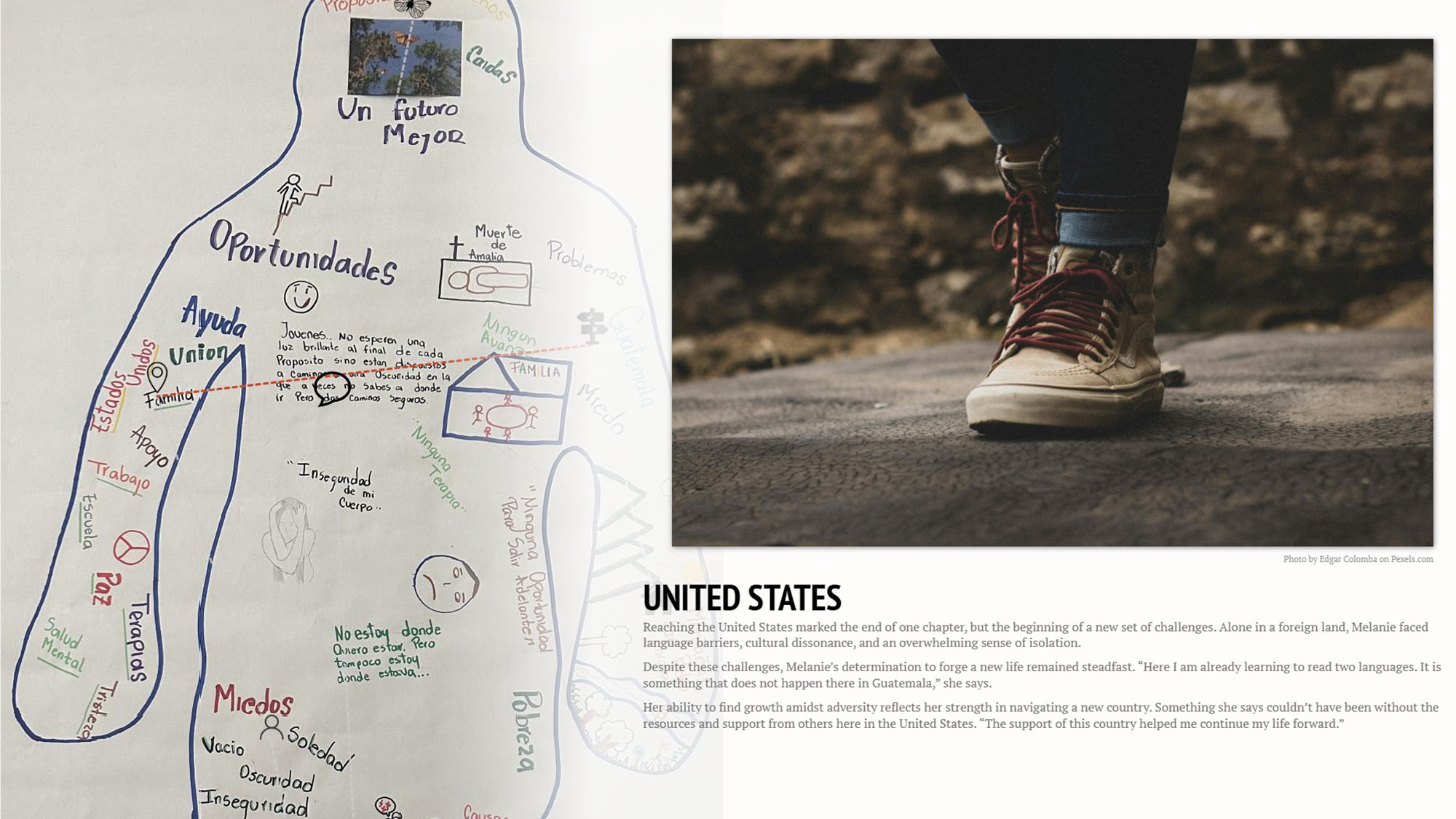
When I began my research with unaccompanied immigrant youth — young people who journey to the United States without a parent or caregiver — I quickly realized that traditional interviews might be emotionally burdensome for a population that faces unique mental health challenges.
Most unaccompanied youth migrate from the “Northern Triangle” region of Central America, which includes the countries of El Salvador, Guatemala, and Honduras. Many of these youth report leaving their countries of origin to escape poverty and extreme violence from gangs (Becker Herbst et al., 2018), or to reunite with family in the U.S. (Kandel, 2024). Several Latin American countries, particularly in Central America, have some of the world’s highest rates of femicide (Economic Commission for Latin America and the Caribbean, 2024), in which case migrating to the United States often emerges as a potential solution. While varied and complex reasons drive migration, immigrant youth who journey to the United States are frequently at risk for the development of psychological sequelae such as depression, anxiety, and post-traumatic stress disorder after resettlement.
Existing literature tells us that this population of young immigrants is likely to experience trauma throughout their journey to the United States, are at a heightened risk for developing mental health concerns after resettling (Cardoso, 2018; Castañeda et al., 2021), and encounter challenges navigating life in a new country that include housing, academic, and employment stressors (Berger Cardoso et al., 2019; Canizales, 2021; Canizales, 2024). As a social work researcher, I was interested in better understanding the mental health of unaccompanied youth while prioritizing trauma-informed principles that emphasize safety, trust, choice, collaboration, and empowerment in the research process. I realized that getting creative was essential, and it quickly became apparent that art was the key to unlocking this path.
In my research with unaccompanied immigrant youth, I use body mapping, an arts-based approach that blends storytelling with visual art. As an evidence-based research method, body mapping invites young people to trace life-sized outlines of their bodies and fill them with symbols, colors, drawings, and words (Gastaldo et al., 2012). As a researcher committed to centering youth voices, body mapping provides a creative and visual way for young people to express thoughts that are difficult to articulate verbally. I wanted the process to feel like collaboration, rather than extraction. This allows participants to have control over what and how they share their experiences, especially when it comes to discussing stressful events and emotions, which can often feel overwhelming. Overall, body mapping is a valuable tool in research addressing complex and sensitive topics such as trauma and mental health, moving beyond relying on verbal methods alone.
In my work in particular, I used body mapping as a creative, participatory method to explore the mental health experiences of unaccompanied youth, specifically in relation to migration, trauma, and resilience.

The process begins with either outlining the participant’s body or offering a pre-drawn outline (right), depending on their comfort level and preference. Throughout three one-on-one, hour-long sessions over three weeks, participants were invited to engage with their body maps by pasting images, writing phrases and words, and drawing directly onto their outline. As they engaged in the process, they were also encouraged to talk through their responses, making meaning through both visual and verbal expression.
Each session followed a structured interview guide that focused on a specific theme: the migration journey, mental health experiences, and future hopes or aspirations. For example, I asked questions such as: “When you feel like giving up, what do you remind yourself of?” or “What has been most beneficial for your mental health?” These prompts invited youth to reflect deeply and express their emotions and stories through creative visual representations.
To support accessibility, I ensured that each youth had access to a wide range of art supplies — including markers, paint, crayons, and magazines for collage — and a private, comfortable space. This helped accommodate different levels of artistic comfort and physical ability, allowing participants to focus on storytelling in a way that felt right for them.
Once the body maps were completed, I allowed the youth time to reflect on their body maps and share the stories narrated through them. What the youth shared in their testimonies mirrored their experiences. Through this method, they discussed their migration journeys, the challenges they faced regarding mental health, and how they coped during this period of adjustment while looking forward to their futures in the United States. These body maps served as a bridge between the youth and me, aiding my research to better understand their mental health experiences and assisting them in sharing their stories, all while promoting safety, trust, and care.
See Melanie’s Story here: https://uploads.knightlab.com/storymapjs/86018a209af95aaf4861c5ded82ef19d/melanie-s-body-map/index.html
References
Becker Herbst, R., Sabet, R. F., Swanson, A., Suarez, L. G., Marques, D. S., Ameen, E. J., & Aldarondo, E. (2018). “They were going to kill me”: resilience in unaccompanied immigrant minors. The Counseling Psychologist, 46(2), 241-268.
Berger Cardoso, J., Brabeck, K., Stinchcomb, D., Heidbrink, L., Price, O. A., Gil-García, Ó. F., … & Zayas, L. H. (2019). Integration of unaccompanied migrant youth in the United States: A call for research. Journal of ethnic and migration studies, 45(2), 273-292.
Canizales, S. L. (2021). Educational meaning making and language learning: Understanding the educational incorporation of unaccompanied, undocumented Latinx youth workers in the United States. Sociology of Education, 94(3), 175-190.
Canizales, S. L. (2024). Between obligations and aspirations: unaccompanied immigrant teen workers’ transnational lives and imagined futures. Journal of Ethnic and Migration Studies, 50(10), 2510-2528.
Cardoso, J. B. (2018). Running to stand still: Trauma symptoms, coping strategies, and substance use behaviors in unaccompanied migrant youth. Children and Youth Services Review, 92, 143-152.
Castañeda, E., Jenks, D., Chaikof, J., Cione, C., Felton, S., Goris, I., Buck, L., & Hershberg, E. (2021). Symptoms of PTSD and depression among Central American immigrant youth. Trauma Care, 1(2), 99-118.
Gastaldo, D., Magalhães, L., Carrasco, C., and Davy, C. (2012). Body-Map Storytelling as Research: Methodological considerations for telling the stories of undocumented workers through body mapping. Retrieved from http://www. migrationhealth.ca/undocumented-workers-ontario/body-mapping
Kandel, W. A. (2024). Unaccompanied alien children: An Overview. United States Congressional Research Service. Retrieved from https://sgp.fas.org/crs/homesec/R43599.pdf.
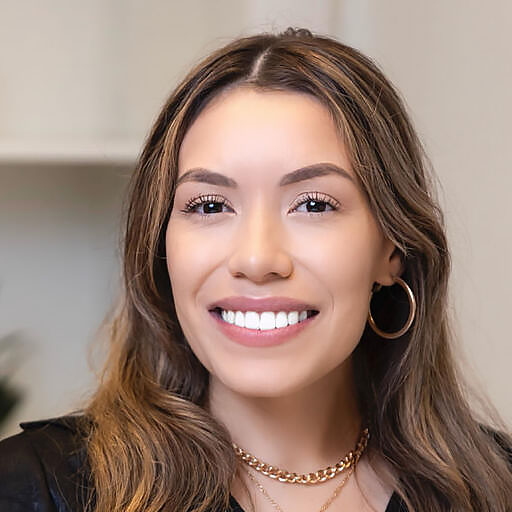
Michelle Zaragoza (MSW, LCSW) is a Ph.D. Student in Social Welfare at UC Berkeley. Her research focuses on using qualitative methodologies, including arts-based research, to explore the lived experiences of mental health and trauma among Latinx communities. Her work investigates the wide-ranging mental health disparities that impact Latinx immigrant communities, focused on informing culturally relevant and trauma-informed practices and policies.

Altın ve döviz piyasalarıyla ilgili güncel verilere en hızlı şekilde ulaşmak için Altın menkul değerlerini takip etmek önemli bir avantaj sağlıyor.