
On September 11, 2023, it will have been 50 years since a violent coup overthrew the democratically elected government of President Salvador Allende in Chile. Augusto Pinochet, with backing from the U.S. government, established a dictatorship that engaged in terroristic repression of its own country.
One theme that the Center for Latin American Studies will be exploring through this blog is legacies of intervention – how interference by outside forces into Latin American and Caribbean countries has led to decades and centuries of unforeseen and often deadly consequences.
In several of the proceeding entries on this site, those legacies have been explored – the Nicaraguan regime of Daniel Ortega as a consequence of U.S. support for both the Somoza regime and the Contra War, for example. But that is only the latest foray in that country; William Walker tried to establish “slave colonies” in Nicaragua prior to the American Civil War, for example.
The following article is another legacy – the violence of the Pinochet regime against its own people after the U.S.-backed coup. – The Editors
Until the Sea Shall Give Up Her Dead…
By Elizabeth Farnsworth, Patricio Lanfranco, and María José Calderón
On February 8, 1991, the National Commission for Truth and Reconciliation in Chile delivered a report to newly-elected president Patricio Aylwin detailing human rights abuses during the rule of General Augusto Pinochet (1973-1990). (1)
Among other crimes, the Rettig Report revealed officially for the first time that Pinochet’s security forces had dropped bodies of political prisoners from helicopters into the country’s ocean, rivers, and lakes. Those desaparecidos (disappeared), as they were known in Chile, had opposed General Pinochet’s 1973 coup against the democratically elected President Salvador Allende and the repression that followed. According to current figures from official reports, at least 1,469 people were thrown – sometimes alive – into bodies of water and volcanoes or made to disappear in some other way. (2)
After the publishing of the Rettig Report, ten years passed before human rights groups, attorneys, and family members of the disappeared succeeded in pressuring the Chilean government to appoint special judges and detectives to more vigorously investigate crimes involving the disappeared. The authors of this introduction produced a documentary for PBS featuring one of those judges, Juan Guzmán Tapia. (3) Our film, The Judge and the General, (4) which has screened widely around the world, most recently on April 18 this year at the Museo de la Memoria in Santiago, contains footage of the retrieval from Quintero Bay, 70 miles west of Santiago, of steel rails which had been attached to bodies dropped from a helicopter into the ocean. (5) The film includes an interview with a helicopter mechanic, Juan Carlos Molina Herrera, who revealed details of the death flights to Judge Guzmán. Mothers of the disappeared had also told the judge that scuba divers had reported finding pieces of steel rails on the floor of Quintero Bay.
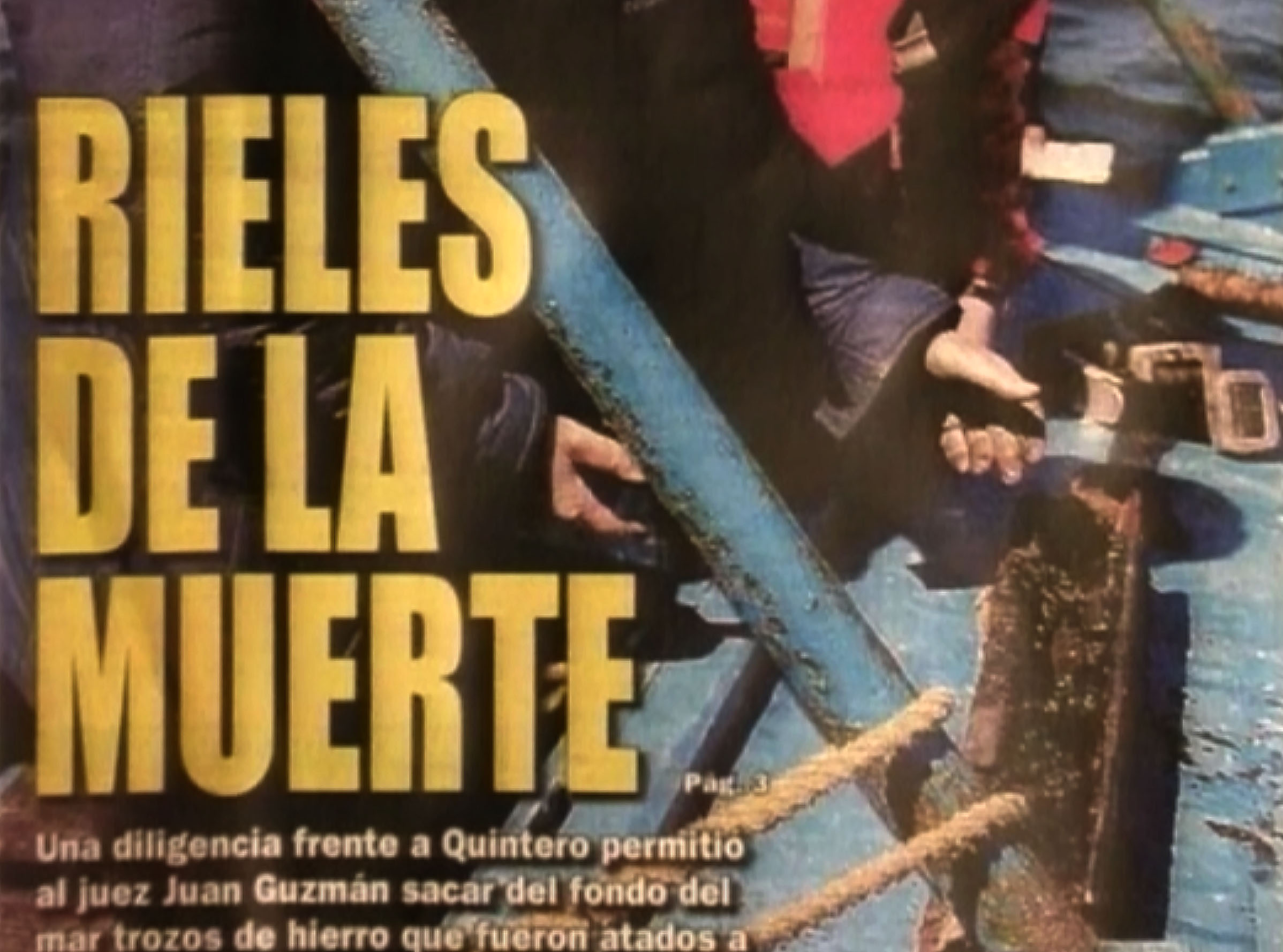
The Molina interview about the rails seems especially relevant in these months leading up to the 50th anniversary of Pinochet’s military coup (September 11, 1973). In March this year, Chile’s president, Gabriel Boric, launched a new effort – the Plan Nacional de Búsqueda – to find the missing. “We have a moral duty to never stop looking,” Boric said.
There are still more than 1,159 victims of forced disappearance or political execution whose remains have never been found. (6)


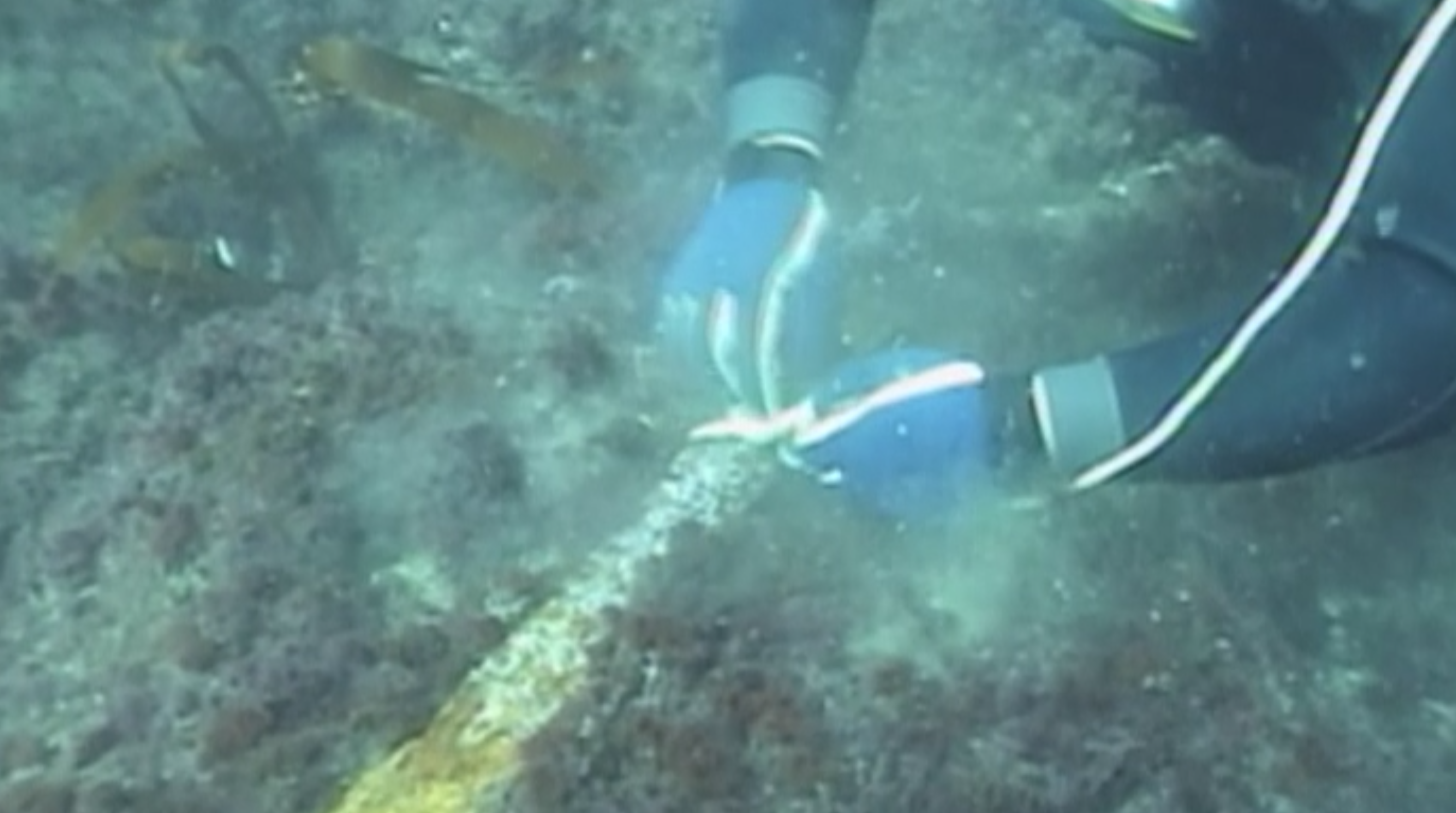
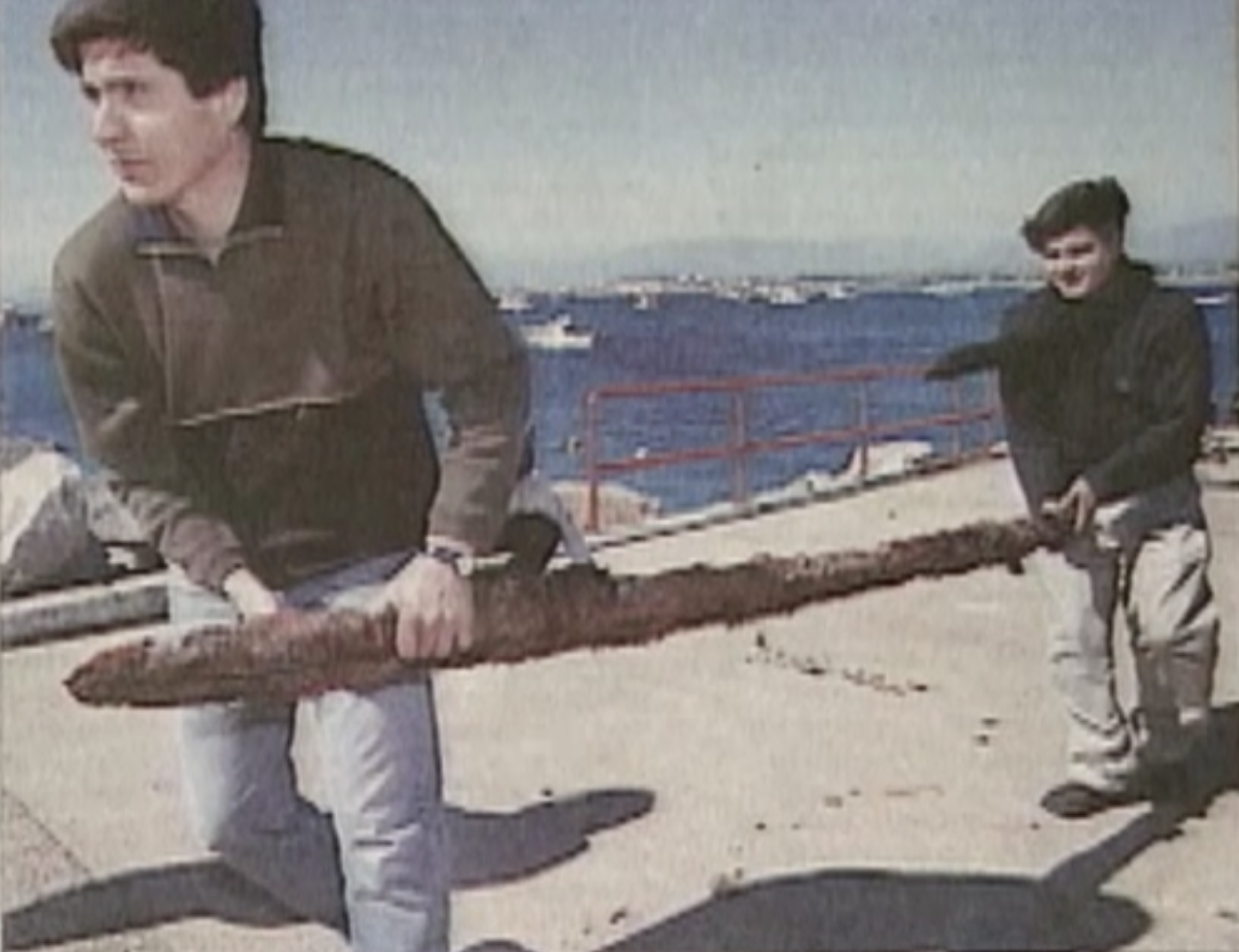
In September, 2004, the crew of The Judge and the General filmed above and under the water as divers brought rails like those described by Molina to the surface. Judge Guzmán’s detectives helped load the rails into boats and then laid them on a dock on shore. We could clearly see a small, round object attached by rust to one of the rails. Forensic analysis would later reveal it to be a pearl button. That button has become an especially poignant symbol of the sadistic cruelty of Augusto Pinochet’s rule. (7)

The helicopter pilot’s confession and the retrieval of rails were crucial to the heartbreaking recognition by families of the disappeared that their beloved children, wives, and husbands were in fact dead, their bodies cruelly made to disappear, never to be recovered.
On June 17, 2005, Patricio Lanfranco interviewed Molina at his home in Padre Hurtado, a working-class district of Santiago. We have confirmed Molina’s participation in at least two death flights. (8) As far as can be determined, neither Molina nor the pilots on his flights loaded bodies onto helicopters or pushed them from the helicopter. Undercover agents of the dictatorship’s security forces did that dirty work.
When we asked Judge Guzmán about Molina, the judge answered:
He was a very brave man. He had to do what he was ordered to do. I have the highest respect for him as I do for all these witnesses who have the courage to tell us what happened and finally brought light to this case and showed us the importance of every link in how these people were first imprisoned, tortured, taken to the place where they were killed, and thrown into the water. It is a sad story, but it’s the only way that our people and the world know what occurred here in Chile.
Molina was never charged with any crimes. On May 16, 2022, Chilean reporter Paulette Desormeaux interviewed Molina again at his home in Padre Hurtado. According to Desormeaux, Molina complained that although soldiers who came forward to testify about human rights crimes had been promised aid by post-Pinochet democratic governments, he (Molina) had received only a one-time “grace bonus” of eight million pesos deposited into his retirement account. That had increased his monthly pension by 30 dollars, which Molina called “ridiculous.”
We have studied Molina’s declaraciónes policiales (police reports), which are consistent with what he revealed to us. He told Paulette Desormeaux that he has testified 18 times before different ministros (judges). He has thus performed a valuable role in confirming the facts surrounding the dropping of sometimes living human beings into the sea.
Is Molina a courageous truth-teller, as praised by Judge Guzmán? Or is Molina another “regretful soldier” who only confirmed something most relatives of the disappeared had already guessed, as a human rights lawyer in Santiago complained when Molina unsuccessfully sought his counsel, according to Molina himself. For guidance in answering those questions and in analyzing the myriad factors motivating such confessions as well as the effect on families of victims, we recommend University of Wisconsin Professor Leigh A. Payne’s Unsettling Accounts, Neither Truth nor Reconciliation in Confessions of State Violence (Duke University Press, Durham and London, 2008.) 9
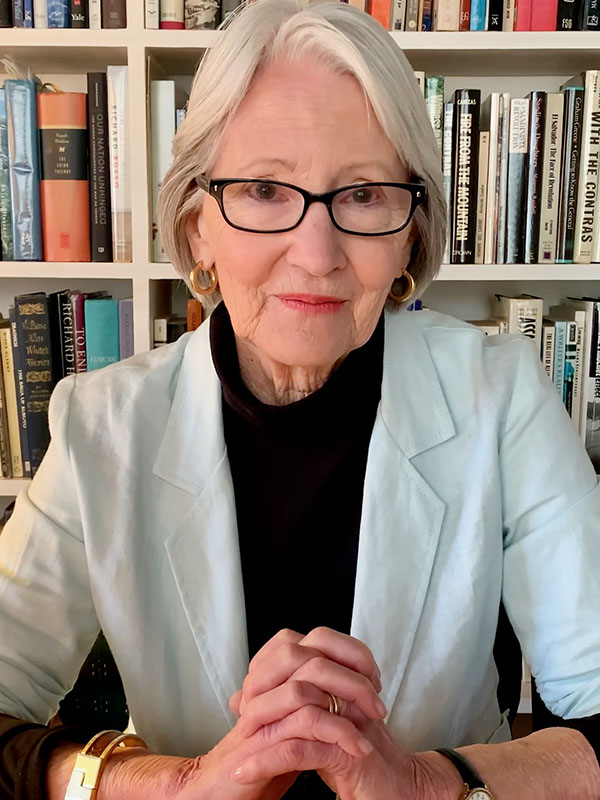
Elizabeth Farnsworth, co-producer/director of The Judge and the General, is a filmmaker and former chief correspondent and principal substitute anchor of the PBS NewsHour. She has reported from Chile, Peru, Cambodia, Vietnam, Haiti, Iraq, Iran, and Saudi Arabia, among other countries, and has received three Emmy nominations and the Alfred I. duPont-Columbia Award for her work.
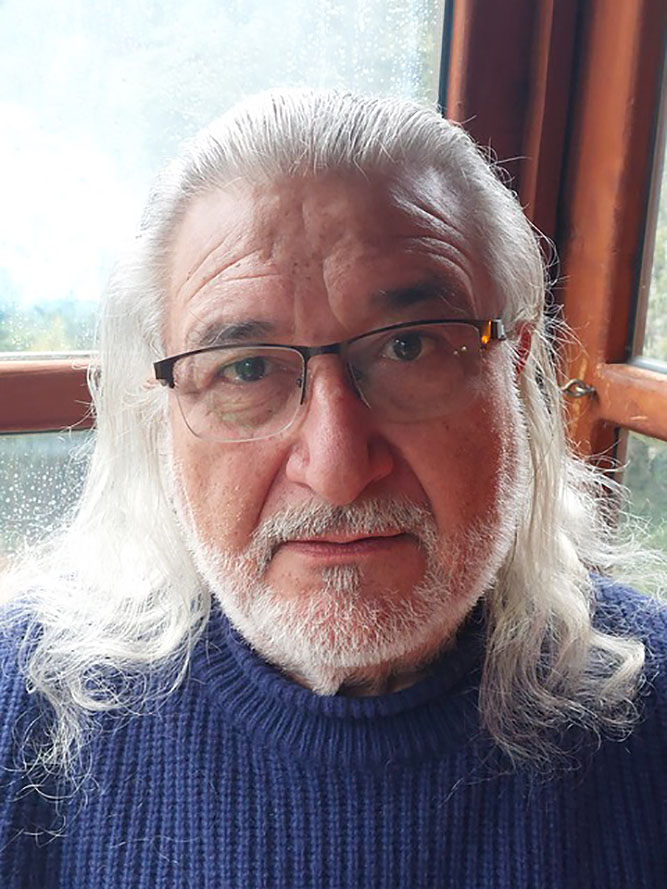
Patricio Lanfranco, co-producer/director of The Judge and the General, produced the live television coverage in Chile of the 1995 trial of Manuel Contreras, former chief of Pinochet’s secret police, for the 1976 murder in Washington, D.C. of Orlando Letelier, former Chilean Ambassador to the United States. Because of the broadcast, for the first time Chileans were able to watch attorneys present evidence in an official setting of human rights crimes committed by the secret police. In 2003, he was awarded the Chilean National Television Council Prize.
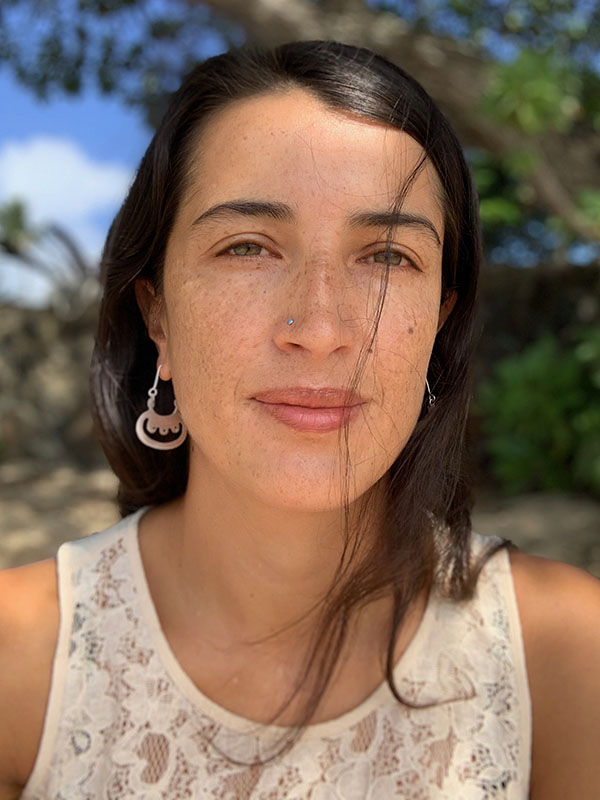
Maria Jose Calderón is a Chilean documentary filmmaker based in Oakland, California. In 2009, she received her master’s degree from the UC Berkeley Graduate School of Journalism. She was associate producer of The Judge and the General, and most recently has produced films for PBS, Latino Public Broadcasting, Netflix, Univision, and other networks. In 2020 she co-produced a FRONTLINE documentary that was recognized by the Scripps Howard Awards and the Ursula and Gilbert Farfel Prize for excellence in investigative reporting.
References
- In 1991 The National Commission for Truth and Reconciliation in Chile (Rettig Commission), released an extensive report containing the findings of nine months of research and interviews with survivors and relatives of victims of torture, rape, executions and forced disappearances by state agents, during Pinochet’s military rule from 1973 to 1990.
Informe de la Comisión Nacional de Verdad y Reconciliación: tomo 1
- According to reports by the National Commission for Truth and Reconciliation, the National Corporation for Reparation and Reconciliation, and the Presidential Advisory Commission for the Classification of Detained, Disappeared, Politically Executed and Victims of Political Imprisonment and Torture in Chile, the number of victims of forced disappearance amounts to a total of 1,469 (from September 11, 1973 to March 10, 1990).
Día Internacional de las Víctimas de Desapariciones Forzadas: El compromiso U. de Chile con la defensa de los derechos humanos
- Juan Guzmán Tapia (1939-2021), was the Santiago Appeals Court Judge appointed (by lottery) to investigate former dictator Augusto Pinochet and the first Chilean judge to indict him for human rights violations.
- When Judge Guzmán was assigned in 1998 to the first criminal cases against the country’s ex-dictator, General Augusto Pinochet, no one expected much. Guzmán had supported Pinochet’s 1973 coup, waged as an anti-Communist crusade, that left the democratically elected president, Salvador Allende, and thousands of others dead. The Judge and the General reveals one of the 20th century’s most notorious episodes and tells a cautionary tale about violating human rights in the name of “higher ideals.”
The Judge and the General (feature documentary) – West Wind Productions
- The Vuelos de la Muerte (The Flights of Death) were helicopter flights carried out by military pilots between 1973 and 1980. During these flights, bodies of political prisoners were taken from secret detention centers or removed from unmarked mass graves (sometimes inside military facilities), tied with wires to pieces of rail and thrown into the sea, rivers, or volcanoes. There are testimonies of cases where the prisoners were still alive or that had to be cut in the stomach to prevent them from floating. This horrific practice first came to light in 1976, when the body of 39-year-old communist militant Marta Ugarte appeared on the shore of a beach near Quintero.
BBC Mundo | América Latina | Chile: “Dopados, para ser lanzados al mar”
- Several state institutions are giving powerful “signals” in relation to the 50th anniversary: The parliament is discussing a law to include “forced disappearance” in the penal code; the executive launched the National Search Plan for victims of forced disappearance during the dictatorship; and the Electoral Service found a way to honor the missing people, adding the sentence “person absent for forced disappearance” in their voting register. Missing people cannot be erased from the vote register, because they have not been declared legally dead.
Gob.cl – Artículo: Presentamos El Diseño Participativo Del Plan Nacional De Búsqueda Para Víctimas De Desaparición Forzada En Dictadura
- Chilean filmmaker Patricio Guzmán used these images from The Judge and the General in his documentary El Botón de Nácar (2015).
- There are inconsistencies in Juan Carlos Molina Herrera’s testimony about how many “death trips” included him. In a 2006 deposition, Molina stated that he participated in two flights only — one in 1979 taking bodies from the military regiment Tejas Verdes and another in 1980. Another mechanic testified that Molina participated on a third trip in 1975, but Molina denies it.
Declaraciones_pilotos_y_mechanicos_del_ejército
- Leigh A. Payne, Unsettling Accounts: Neither Truth nor Reconciliation in Confessions of State Violence (The Cultures and Practices of Violence), Duke University Press, Durham and London, 2008.
Interview with Juan Carlos Molina Herrera
By Patricio Lanfranco (Part 1 of 2)
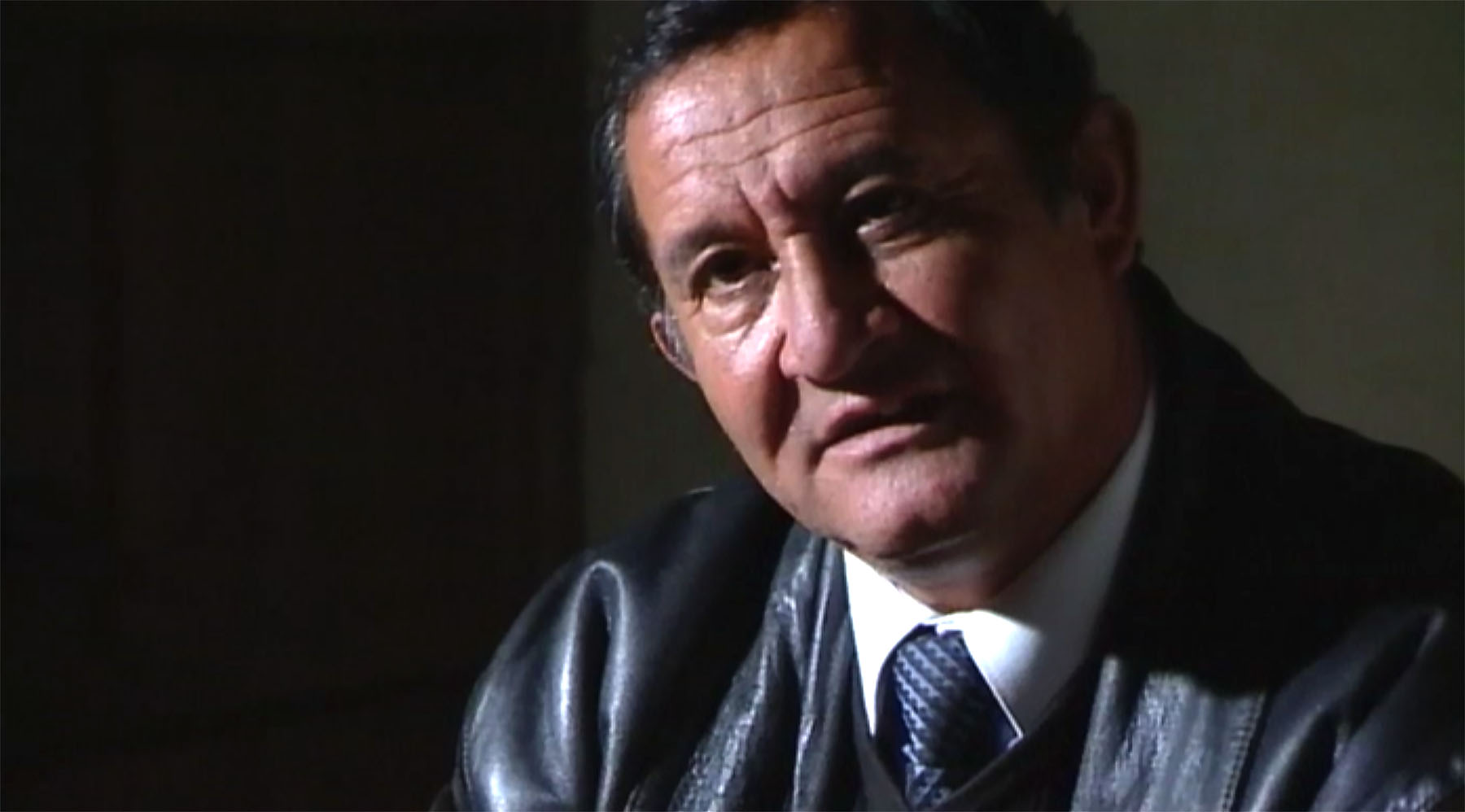
(Image from The Judge and the General.)
Please state your full name and rank?
Juan Carlos Molina Herrera, first sergeant, Chilean Army.
When did you enter the Army?
In February, 1973.
Of your own free will?
Yes, I had the vocation to become a soldier since I was young.
Why did you choose the Army?
I had no special relationship, but I knew they were studying aviation in the Army, and I had liked aviation since I was a little boy.
What year were you born?
1954.
When you entered the Army, did you decide to take part in the situation of the country?
When I entered the Army, I didn’t know anything about politics. The Army was just my vocation. But as months went on, we realized we were going through a very difficult time. I’d always known that a military coup was necessary. Maybe I’m wrong, but for me, the situation was calling for it.
What was that day (September 11, 1973) like for you?
They woke us up very early in the morning, at five o’clock. Not with the usual force, with swearing and yelling. We got up, showered and went to the mess hall to have some milk and bread. The first surprise was that they gave us some alcohol with our coffee, and we could even have seconds. Then they told us to line up on the patio. On the night before, September 10th, they had ordered us to take out our weapons, our rifles and leave them bipod in place, on the ground, in position to use it for whatever the Commander of the Military School wanted us to do. On the morning of September 11 as we lined up as companies, the commander of the school arrived and told us: “We‘re going to clean up Santiago.” Those were his words, literally. So we got the idea that something could be happening outside.
The doors of the Military School [Escuela de Suboficiales del Ejército) opened, and they told us to march, so we headed towards La Moneda,1 one group down Lord Cochrane and another down San Martín. They didn’t tell us anything else. They didn’t tell us we were heading to La Moneda to execute a coup d’etat. The Coronel told us to place our rifles as we wished: to blast or to fire shot-by shot, depending on us.
When we arrived at La Moneda, the Infantry School was already there with the police, fighting a group that was resisting inside La Moneda. We heard the first Hawker Hunter jet; then a second one. We saw the first rockets hit La Moneda, and then we knew this was a coup. Then we had to go into La Moneda. We went into Los Naranjos, to look for President Allende, and another unit came out and ordered us to stay there. They entered, and a Commander told us that the President had killed himself. I was outside on Morandé Street and I saw how they took out President Allende on a green stretcher, with a blanket on top, and they put him in a green ambulance with a white cross.
What were your impressions?
It was a very powerful experience, like a dream, a nightmare, but we saw that it was a reality. Next we saw the prisoners in front of La Moneda, about 20 people face down on the ground with their hands behind them, and a tank that wanted to run over them, and if it weren’t for General Palacios it would have. Many of my colleagues saw all this, but we couldn’t believe it was all real, because they were talking about “running the tank over these so-and-so’s.” Those people were outside the Augustinas Street door, towards Morandé Street.2 That’s where they had about 20 people. Afterwards they stood them up and took them to the Tacna regiment. I don’t know what happened to them. Then we went down to Teatinos, and there were others under arrest there. They took some to the Military School, and others to the Tacna Regiment. I got back to the School very late, I returned around 6 o’clock. There were many people under arrest, in our classrooms, that’s where they put prisoners. On that same day, we went to raid the Yarur-Sumar factory, at about 12 o’clock, one o’clock in the morning. And we didn’t see where they took those people.Yarur-Sumar was a company which had been intervened by the Popular Unity government. They had thrown out the owners and taken over the company.
When did you begin to suspect that there could be problems with human rights violations in Chile?
In 1974, in conversations with my companions-in-arms and instructors, I learned that they were throwing people into the ocean. I even heard that some were thrown while still alive. But since I didn’t see this myself I didn’t realize the magnitude of what was happening or think about the moral aspect of it. I thought they were only a few cases or that maybe they were really people that had done something bad and they deserved to be punished. What I couldn’t wrap my head around was why they were making them disappear.
If a person commits a crime in his country, they should be tried or, if executed, they [their bodies or remains] should be handed over to their family members, and not made to disappear. So that’s when I started to wonder if there might be crimes going on. Sometimes at lunch, or at meetings after a soccer game someone would mention, kind of jokingly, something about “La Caravana del buen humor” (“the Good Humor Caravan”). Someone would say: “Hey, I went on the Good Humor Caravan, we threw five or six men…” Or “I went on this flight.” And why “good humor”? Because it was very unpleasant for us.3 Both times I participated in one of those flights I was very uncomfortable and so were the rest of the men. This happened since 1974, systematically, it never stopped, because every three or four days they would talk about it.
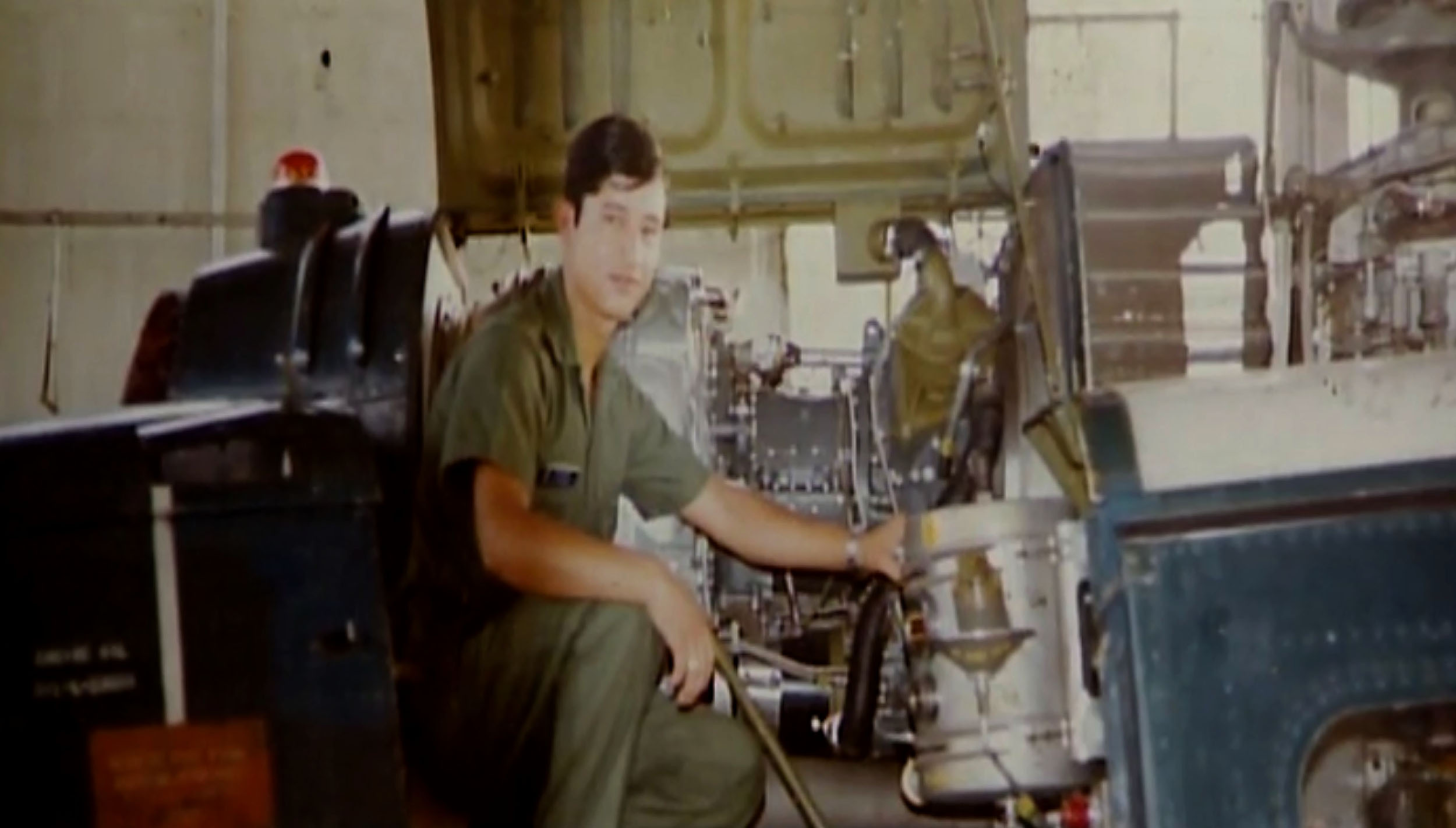
(Image from The Judge and the General.)
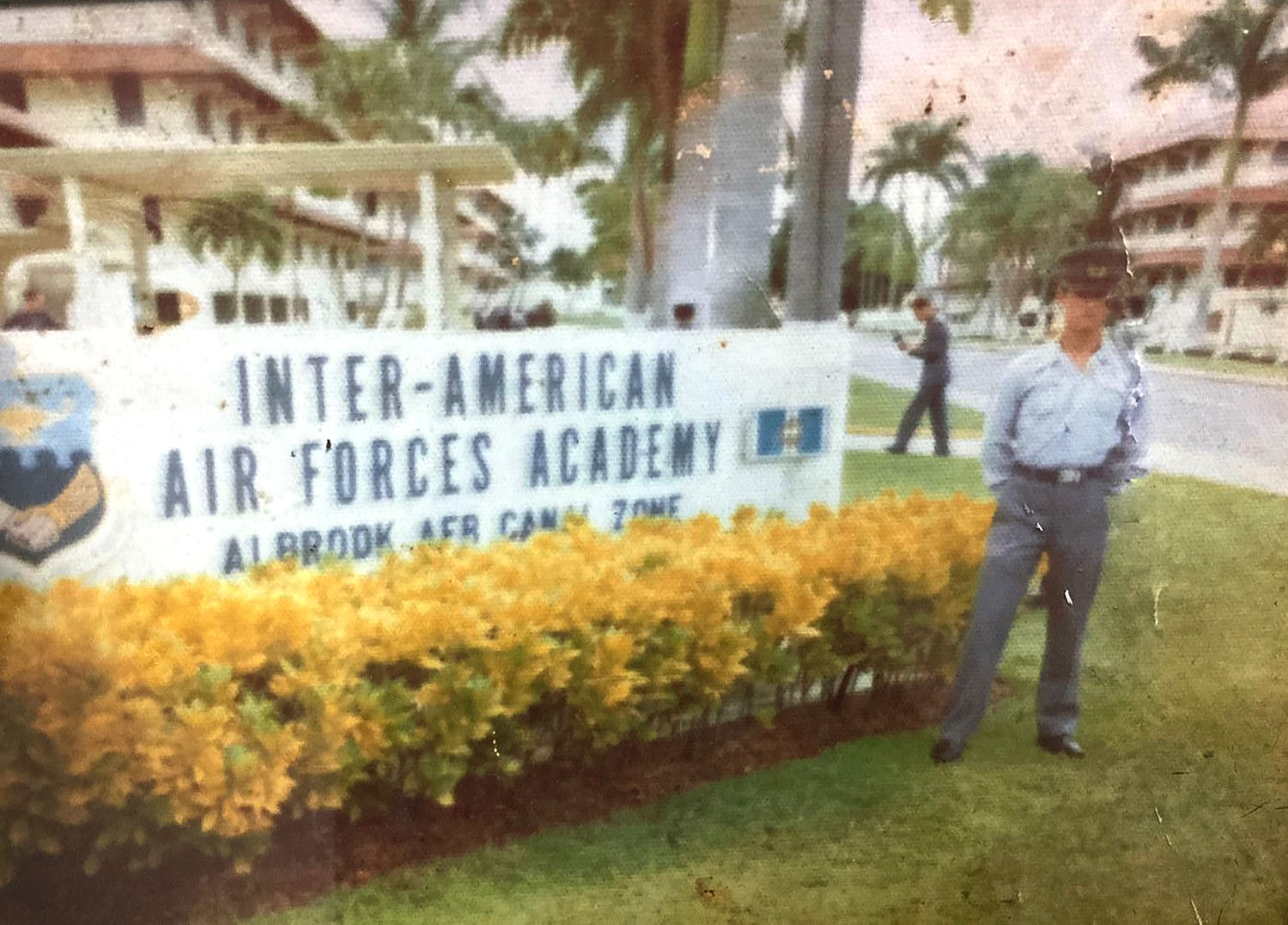

Right: Certification that Molina passed the Chilean Army’s advanced helicopter mechanic course, 1978.
(Images from The Judge and the General.)
How many people do you think might have been thrown…?
I’ve told the judges, I know I can safely say there are around 1,000 people in the sea. Hundreds of people. Because I remember a companions’ comment: “We threw in 8 people here, 8 people there, over a period of years…” and then I had to do this myself. There were flights every three days, then sometimes almost every day. And you add it all up, and conclude that there must be hundreds of people in the ocean. Others were thrown into the mountains and still others into volcanoes. My own colleagues told me: “I went and we threw people into the volcanoes.” Afterwards they stopped doing this, because the volcano is very hot, so the helicopter has to fly very high, because of not it could fall into the volcano.
When was the first time you had to do this yourself?
In November 1979. It was a Friday, around quarter to five in the afternoon, and we were cleaning. The emergency helicopter was at the end of the runway, it was always there, ready for any emergency. And I saw an off-white Chevrolet truck with dark windows, and it parked near the helicopter. Ten minutes later they assigned me to go in that helicopter. After we finish, they say, I will be sent home in a vehicle, because we would be coming back late at night. So, I went to get my flight suit and helmet, and when I got to the helicopter, I opened the pilot’s door and the co-pilot’s door. That helicopter had already been checked, so it wasn’t necessary to do a flight check-up. The truck headed off, and I saw the pilots coming and one of the pilots told me: “Hurry, we’re leaving now!” I got in front of the helicopter and signaled that he could turn on the engine.
After that, I opened the door to get in, and I saw a man’s body on the right side, in a burlap bag and parts of a railroad track. I looked the other way, and saw a girl on the left, I saw her leg and a piece of her dress. At that moment, I got a chill and I thought to myself: “Oh my God, now it’s my turn!” I would have to do it. I closed the door halfheartedly, got into my seat, and spoke to the pilot, he told me to close the door — he didn’t want to see anything. So, I closed it, and the pilot said, “We’re heading directly to San Antonio [a coastal town around 1 hour from Santiago], and we left. Their conversations were also very half-hearted because they also knew we were going on this very difficult operation.
We got to San Antonio and a man who was sitting in the back of the helicopter threw the bodies out. I knew they’d been thrown out because the helicopter has a green light and a red light. The men knew by the lights when we had flown 10 or 15, even 20 minutes over the ocean. The helicopter stopped, about 10 meters above the surface, a green light turned on, and the man who actually threw the bodies in (that time it was only one person) gets up, opens the door, throws a body in, opens the other door, throws the other body in. Then he closes the door and the light goes off, and we know the operation is complete.
You never saw exactly when they threw the bodies in?
No, no, no, the door was always closed. Fortunately, I never… I’m glad I never had to do it. If it affects me this much to have been an eyewitness, imagine what it would have been like if I had actually thrown the bodies in. No, there were special people designated for that! And when we threw eight bodies, there were five people to do that.
In my mind I thought, “To think that the relatives of these people have no idea what is happening with their relatives!”
On the first trip, you said you opened the door and discovered a leg, a young girl, her shoe…
Yes, you could tell by her leg that she was young, with a white dress. Unfortunately we never saw faces, and so we were unable to give a better statement, to identify anyone.
Tell us about your second trip.
That trip was in June 1980, approximately at one o’clock. I was in the cafeteria eating when they told me I had to fly to the Peldehue military complex.4 I took my helmet, my flight bag, and I checked and prepared the helicopter. The pilots arrived, we got in, and flew to Peldehue. That was the first time I had been to Peldehue, but those who knew that place said it was the Paratrooper School. So I got to that unit, we left the helicopter stationed, I checked it again. And then a soldier told me that the pilots had told me to go over a hangar about 30 meters away, where they had a lunch there every weekend, two empanadas and some wine or pop. So I went, I closed up the helicopter and found two friends of mine who were paratroopers. After speaking for half an hour, while eating, I looked towards the helicopter (because it’s like your car, you have to look at it every once in a while) and I saw two trucks this time, one on each side. The exact same trucks I had seen last time.
So, I thought to myself: “This is going to be the same thing all over again. And it’s going to be worse, because there are two trucks this time. And why did they order me to leave the helicopter alone?” And one of my colleagues saw my face and said: “Hey, what’s wrong?” I couldn’t tell him, so I said I had a headache from the flight. And I felt very strange. About half an hour went by, and I started looking over there more often, but it was really hard to see anything, because the trucks were on the cargo side. So, then the trucks left, and a soldier came to tell me the pilots were ready to begin the flight.
I went to the helicopter, and I didn’t want to open the door and look inside, because I knew what I would find. So, I opened the pilot doors, and then I saw them coming over. They said: “Everything ready, Molina?” They got in, just like the first flight, and that’s when I lowered the window, because I knew we were going to throw these bodies into the ocean. And I felt such a strong stench, like chloroform. People who know about this have told me it might have been an injection they put into these bodies, and they even might have been alive and drugged.5 And that’s when I saw bodies all over the place, bodies inside potato bags scattered. And the railroad tracks — pieces of iron of about one meter — and each one must have weighed at least 30 kilos. And those tracks must have been cut not long before because they still had sharp edges.
I sat down next to the pilots. Both pilots were upset, we closed the door and went directly towards El Quisco which is where we dropped the bodies.
By deduction, from Peldehue we flew directly to the sea, and that corresponds to the area of El Quisco. And then we went about 25 minutes into the sea, because it was daytime and people might have noticed what we were doing. And the Lieutenant, who had radio communication with us, informed us that we were out at sea.
The pilot told us that when the green light was on, and I mentioned that I had already been on a trip before. They opened both the side doors and the bottom hatch used for cargo. How do I know? Because the blood was all over those areas {in the helicopter} afterwards.
These people were bleeding, probably recently killed, or gutted, I don’t know. I think there must have been 8 or 9. There was blood all over, and that was what helped me leave my unit. I wanted to leave. I refused to clean it. I didn’t want to clean it up, I couldn’t stand the smell of the blood, and I knew it was human blood. I left the helicopter like that and I was punished for that, they placed me under arrest for 20 days. After that they discharged me, they took away my weapon, because I didn’t want to continue doing these flights. They arrested me and sent me to the Military Hospital and kept me there for a month.
I was discharged in the worst way. I got evicted from the military housing complex and they stole my things, but at least I thought I was going to be at ease in my house, and I could leave all this behind. But I wasn’t blaming the Army, I was blaming certain people, because on the contrary, I love my institution. Because three or four people aren’t the entire Chilean Army. That was my unfortunate situation, which led them to fire me in the worst way.
PART 2 OF THE INTERVIEW will be published in July 2023
References
- Chile’s Presidential Palace.
- Molina refers to an incident that occurred at the eastern exit of La Moneda, on Calle Morandé.
- The term “Good Humor Caravan” (Caravana del buen humor) referred to a humorous radio show broadcast in Chile from 1964.
- Peldehue is a training school of the Chilean Army in the outskirts of Santiago.
- In Judge Guzmán’s investigations there are testimonies of former state agents who described how some political prisoners were injected with poison before being thrown in the sea. https://www.elmostrador.cl/noticias/pais/2013/07/31/descubren-rieles-con-que-lanzaron-al-mar-cuerpos-durante-la-dictadura-de-pinochet/
