
By Emily Fjaellen Thompson
The conversation series Fotos Desaparecidas (Disappeared Photos) consists of virtual conversations and hybrid exhibitions of photographs from Ayacucho, the epicenter of the Peruvian Internal Armed Conflict (1980-2000). It is organized by Emily Fjaellen Thompson, a Ph.D. Candidate in Sociocultural Anthropology at the University of California, Berkeley, and hosted by the Center for Latin American and Caribbean Studies at that university.
On the 20th anniversary of the publication of the Final Report of Peru’s Comisión de la Verdad y Reconciliación (CVR, Truth and Reconciliation Commission), this event series focuses on the legacies of unpublished photographic archives in collaboration with professional and amateur photographers and their families.
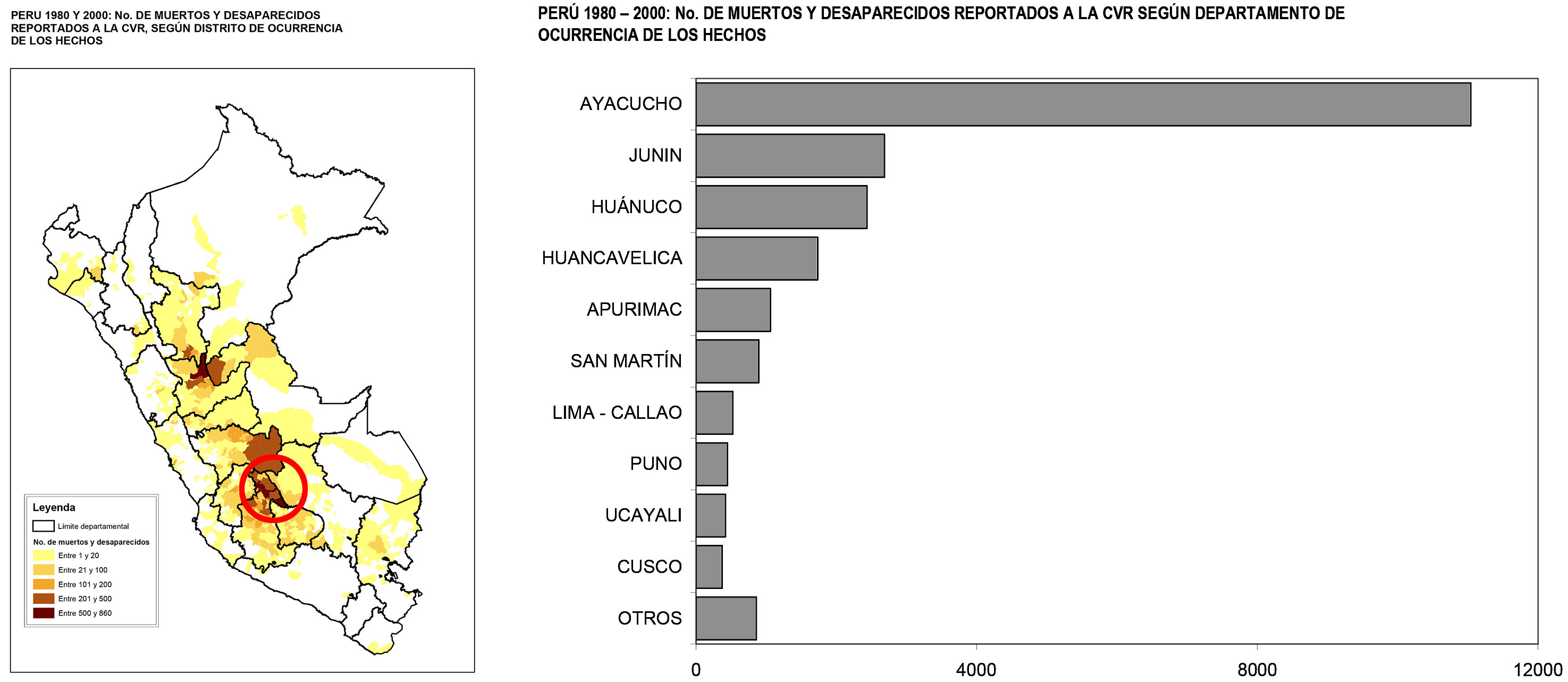
According to the Final Report, of the nearly 70,000 people killed, 75% were Indigenous (the majority Quechua), and 40% were from the Andean region of Ayacucho. This series provides a space for photographers from Ayacucho to connect with other artists, curators, and academics around the importance of recognizing disparate memories in the context of Peru’s current political turmoil. Fotos Desaparecidas consists of six conversations based on a selection of images from the photographers´ personal archives and centers on the relationship between photography and memory in the aftermath of prolonged violence.
I. Carlos Valer and Jaime Urrutia, Conversation on September 28th, 2023
Carlos Valer was born in Lima in 1950 and grew up between Apurímac and Cusco. Since 1966, he has lived in Huamanga, Ayacucho, studying and working in different capacities in areas of communication and outreach at the Universidad Nacional de San Cristóbal de Huamanga. Jaime Urrutia holds degrees in history from the Universidad Nacional San Cristóbal de Huamanga and Université Paris I Panthéon-Sorbonne. Urrutia collected regional histories for the Peruvian Truth and Reconciliation and Commission and helped draft the Commission´s final report. He is currently Head Researcher at the Instituto de Estudios Peruanos and lives in Ayacucho. “Conversatorio I: Carlos Valer and Jaime Urrutia” (video 56 min, in Spanish)

II. Edilberto Oré and Juan Mendoza, Conversation on October 17th, 2023
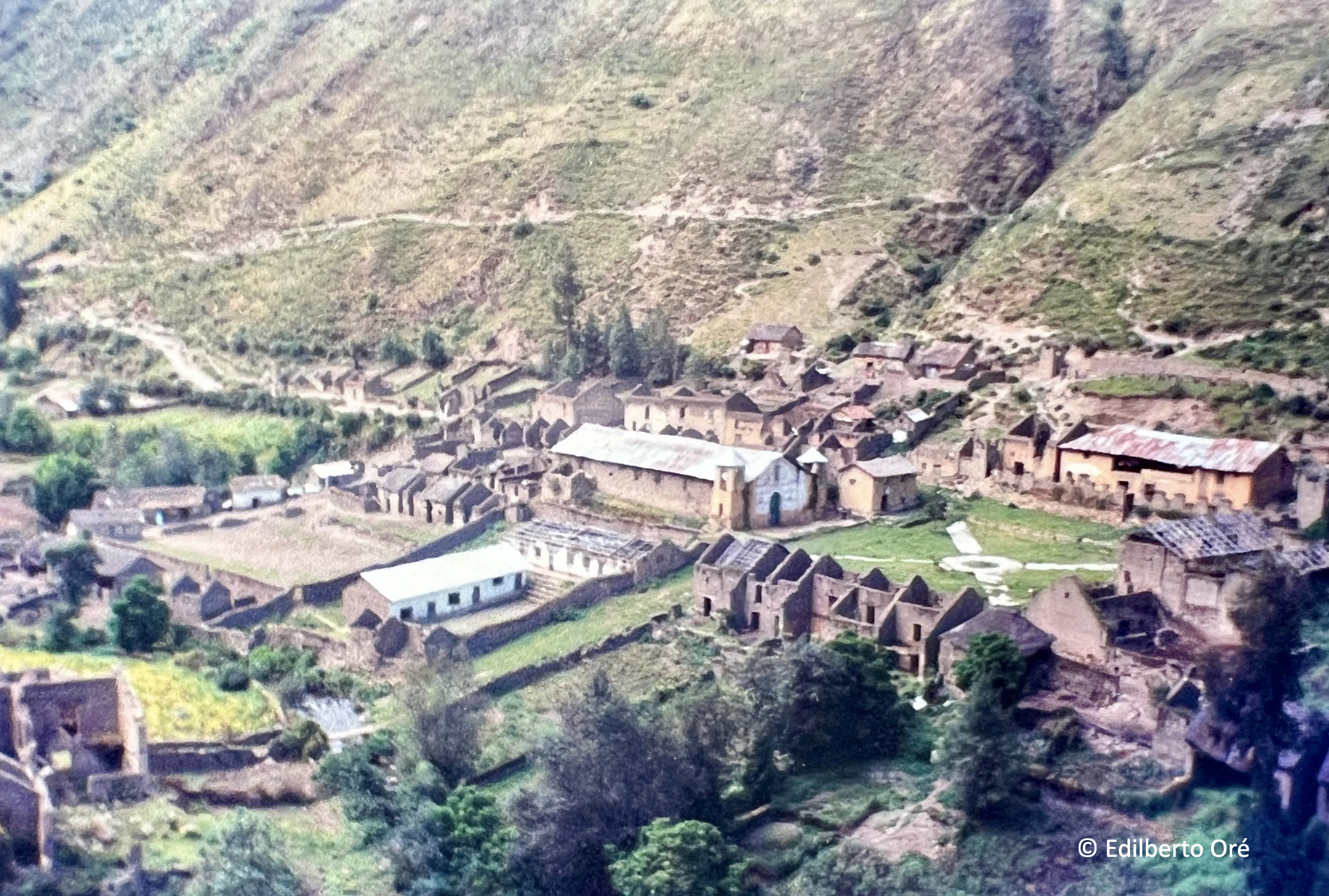
Born in 1953 in Lambras, Ayahuanco District, Huanta Province, Ayacucho Department, Edilberto Oré entered the National Universidad Nacional Mayor de San Marcos in Lima but stayed in Lambras from 1977 onwards, abandoning his studies to care for his family and land. He was appointed District Justice of the Peace in Lambras until the insurgency reached the town in 1982, forcing him to resign along with all other authorities. In 1984, when the military arrived to establish bases to fight the insurgency, he was proposed to be district mayor but declined the position. Due to the insurgent and counter-insurgent actions, he moved to Huancayo in 1987. There, in 1994, the Ayahuanco District Reconstruction Committee was formed, where he was appointed president until 1999. Today, Oré alternates his activities between Huancayo and his hometown as a leader of the displaced persons’ organization, father, social researcher, and writer. Juan Mendoza was born in Cusco, where he studied at the National School of Sciences and graduated as a Chemical Engineer from the Universidad Nacional de San Antonio Abad of Cusco. He worked with Peru’s Asociación Pro Derechos Humanos (APRODEH, Association for Human Rights) in the Department of Displaced Persons, and worked with other institutions to support the organization of the civilian population affected by the armed conflict. Currently, he is the Director of the Collective: Mirar Medir Componer y Crear (MMCC, Look Measure Compose and Create), and has developed various exhibitions and participated in the recovery of important regional archives. “Conversatorio Ii: Edilberto Oré and Juan Mendoza” (video 72 min, in Spanish)
III. Hugo Ned Alarcón, Conversation on November 17th, 2023
Hugo Ned Alarcón (1942-2024) was a prominent journalist from Ayacucho who played a fundamental role during the period of the Internal Armed Conflict. Recipient of several awards and recognitions, he was a correspondent in Ayacucho for La Prensa, El Comercio, Expreso, and Caretas, among others. He also collaborated with foreign press organizations such as UPI (1980-88) and Associated Press (1990-2015). One of his facets — perhaps the least known — is his work as a photographer. Nevertheless, his photos appeared on the covers of Caretas and other publications. “Conversatorio III: Una mirada a lo cotidiano. Hugo Ned Alarcón” (video 42 min, in Spanish)

IV. Alejandro Coronado, Conversation on March 5th, 2024
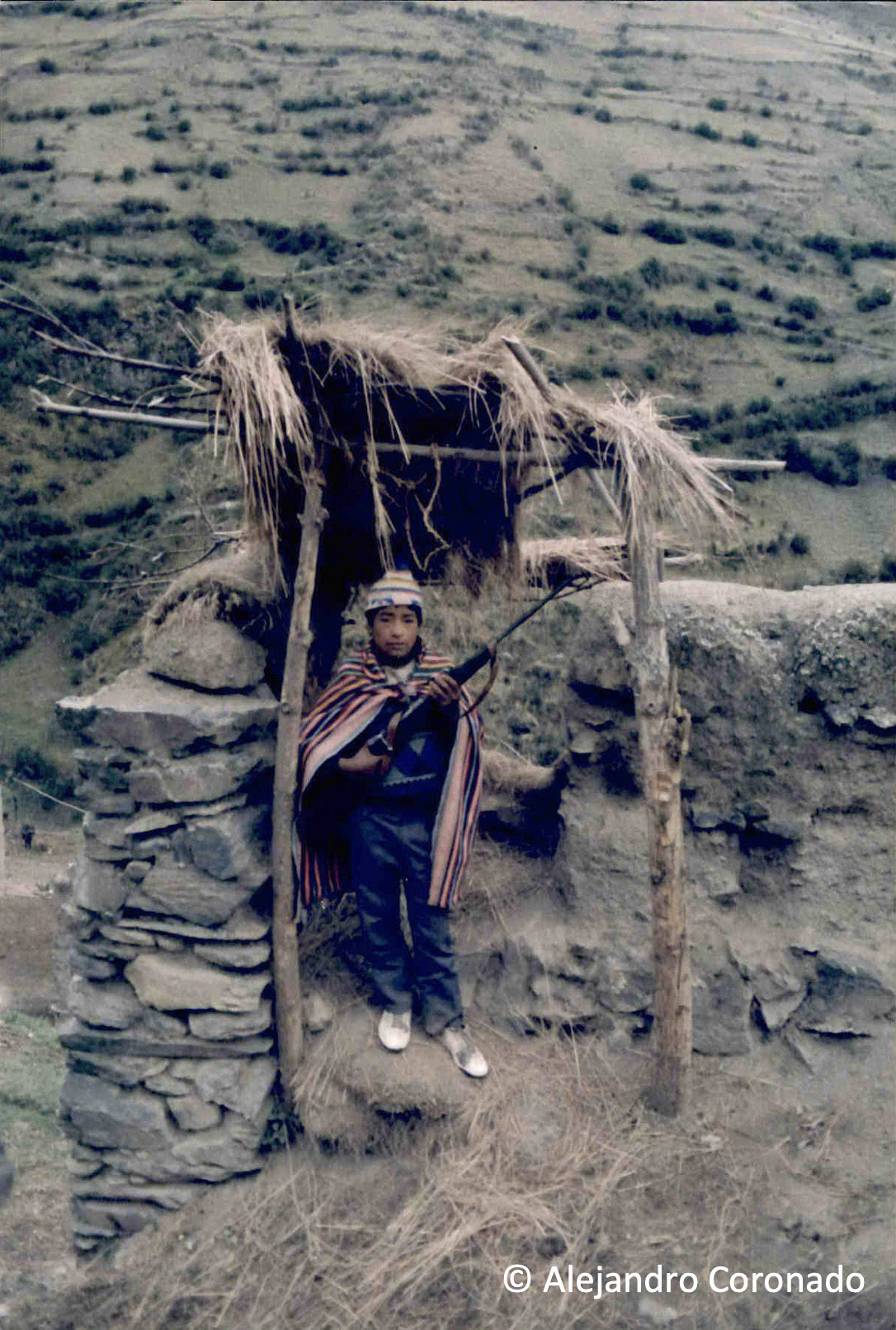
Alejandro Coronado began his journalism career in Huanta, Ayacucho in 1980 at Radio Esmeralda. During the internal armed conflict, he worked for other local media outlets like Radio Amauta and Radio Huanta 2000, and held correspondent positions for national media such as La Crónica, La República, and Expreso. Since 1985, he has been a correspondent for Caretas. He worked alongside journalists who were murdered by the army and Shining Path, as well as another journalist who was disappeared. In 1983, he was detained and kidnapped by the army and was released after pressure from national media. In 1991, his home was dynamited by Shining Path for not reading a propaganda message on air. Coronado is the only journalist from Huanta who survived the period of violence; his colleagues were murdered or disappeared. During the conflict, he obtained important film and photographic records, some of which were included in the Truth and Reconciliation Commission’s final report. In 1993, he won a scholarship to Duke University, which led to exhibitions at universities showcasing the period of violence. He continues to work as a journalist, locally at a television station he owns, and as a correspondent for América Televisión and Canal N. “Conversatorio IV: Alejandro Coronado Reyes” (video 52 min, in Spanish)
V. Sharmelí Bustíos Patiño, Conversation on April 2nd, 2024
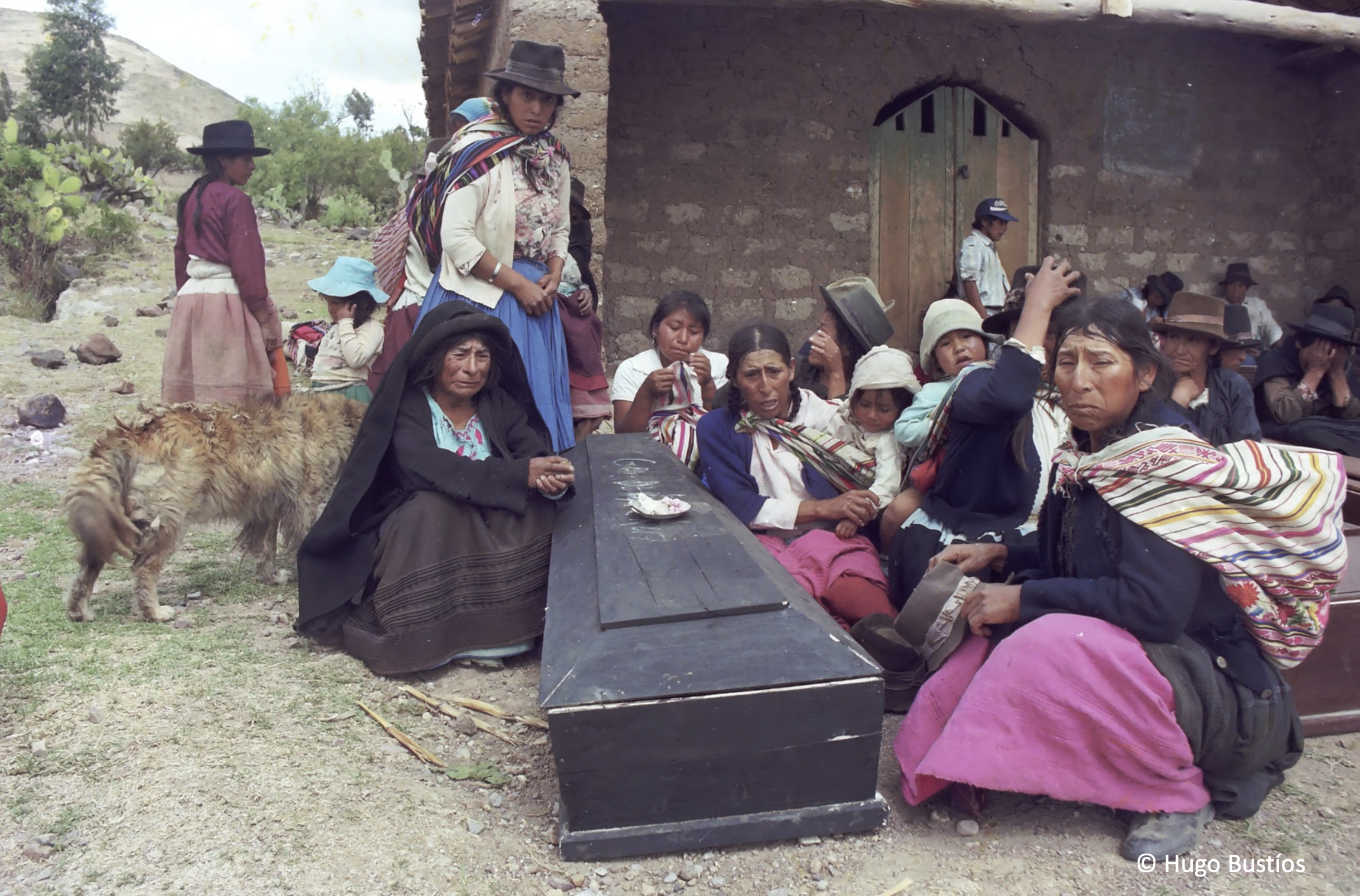
Sharmelí Bustíos Patiño is a journalist and human rights activist who defends memory and fights against impunity. She is the eldest daughter of Margarita Patiño and Hugo Bustíos. Her father was murdered in 1988 while practicing journalism during the period of violence in Peru. Since then, together with her mother, she has embarked on a long struggle for justice. After 34 years, one of the perpetrators of the murder was sentenced to prison on April 12, 2023. Her parents are her main sources of inspiration for life, struggle, and resistance. “Conversatorio V: Sharmelí Bustíos habla del rescate fotográfica de Hugo Bustíos” (video 53 min, in Spanish)
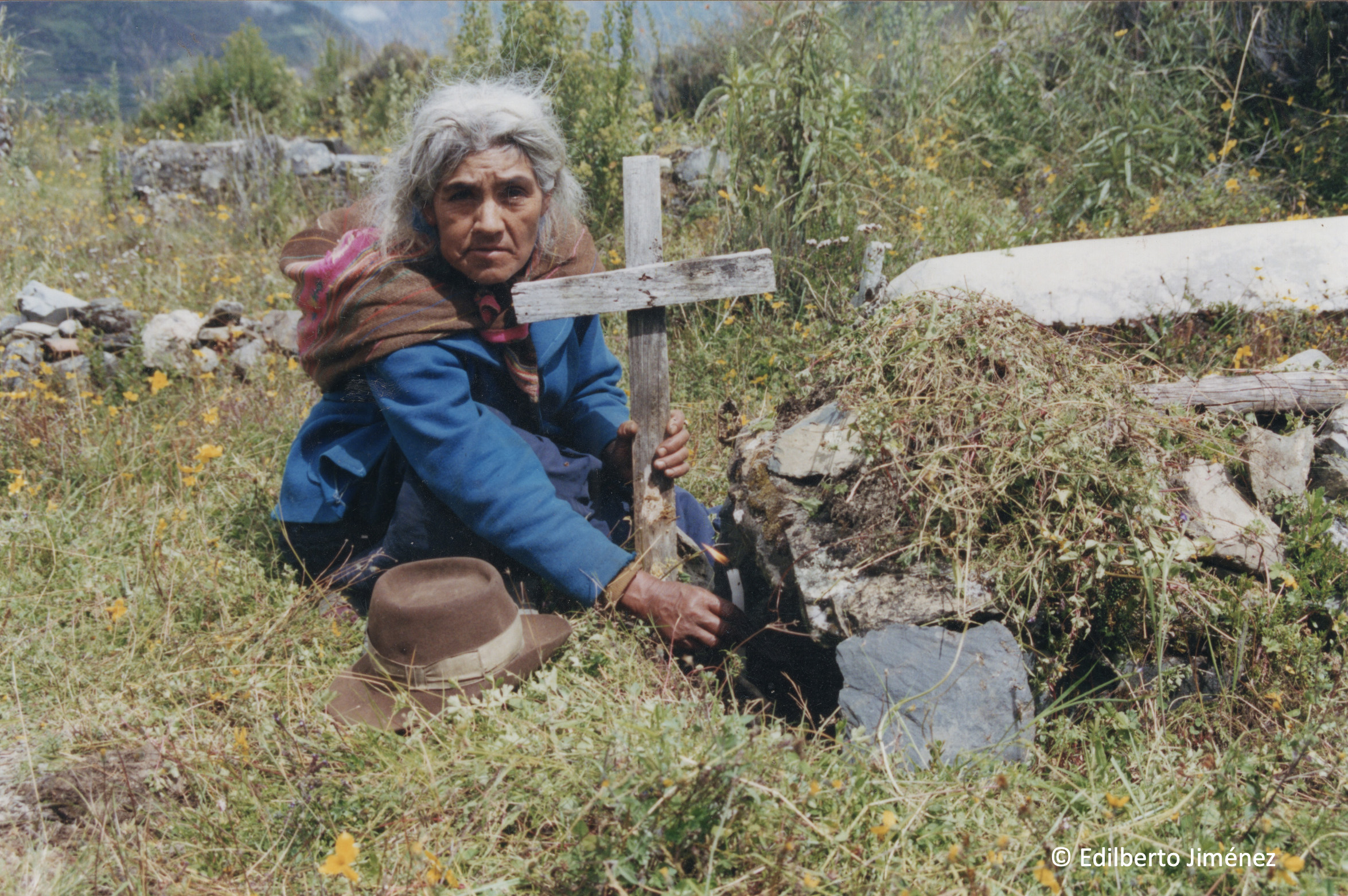
VI. Edilberto Jiménez, Conversation on April 30th, 2024
Edilberto Jiménez is a journalist, artist, and anthropologist who graduated from the Universidad Nacional San Cristóbal de Huamanga, Ayacucho. Considered the most prominent Peruvian retablo maker, he has won awards at various national and international events in Europe, Asia, and America, such as National award at the Biennial of Masks, “Meritorious Personality of Peruvian Culture,” and National Human Rights Award. Jiménez has given lectures in England, Germany, Japan, Colombia, Guatemala, Brazil, Mexico, among other countries. In 2002-2003, he was a member of the South-Central office of the CVR. He is director of the magazine “Retablo: Art and Culture,” co-author of the books “Lucanamarca: Memories of Our Town” (COMISEDH, 2007), “Crafts of Ayacucho” (FOPTUR, 1987), and author of the books “Chungui: Violence and Traces of Memory” (IEP-COMISEDH-DED, 2009) and “New Coronavirus and Good Governance: Memories of the COVID-19 Pandemic in Peru” (IEP-Embassy of Spain in Peru, 2021). He is the protagonist of the documentary “Chungui: Horror Without Tears” by Buena Letra Productions, directed by Felipe Degregori. “Conversatorio VI: Edilberto Jiménez” (video 56 min, in Spanish)

Emily Fjaellen Thompson is a Ph.D. Candidate in Socio-Cultural Anthropology at UC Berkeley. Her dissertation considers the uses and lives of images, particularly unpublished photographs, in the wake of the Peruvian internal armed conflict. As a Fulbright DDRA-Hays Fellow in Peru, she focused on the relationship between photography and memory, and how images enable us to construct narratives around traumatic pasts. She is co-author of the first tri-lingual Quechua-Spanish-English dictionary to be published in the United States.

Leave a Reply