
By Antonia Mardones Marshall
Since the return of democracy in 1990 after Augusto Pinochet’s 17-year dictatorship, Chile, while being praised for its democratic stability and economic growth, has rarely been in the global spotlight. That changed drastically in October 2019, when after an increase of 30 pesos (3 cents) in the subway fare high school students led a call for fare evasions, and Chilean police responded with violent repression. These events ultimately triggered the largest protests in Chile’s democratic history, bringing millions of people into the streets throughout the country. The protests didn’t have a clear group of leaders or unifying demands, but instead reflected a general feeling of precariousness, distrust of politicians, and discontent with the prevailing socioeconomic model. Over the course of the movement, protestors presented a wide array of diverse demands that were unified through the concept of “dignity.”
Social uprisings like the one experienced in Chile have happened throughout world history, the present protests in Iran being just one of the latest examples. What makes the Chilean experience particularly interesting and unique is that the social unrest was channeled institutionally to open the possibility for structural change. As a way of calming social unrest, a majority of political parties reached an agreement, some of them against their own interests and convictions, to call for a national referendum to decide if the people wanted to change the Pinochet-era Constitution. This Constitution was responsible for institutionalizing the “neoliberal experiment” in Chile, and had been identified by progressive social movements as the main obstacle to enacting reforms that could bring more social justice to the country.
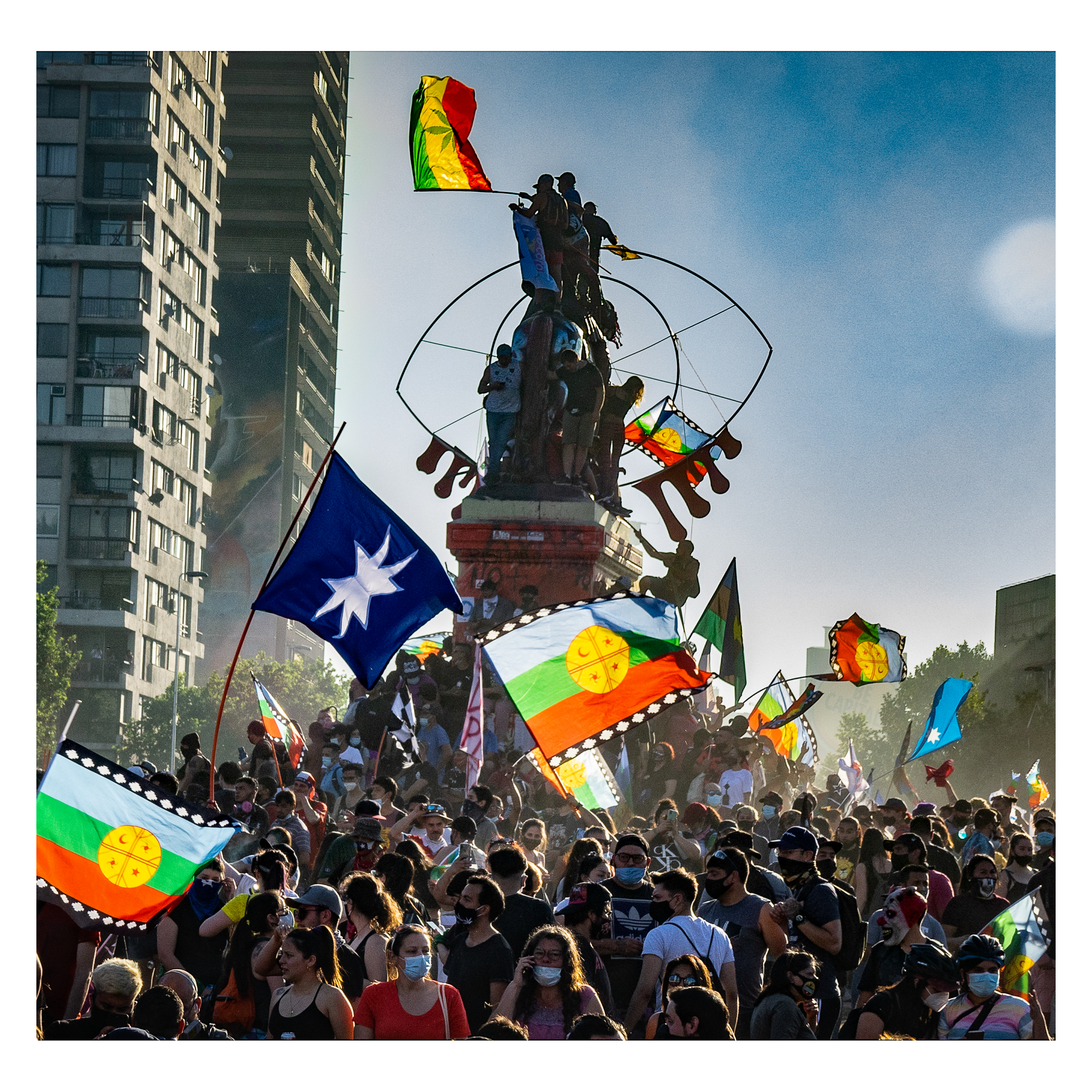
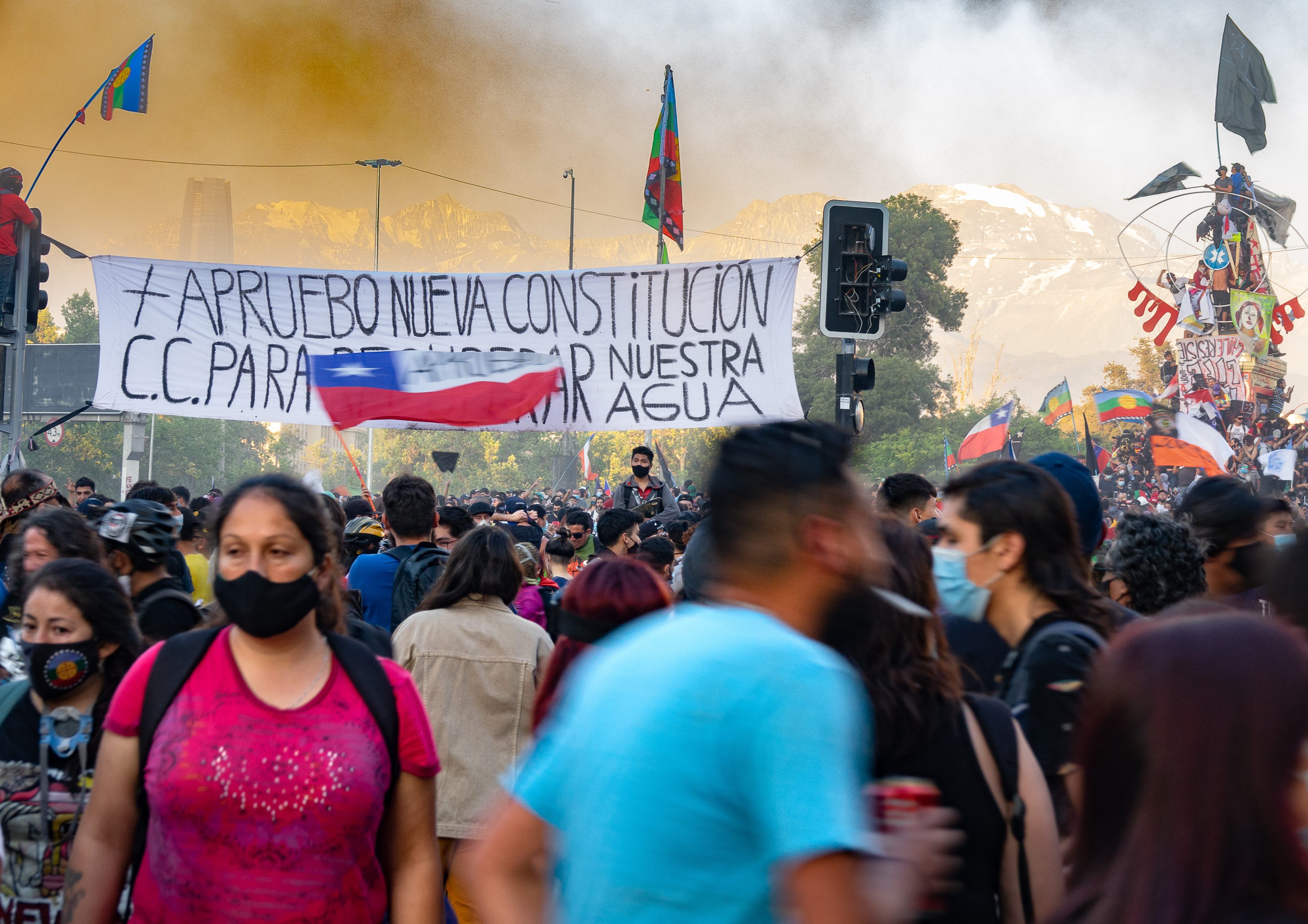
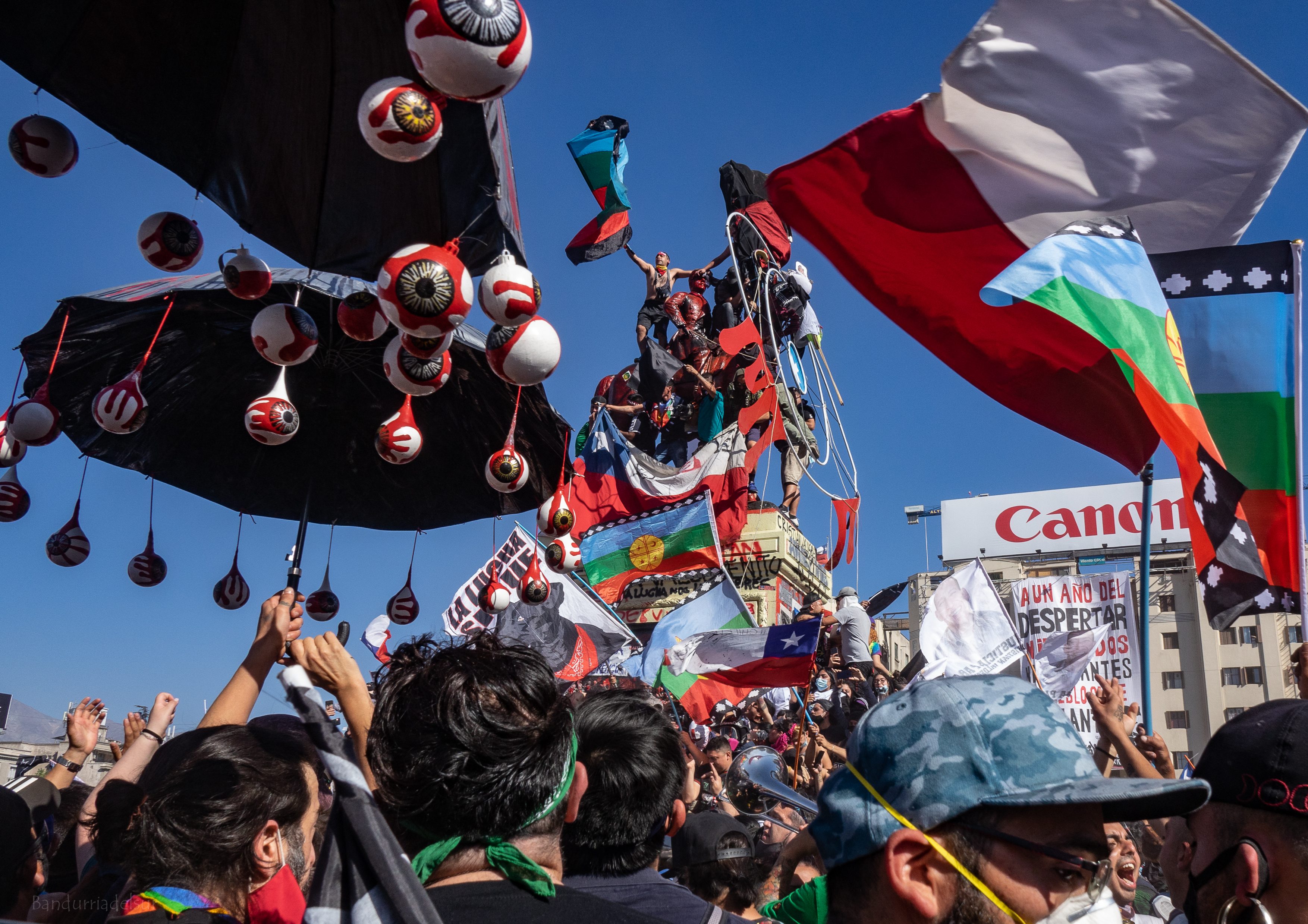
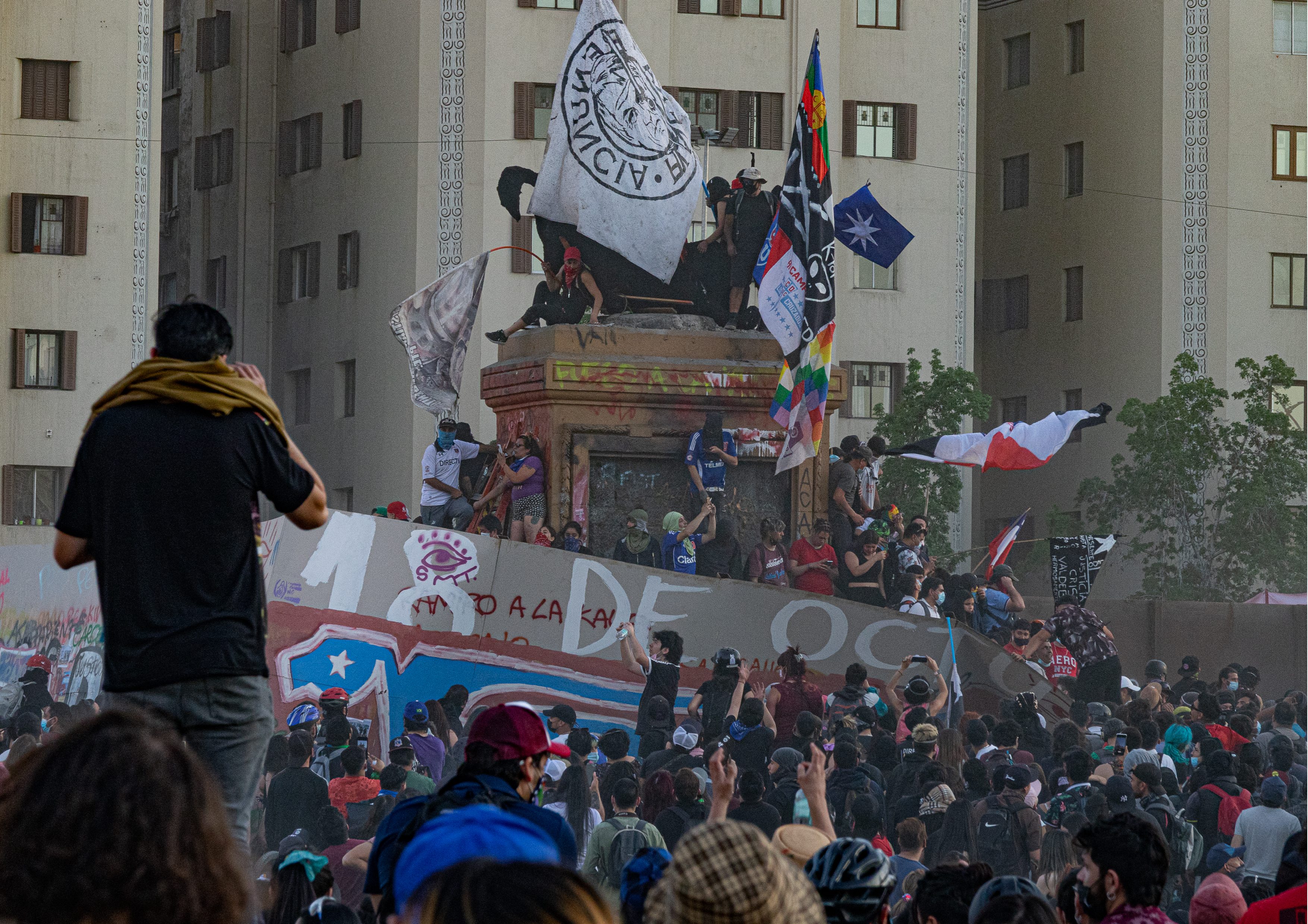
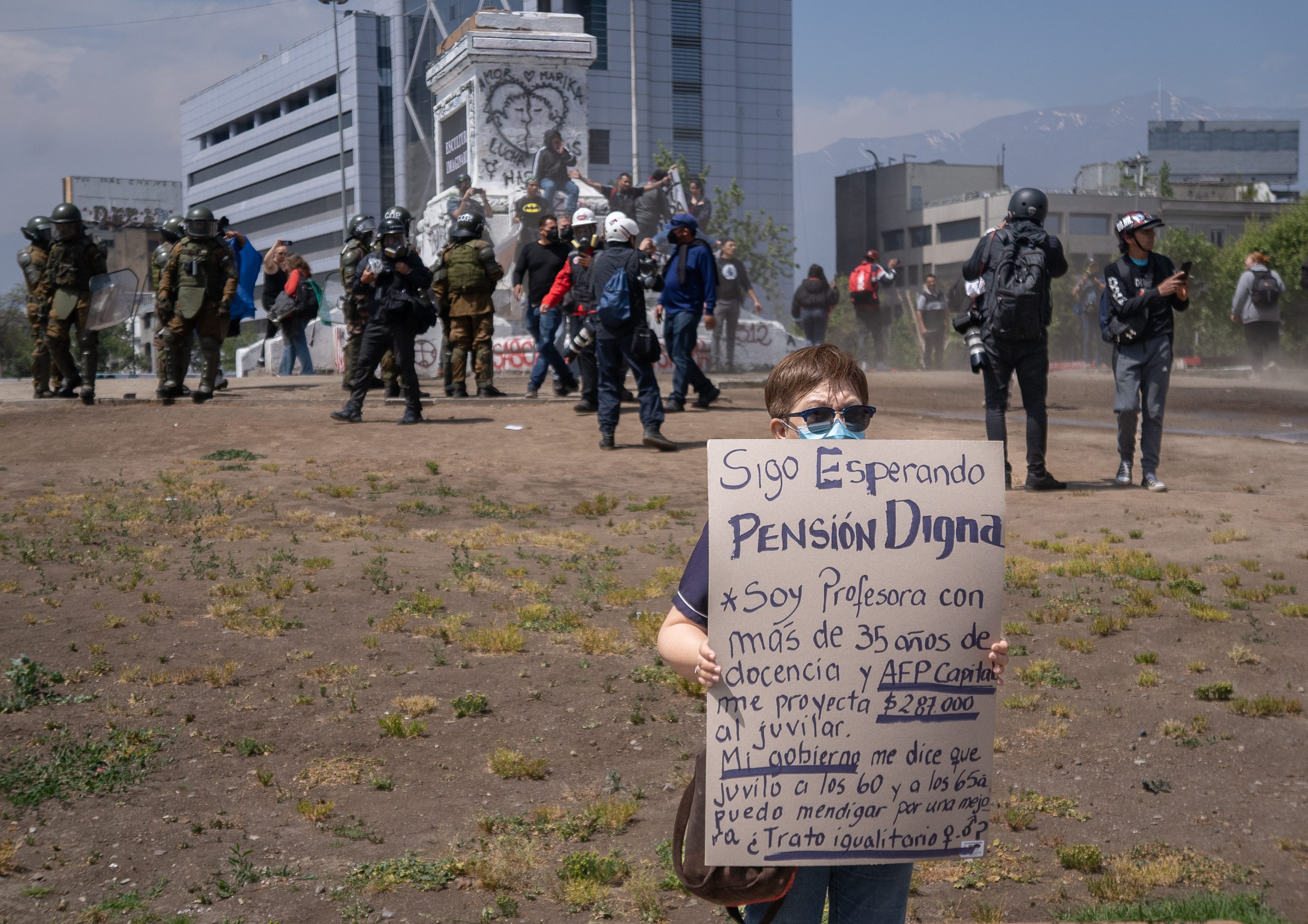
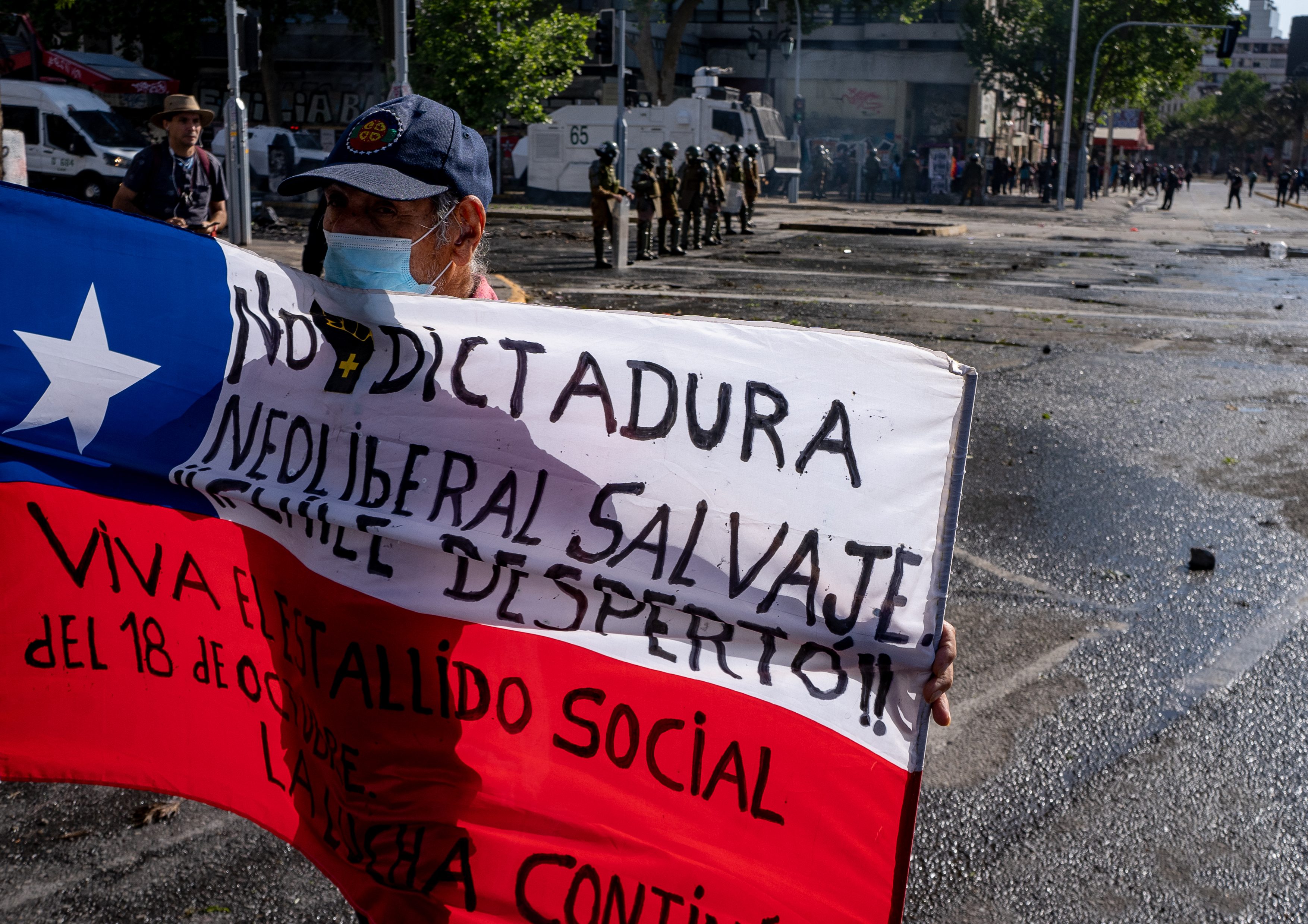
In October 2020, amid the COVID-19 pandemic, nearly 80% of Chileans voted in favor of engaging in a democratic process to replace the Constitution with one written by a Constitutional Convention elected by the public for that exclusive purpose. The election of the Constitutional Convention members, which took place in May 2021, included unprecedented rules to secure gender parity, reserved seats for Indigenous peoples, and allowed for the participation of people independent from political parties. This prompted the election of an extraordinarily diverse Convention, which not only had gender parity but also included members of both traditional and new political parties, representatives from each of the Indigenous groups recognized by the Chilean state, and a diverse group of independent members, many of them activists representing social movements. The Constitutional Convention was charged to draft a proposal of a new constitution within one year, after which the proposal would be submitted for a new national referendum to secure the approval of the voters.

The Convention presented the final text to the country on July 4th, 2022, and the ratification referendum took place two months later on September 4th. Against all expectations, the proposed Constitution was rejected by 62% of the population, with the most massive turnout in the country’s history due to the establishment of mandatory voting for this referendum. Although polls had been showing a loss of support for the proposed constitutional text in the preceding months, nobody imagined the scale of the defeat that the constitutional process would suffer. This marked the first time in global history that a country has rejected a constitution written through a popular assembly. How can we explain the strong shift in the population’s vote from the initial call for a new constitution to the rejection of the final text?
Right-wing parties and elites, who were absent during the campaign to reject the Constitution, in part as a strategy to make the rejection option appear non-partisan to the public, were quick to reappear on the scene and appropriate the referendum’s result as a triumph of conservative forces, arguing that the people did not want a refoundation of the country. Their campaign was strongly directed to appeal to the fears of vulnerable socioeconomic groups, spreading fake news such as: that the new constitution would not respect private property, and that people would have their houses and their pensions expropriated; that it created a new class of privileged Indigenous peoples while “regular Chileans” would end up as second-class citizens; and that abortion would be allowed until the ninth month of pregnancy, among other false stories. Through a heavily right-wing and concentrated media, conservatives succeeded in installing these ideas in the public imagination. However, it is also critical to analyze the failure of progressive forces to defend the constitutional process and proposal. This is my modest attempt to do so.

I believe that part of the “rejection vote” was not necessarily a rejection of the constitutional proposal itself, but of the members of the Constitutional Convention, as there were isolated situations that tarnished the image of the Convention. The most serious incident was the exposure of lies by a Convention representative, a man who had become famous during the social uprising as a cancer patient protesting for a fairer health system. He was found to have been lying about his disease, which produced his early retirement from the convention. This was followed by much smaller controversies of which the opposition to the convention was quick to take advantage, amplifying each event in the media even when there was no evidence. Indeed, the rejection campaign started from the beginning of the Constitutional Convention’s work, and was strongly focused on portraying the proceedings as a circus, worse than the delegitimized Congress, a campaign that resonated with the population’s general feeling of distrust towards politicians. Those who defended the process, on the other hand, did not have an adequate communication strategy to show all the progress that the Convention members were making, and the approval campaign didn’t start until the completion of the constitutional draft, when it was already too late to reverse public opinion. Furthermore, the approval option campaign was perceived as fragmented, and much of its effort attempted to counter the fake news stories spread about the contents of the draft constitution, with little capacity or resources to highlight the topics that were at the heart of the demands of the social uprising, such as improving the health, education, and pension systems.
A second factor was the significant larger body of voters, in which, against the predictions of the left-wing parties, new votes went mostly to the rejection option. The truth is that nobody knew with certainty how these new voters would behave, and it is hard to identify why they voted against a constitution that was likely to allow important improvements to their living conditions in the long term. Their votes were most likely driven by multiple factors. There were certainly those who did not want a new constitution and would have voted against it in the first plebiscite if voting had been legally mandated at that time. But others simply rejected the proposal because they disagreed with specific parts of it or with the alleged implications of particular articles in the draft. In this sense, these new voters found it easier to reject than to approve the proposal, even if they agreed with most of the text, because they expected that another constitution would be drafted in the future that they found more desirable. There was a rejection vote that was an expression of general distrust towards the political class; convention members were quickly identified with “politics as usual,” thanks to the strong opposition campaign that portrayed them as partisans defending their individual political goals and not the demands more deeply felt by the people, and as unwilling to compromise to arrive at a consensus with those who thought differently. Other voters expressed through their vote a fear of drastic changes that could create more instability in the context of a severe economic recession. There was also a vote of protest against being obliged to vote under threat of being fined; this was the first election in Chile in which the voting registration was automatic and the vote mandatory. Finally, there was a vote of disapproval towards the new progressive government, which was seen as linked to the referendum’s fate. Indeed, some months before the plebiscite, this new administration opposed a bill in Congress that would allowed people to withdraw money from their pension savings due to the possible inflationary effects. That position strongly decreased the government’s popularity, and a percentage of the rejection vote was likely a “punishment vote.”

An alternative explanation, one on which actors from the whole political spectrum have insisted, is that the election results signified a defeat of “identity politics,” given that the constitutional text had a large number of particularistic demands that did not resonate with common people. This argument has been used to attack the advocacy of rights for groups that have long been excluded from political decision-making, such as Indigenous peoples, women, and the LGBTQI+ community. And although it is likely that ideas such as “plurinationality” were perceived as threatening in a country that for 200 years has been told that we are one single nation, or that feminism is still an alien idea in the rural world and among the working classes, it is also a mistake to dismiss the importance of including marginalized populations into our new social contract, and assuming without proof that cementing their rights was the reason for the Constitution’s defeat. However, I do believe that there was a lack of strategic coordination among the convention members due to the fragmentation between social movements at the start of the social uprising, as well as the distrust those movements’ representatives had towards Convention members from political parties. This made it hard to reach agreements and prevented progressive convention members from constructing a coherent and unified constitutional project that presented an alternative to the neoliberal model. The defenders of the status quo thus found it easy to frame the new Constitution as a threat to family, property, and the nation.
In retrospect, one could conclude that the leftists and progressive forces had an overly optimistic reading of the political moment after the 2020 plebiscite and the 2021 Convention member elections. Their imagination was captured by the idea of the people finally “awakening” from a state of numbness and thus finally supporting the left-wing’s historical demands. They were not wary enough about the growth of the extreme right demonstrated by the results of congressional and first-round presidential elections of November of 2021. These seemingly contradictory election results become more coherent if we look at them instead as different expressions of discontent and distrust, first towards “politics as usual,” people voting for change and therefore for a new Constitution in 2020, and then for convention members outside of traditional political parties in 2021. And second, distrust of the current progressive government and the Constitutional Convention, which ended up becoming another example of “politics as usual” in many people’s eyes.
Today Chile finds itself at an inflection point, and it is not yet clear if a new process to replace the Constitution will take place, or under what conditions. Ironically, agreeing to start another constitutional process is now in the hands of the same political class which the protests started against in the first place. Right-wing parties feel overly empowered by the recent referendum results, most likely repeating the left-wing’s mistake of reading the plebiscite as a victory for their politics and not as an expression of discontent. However, I want to believe that the events of the past couple of years were not in vain, and that debates around universal social rights, the protection of the environment, and social justice in general have moved the needle of the political mainstream. Even though the constitutional proposal was rejected, I believe that the constitutional process marks the beginning of the end of neoliberalist consolidation in Chile and opens our imagination to other possible ways of thinking on how to live together.
Antonia Mardones Marshall is a Doctoral candidate in the Department of Sociology at UC Berkeley. She holds a Bachelor’s degree in Social Anthropology from the Escuela Nacional de Antropología e Historia in Mexico, and Master’s degrees in Socio-cultural Anthropology from Columbia University and in Sociology from UC Berkeley. Her research interests center on the intersection between international migration, racial and ethnic constructions, popular culture, and national identities, primarily focused in Latin America. Her most recent publication is titled “Who is Afro-Chilean? Authenticity struggles and boundary making in Chile’s northern borderland” at Ethnic and Racial Studies. Her academic work has been supported by the United Nations Development Fund for Women (UNIFEM), the Latin American Faculty of Social Sciences (FLACSO), the Fulbright Fellowship, the Comisión Nacional de Ciencia y Tecnología de Chile (CONICYT), the Social Science Research Council (SSRC), and by different fellowships and grants from Columbia University and UC Berkeley.

Leave a Reply