

By Shane Fallon
Stories of pink dolphins, anacondas, and piranhas piqued my curiosity to venture to the rainforest, or as it is called in Peru, la selva. My research finally brought me to this mysterious, tropical environment to learn more about Peru’s jungle gastronomy, which is unparalleled to any other place in the world.
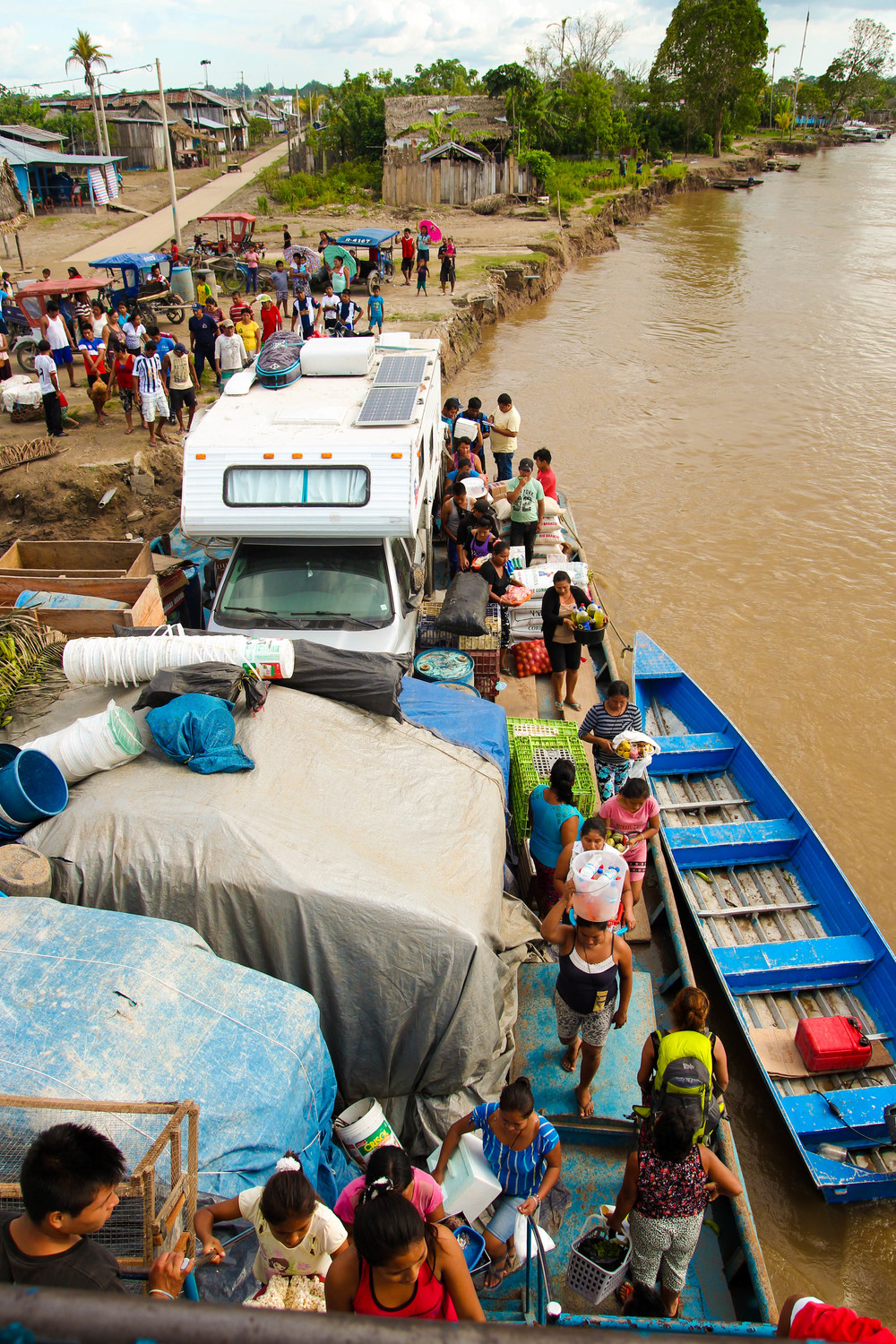
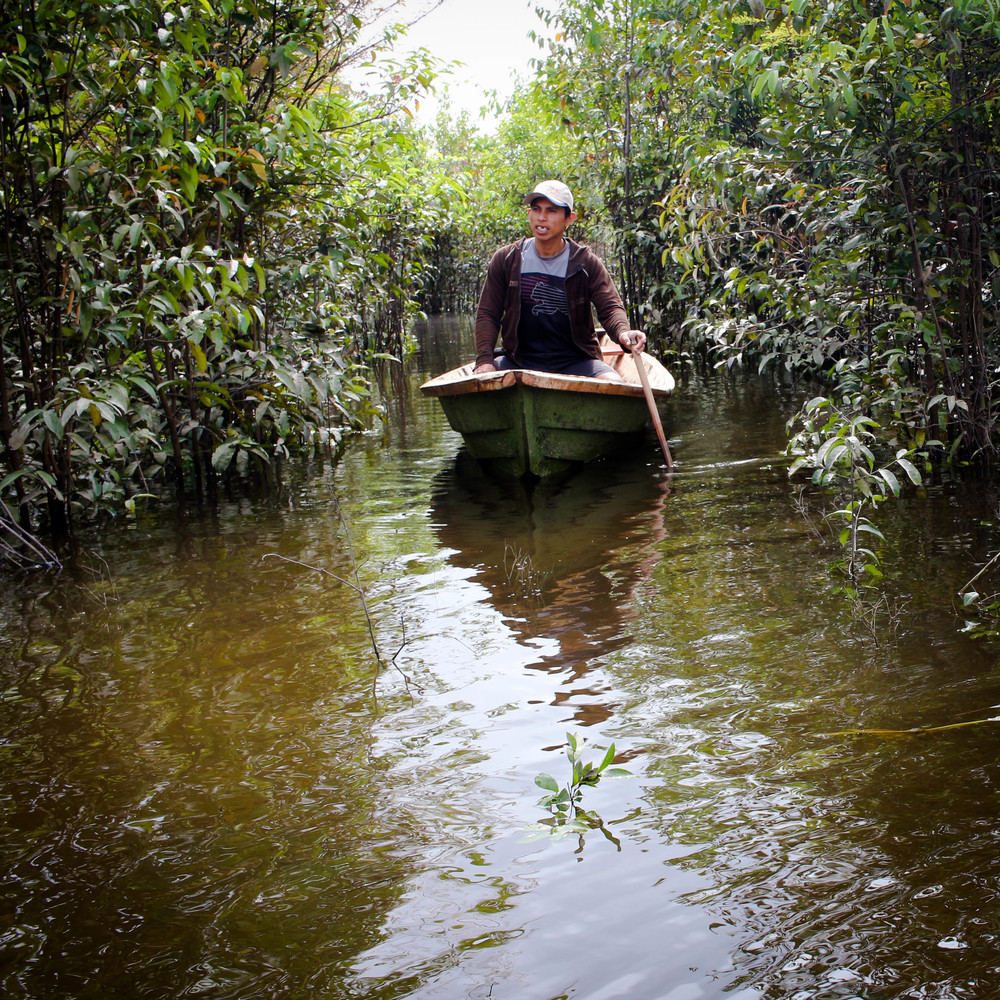
My Amazonian adventure began in Tarapoto, a city in Northeastern Peru positioned at the base of the Andean foothills. With a noticeably warmer climate than any other place I visited in the north, I welcomed the heat, yet covered myself up in long loose layers to protect myself from mosquitos. After spending two days in Tarapoto, I spent 3 days and nights sleeping in a hammock and cruising down the Amazon River to reach Iquitos, the largest city in the world not accessible by road.
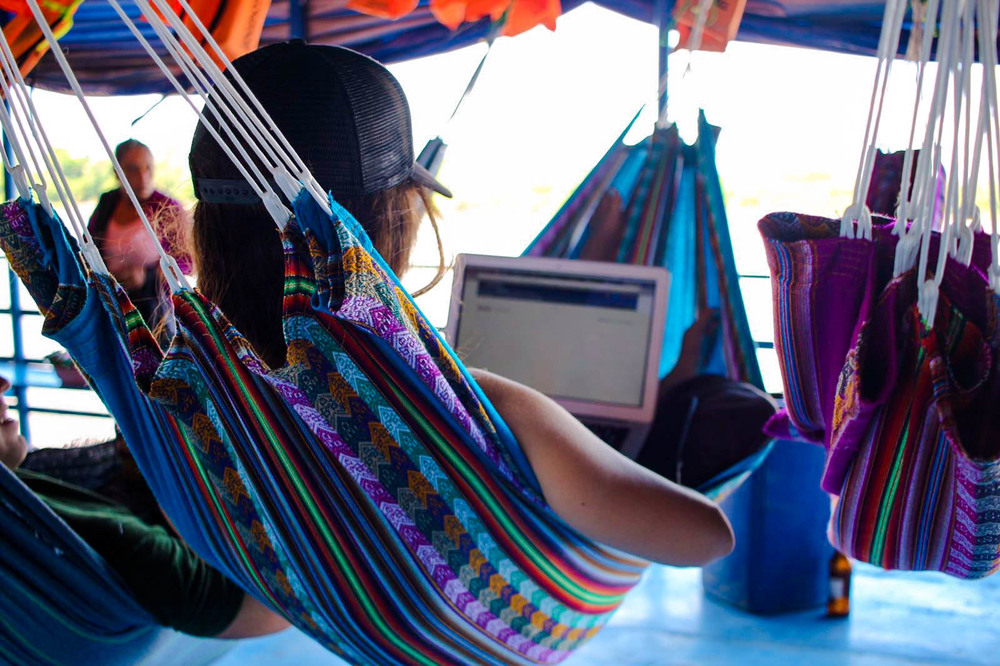
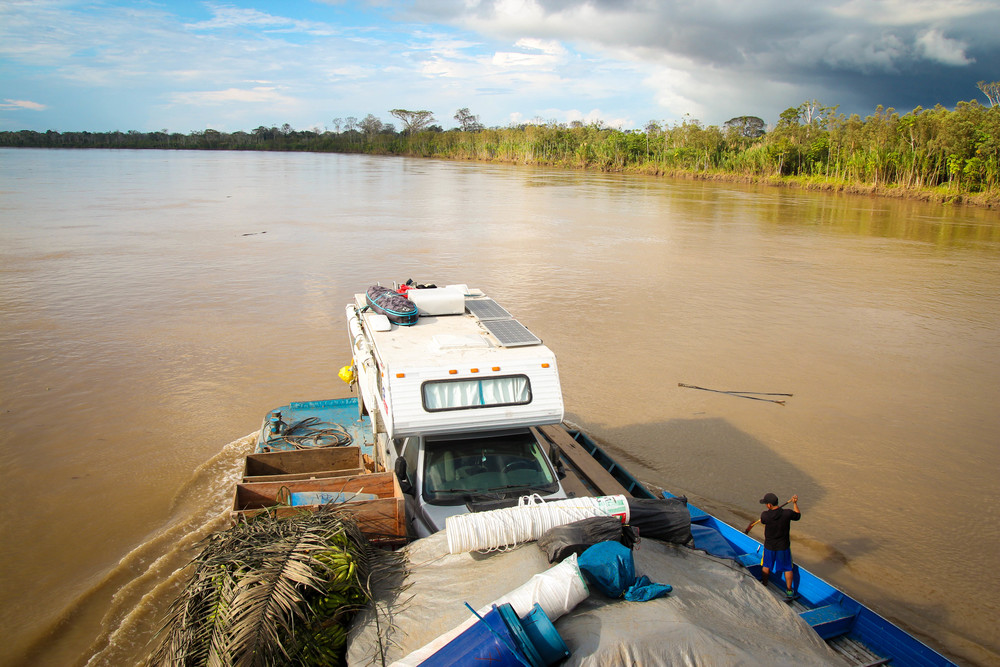
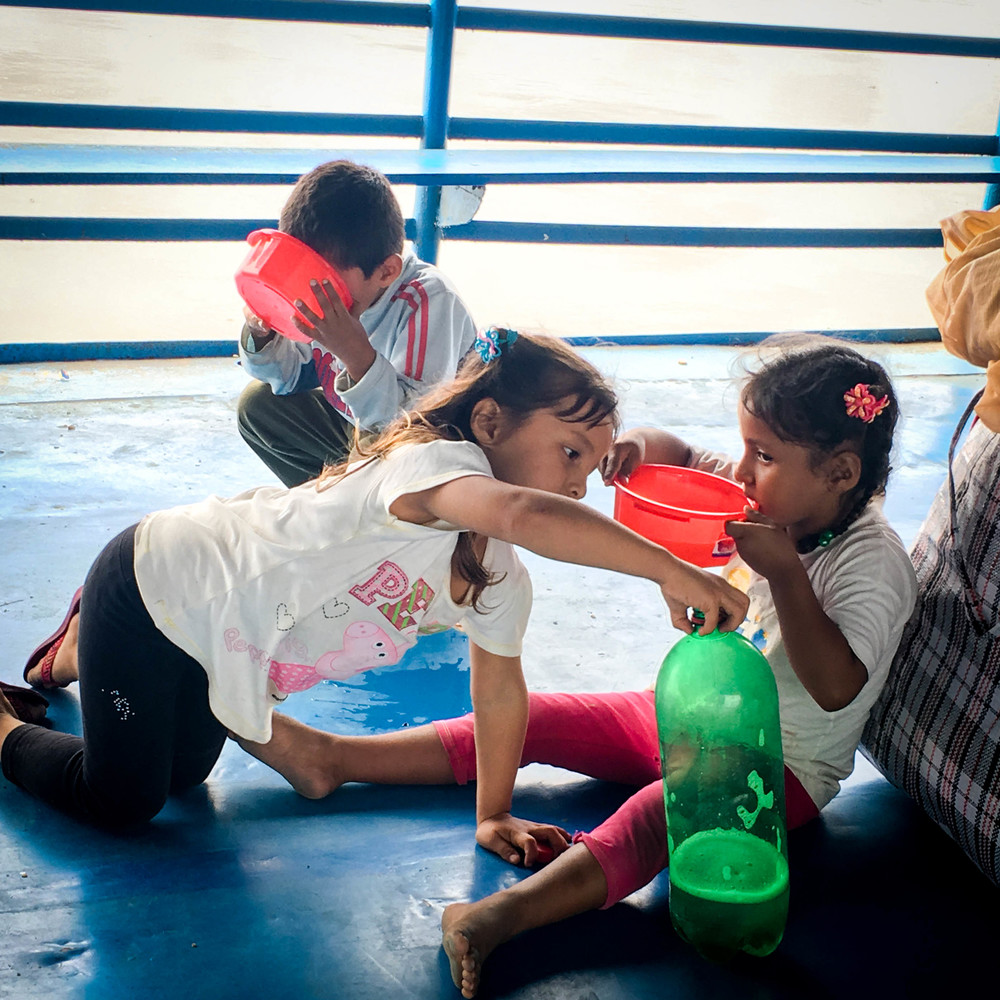
Perhaps expecting to see more wildlife, for most of the journey we just stared out at a seemingly endless vista of trees and fauna. Despite traveling in dry season, we got caught in some heavy rain storms that generally ceased as quickly as they commenced. Reflecting back on this experience, would I recommend taking “the slow boat”? Absolutely. Would I want to do it again? Likely not. However, this long journey down the curvaceous, east-moving river provided a unique opportunity to interact with people from villages along the Amazon River every time we stopped to load and unload cargo.
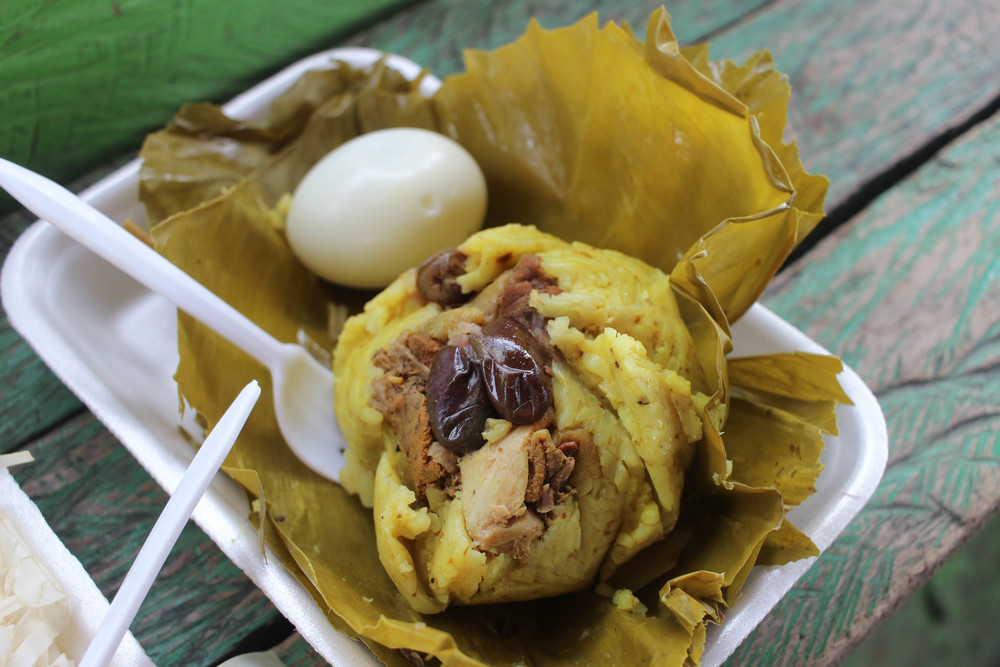
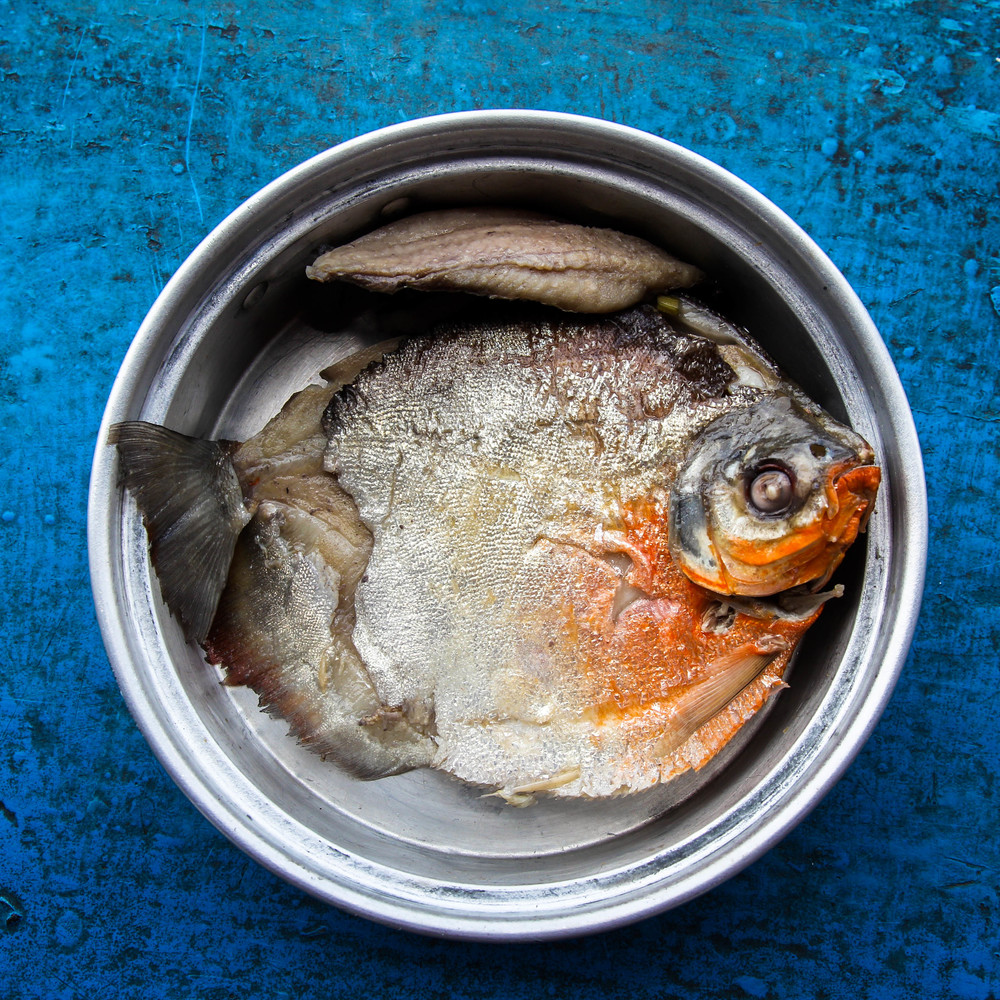
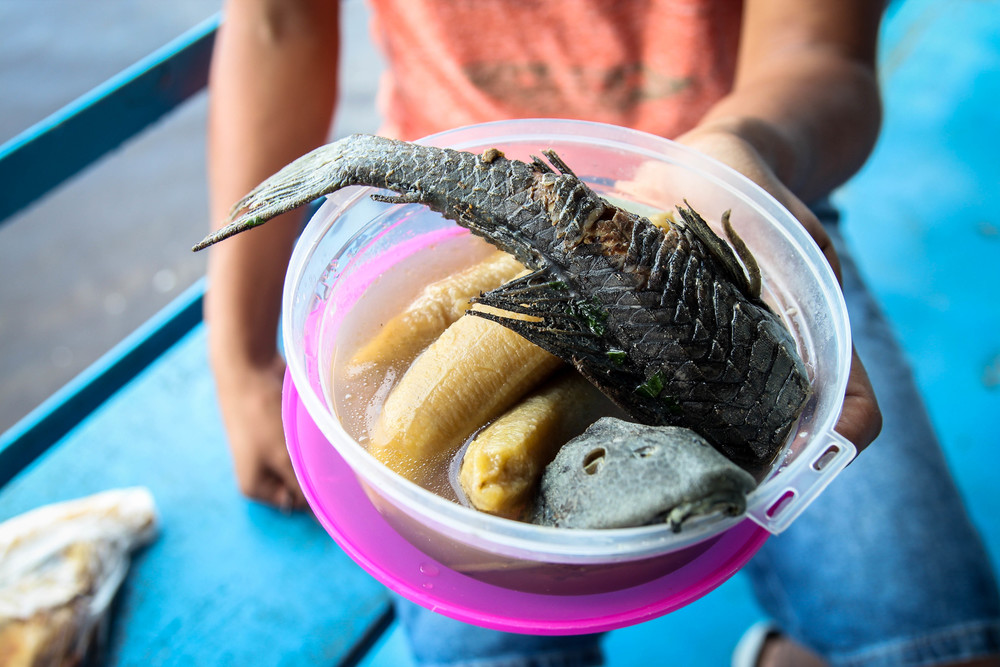
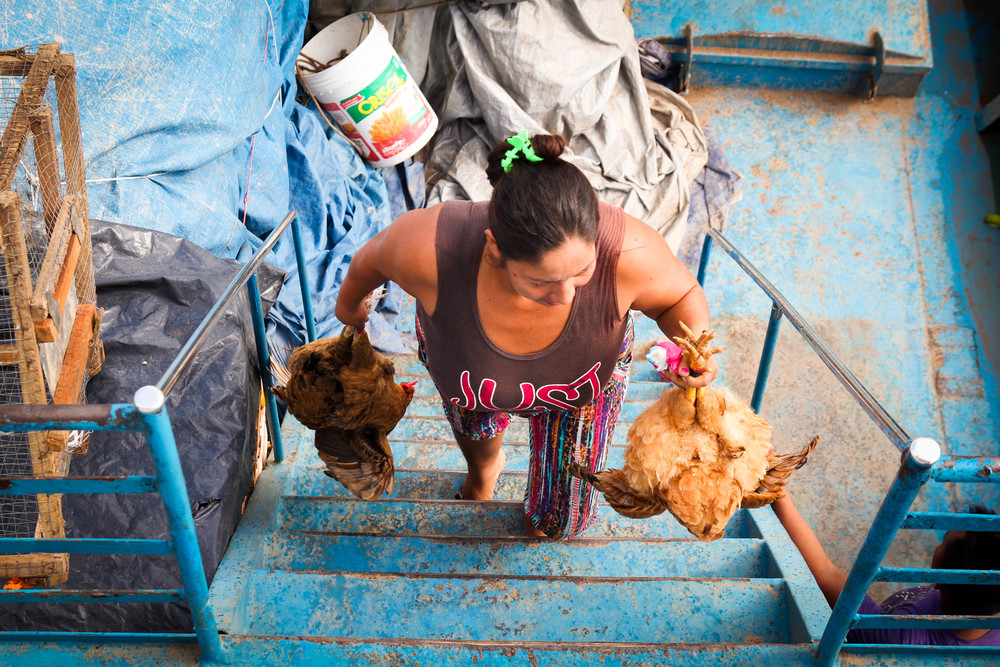
Only 5% of the Peruvian population lives in the Amazonian forest, yet it makes up 60% of Peru’s land mass. Though rich in lucrative natural resources such as oil and gold, most of the local economy in these rural villages survives off of selling goods to passengers when passing boats dock. As our boat stopped to unload cargo such as mandarins and chickens, villagers came storming onto the boats to sell jungle grub. Here I got introduced to an assortment of river fish such as orange-bellied piranhas, variations of cooked bananas, and my favorite, juane. Essentially juane is a concoction of rice, meat, olives, hard-boiled egg, and spices, all wrapped in a macaw-flower leaf and then boiled for an hour and a half. Loaded with flavor and easy to transport, it makes sense that juane are the perfect street snack. Common accompaniments are fresh hearts of palm (peeled like string cheese), suri (chubby worms), and boiled bananas.


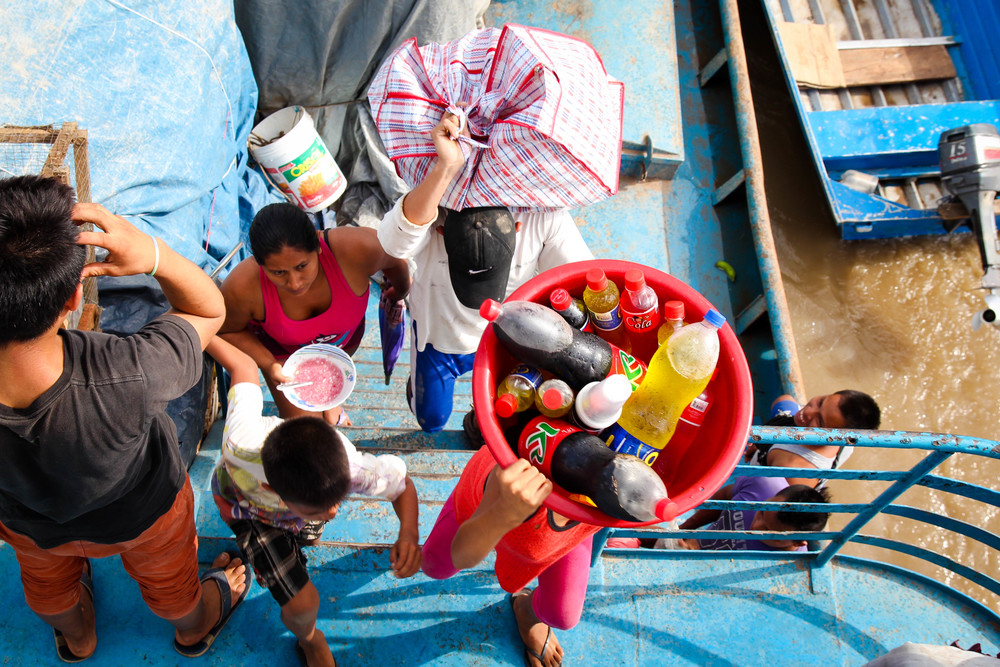
Despite stopping at some incredibly remote places, my time in the jungle only confirms that no place in Peru can escape the free market economy; sugar sweetened beverage companies are ubiquitous. So while most of the people on the boat sold modest protein-based meals and fruits, one could also count on someone coming by with a bucket of soft drinks. I am simultaneously horrified and in awe that places so isolated and lacking basic social services have no shortfall of soft drinks. This observation makes me hypothesize that large fast food chains are arguably not the biggest threat to nutritional health; instead, sugar sweetened beverage companies are the biggest health hazard of the future. As the accessibility of these beverage companies continues to infiltrate even remote Amazonian communities, it is up to the government- elected by the people- to decide to what degree they want their future health status to be shaped by this profiteering industry.

Shane Fallon is a graduate student in the School of Public Health at UC Berkeley.
To read more about Shane’s travel and research visit her blog at http://www.sfeatsinsf.com/journal-entries/.

Leave a Reply