Flávia Leite, a 2025–26 CLACS Graduate Affiliate, writes about her research on Brazil's public housing program Minha Casa Minha Vida (MCMV, My Home My Life). How do people in a program providing nearly free housing end up facing more debt and evictions?
Brazil: Zika, Chika, Coup d’Etat
Photo by Public Domain. By Nancy Scheper-Hughes We are in the last week of the Brazil Olympic games. Cal athletes are well represented, and on Berkeley’s campus we are celebrating Cal student Ryan Murphy’s second gold medal in Rio de Janeiro. Yet, as we cheer on one of our own and take part in the... Continue Reading →
The Myth of Unified Unrest in Brazil
March 15, 2015: A protest in São Paulo drew more than 1 million participants, demanding an end to impunity and corruption and the departure of President Dilma Rousseff. (Photo by Radio Interativa.) by Rebecca Tarlau and Liz McKenna If you’ve been following the headlines about Brazil over the past several years, you’ve no doubt heard... Continue Reading →
On the Ground During the 2014 Brazilian Presidential Election
By Robert Snyder One of many campaign cars for a Workers' Party city council candidate in Niterói, near Rio de Janeiro. Last fall’s Brazilian presidential election exposed deep rifts in the country’s political and social landscape. The animosity demonstrated by the candidates — who included the incumbent, Dilma Rousseff of the Worker’s Party (PT), and... Continue Reading →
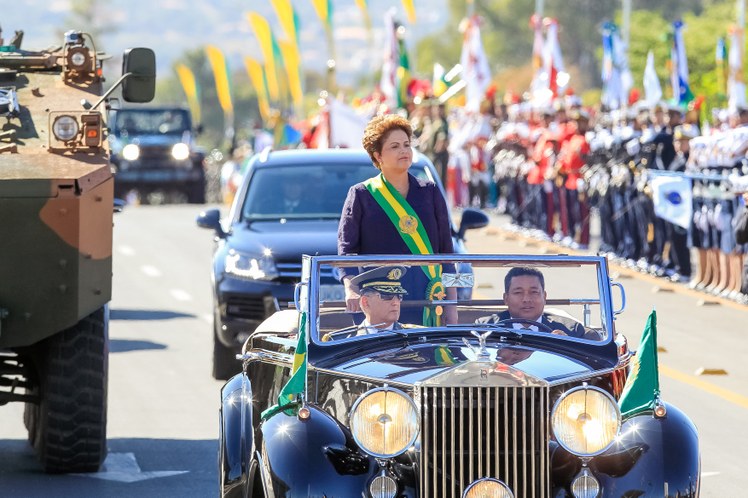
Regime Change From Roosevelt to Rousseff
By Carola Binder Eleanor and Franklin Delano Roosevelt. (Photo courtesy of the FDR Presidential Library & Museum.) President Franklin Delano Roosevelt was elected in October 1932, in the midst of the Great Depression. High unemployment, severely depressed spending, and double-digit deflation plagued the economy. Shortly after his inauguration in March 1933, a dramatic turnaround occurred.... Continue Reading →
Mercosur: The Need for Reforms
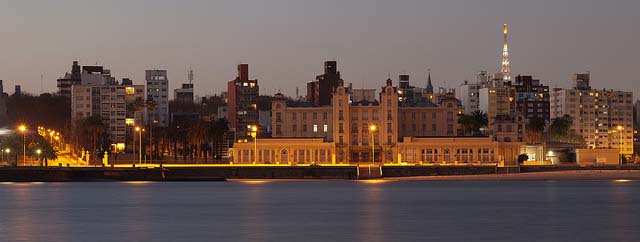
By Luis Ferreira Alvarez The Mercusur Building, Montevideo, Uruguay. (Photo by Jimmy Baikovicius) As Brazil and Argentina continue in recession, the Southern Common Market (Mercosur/Mercosul) provides them with a regional mechanism to restore economic growth. However, Mercosur has abandoned its free trade vision, instead becoming a protectionist organization. Reforming Mercosur would provide momentum for economic... Continue Reading →
The Brazilian Election and Central Bank Independence
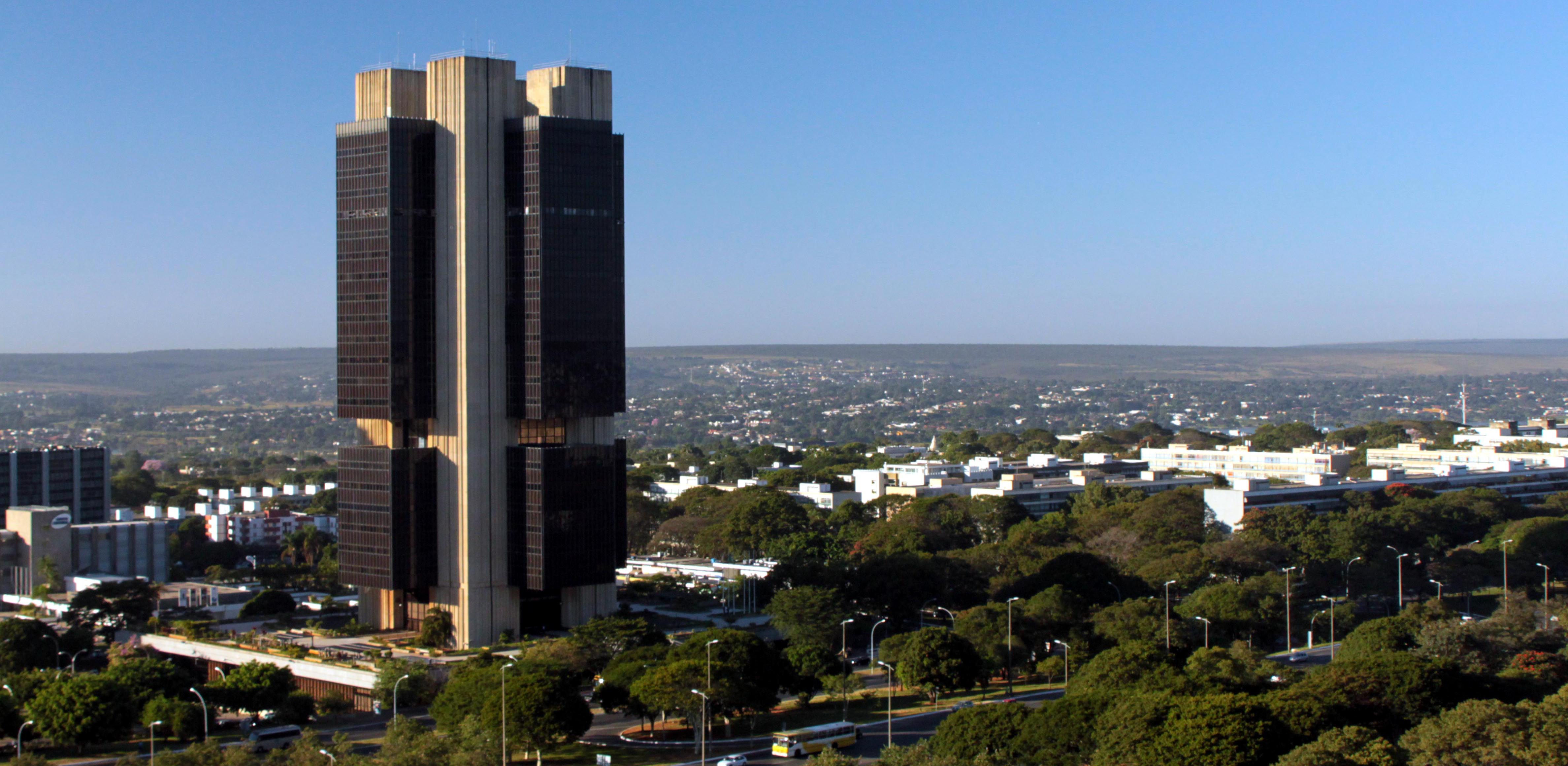
By Carola Binder The headquarters of the Banco Central do Brasil in Brasília. (Image courtesy of the Banco Central do Brasil.) Brazilians will head to the polls on October 5 to vote in a tight presidential race. President Dilma Rousseff’s leading challenger is Socialist Party candidate Marina Silva. A key component of Silva’s economic platform... Continue Reading →
Where Are the Protests? The Fitful Giant and Its Futebol
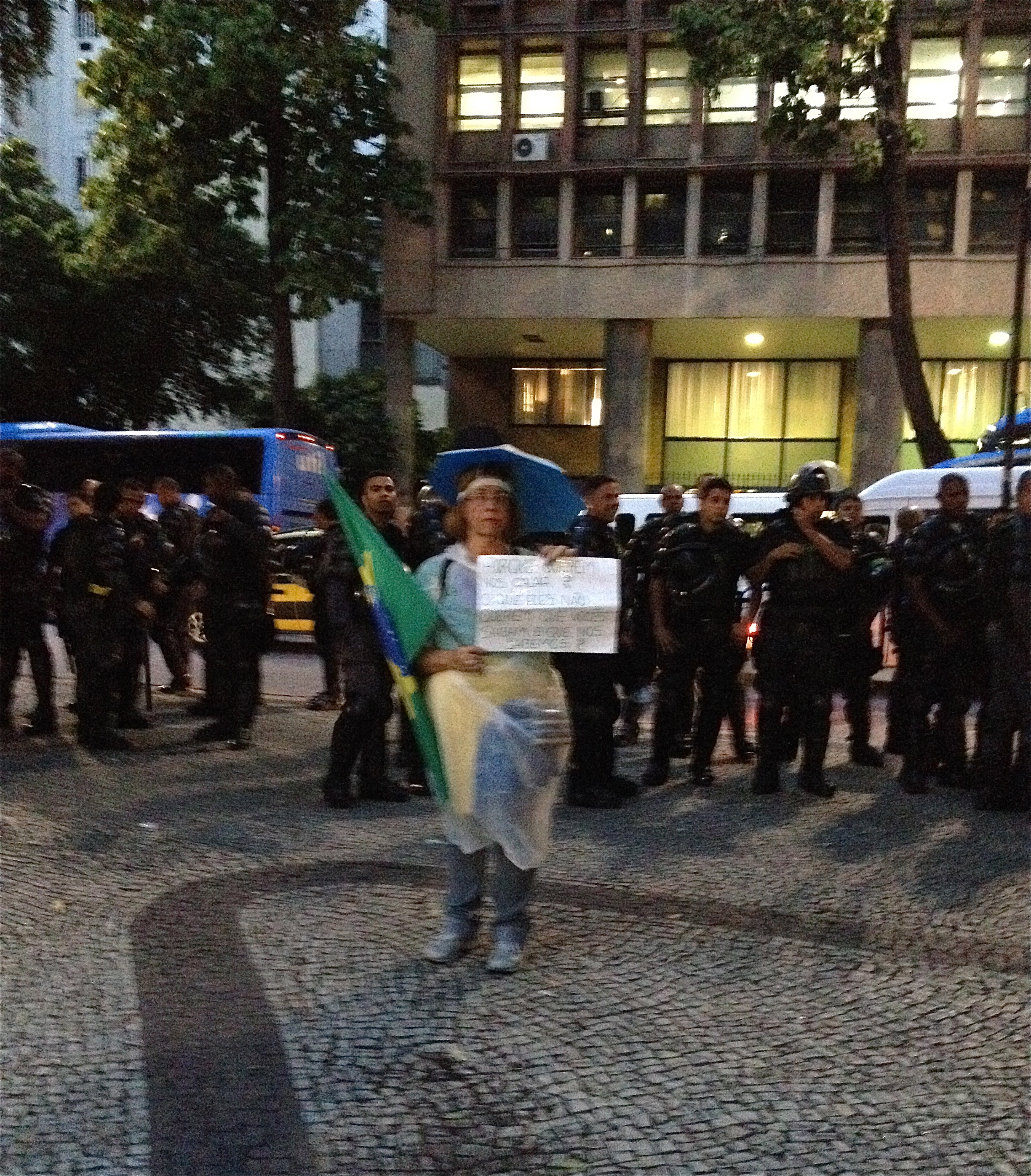
By Elizabeth McKenna A flyer that circulated on social media platforms before the planned June 20 anniversary protest. Superimposed on an image of the 300,000-person march on that date one year earlier, the text reads: prepare your breath, no letting up, 2014 will be bigger. The protest was billed as “The Return of the Giant”... Continue Reading →
Thirty Years of Struggle for Agrarian Reform: The 2014 National MST Congress
By Rebecca Tarlau Rebecca Tarlau with two students who are protesting the closure of rural schools. On Sunday, February 9, 2014, hundreds of buses carrying thousands of peasant farmers from across Brazil arrived in the capital city of Brasília. These farmers travelled to the capital to participate in the Sixth National Congress of the Brazilian... Continue Reading →
Community Engaged Research in Salvador, Brazil
by Guillermo Jaimes In Brazil, the problems of the developing world exist side-by-side with the problems of the developed world. The country has a high incidence of both infectious diseases associated with a lack of basic sanitation and so-called “first-world diseases” such as hypertension and heart disease. Collecting rat specimens to test for leptospirosis in... Continue Reading →