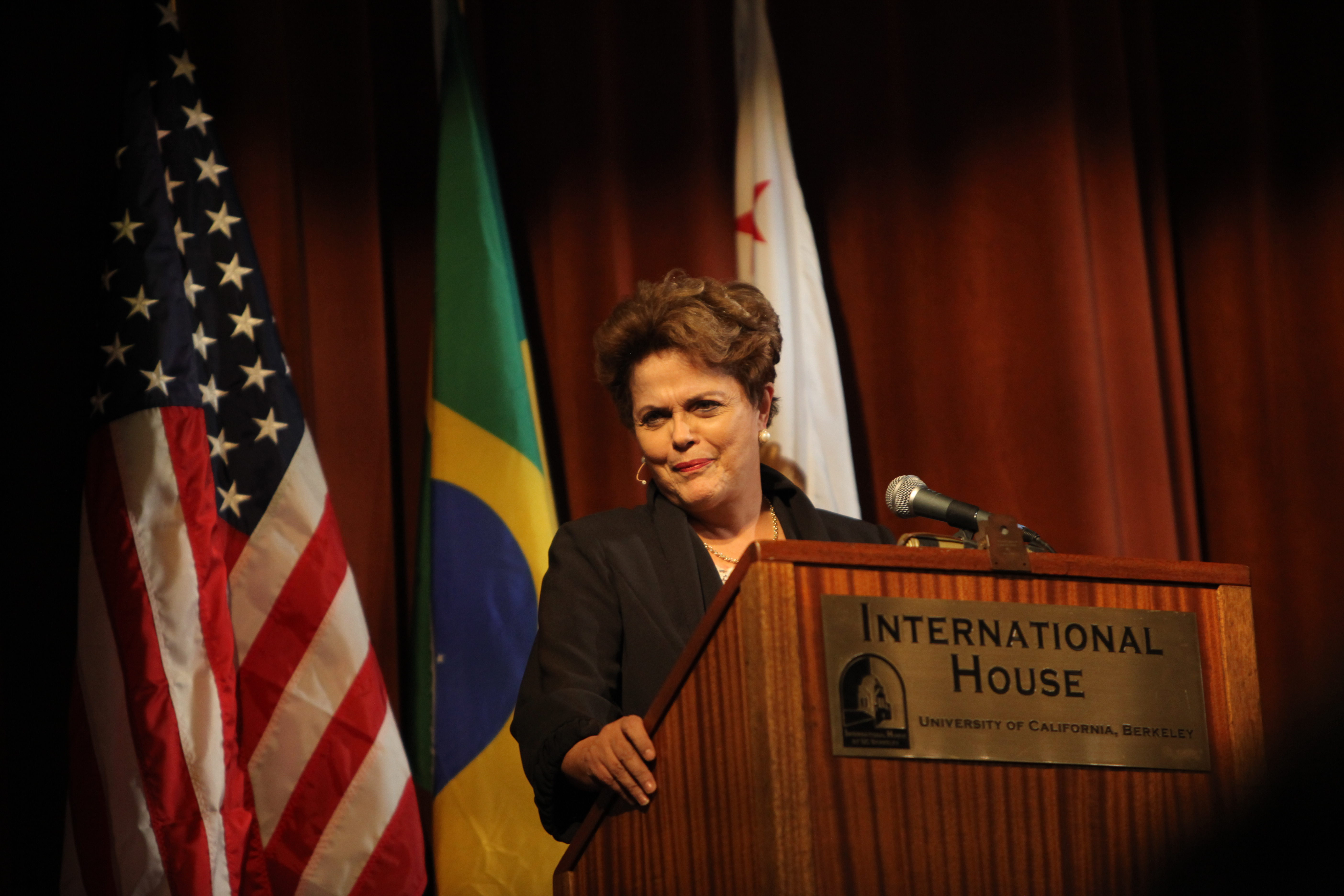
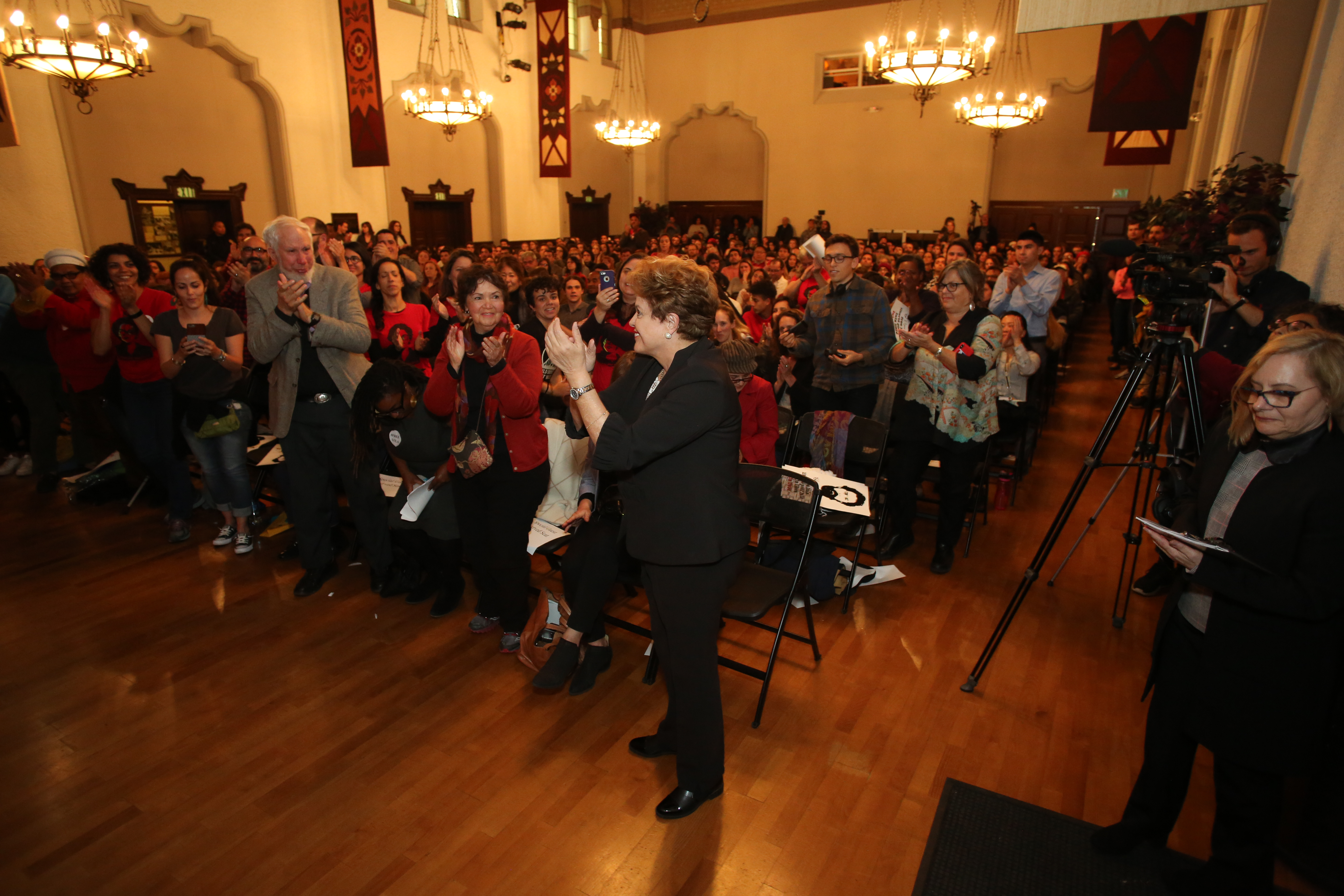
Dilma Rousseff (President of Brazil, 2011-16) gave a talk at UC Berkeley on April 16, 2018 titled "Challenges for Democracy in Brazil". The event was organized by the Center for Latin American Studies (CLAS) and cosponsored by the Department of Sociology and the Charles and Louise Travers Department of Political Science. In this series, various scholars... Continue Reading →
Carlos R. S. Milani on President Dilma Rousseff at UC Berkeley
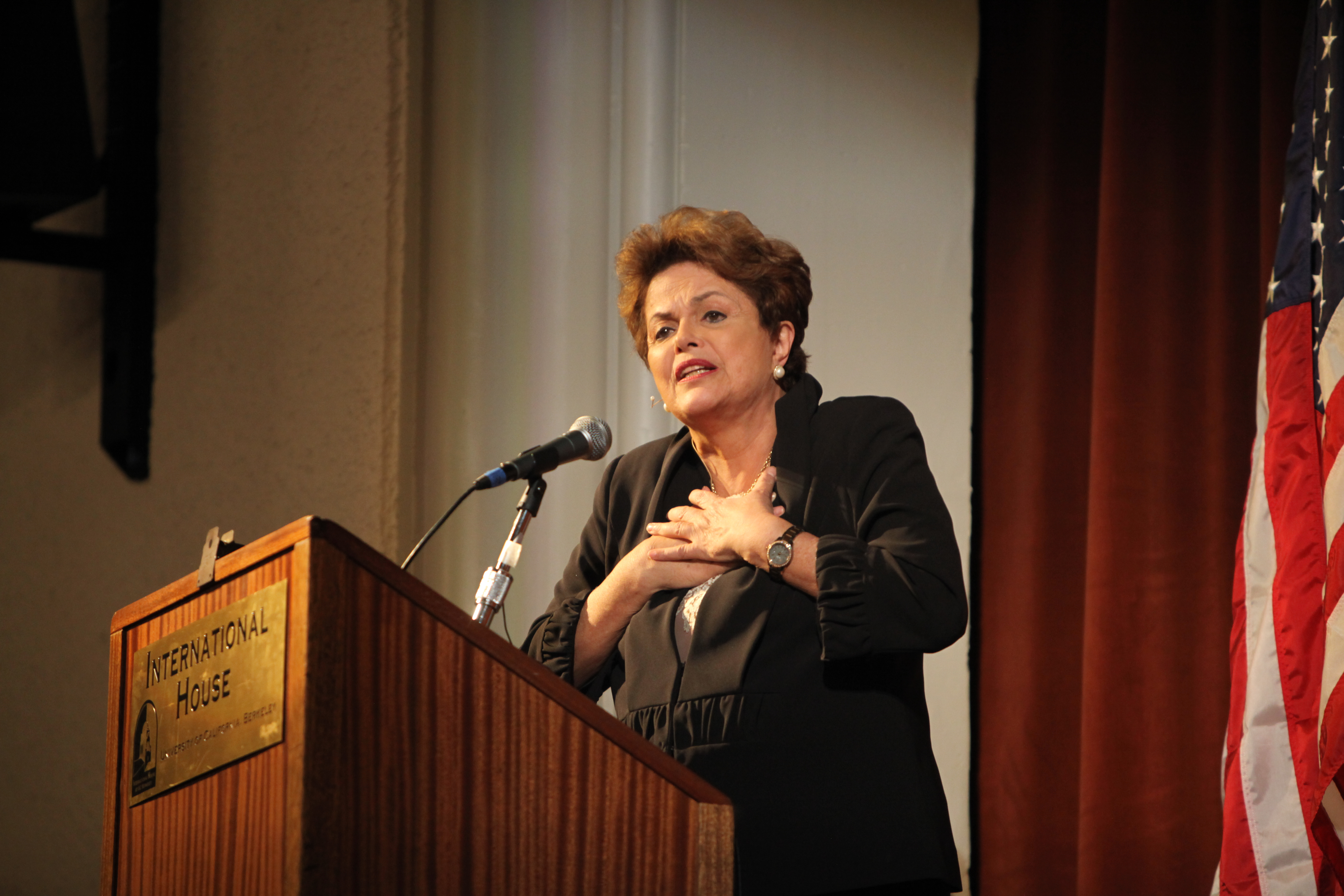
Dilma Rousseff (President of Brazil, 2011-16) gave a talk at UC Berkeley on April 16, 2018 titled "Challenges for Democracy in Brazil". The event was organized by the Center for Latin American Studies (CLAS) and cosponsored by the Department of Sociology and the Charles and Louise Travers Department of Political Science. In this series, various... Continue Reading →
Brazil’s Electoral Reform: The More Things Change, The More They Stay The Same
By Liz McKennaNovember 4, 2017 This article was originally published in Portuguese by Nexo. In the stream of sensationalist stories coming out of Brazil, electoral reform seems among the least newsworthy. The updated rules of the political game, however, reveal exactly how the deck gets stacked against democracy—and how incumbent elites tinker with institutions to... Continue Reading →
One Year Post-Temer: A Conservative Shift, the Left Response, and an Uncertain Brazilian Future
By Rebecca Tarlau It has been one year since the first female President of Brazil, Dilma Rousseff, was removed from office and her Vice President, Michel Temer, took power. I have spent most of the past year in Brazil, observing the tumultuous events unfold. In this short blog post, I recount some of the most... Continue Reading →
Latin America Moves Forward with Renewable Energy
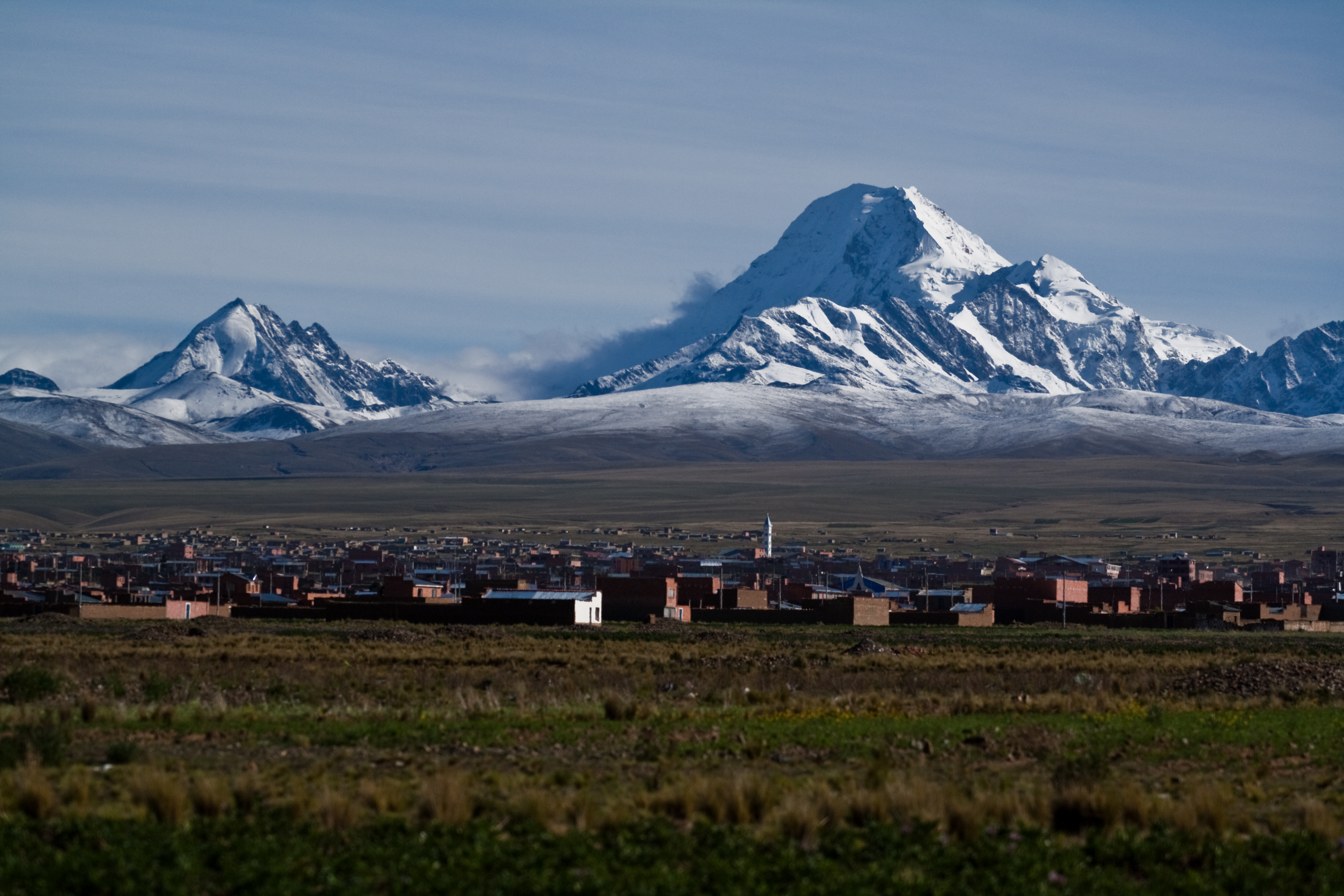
By Steve Weissman You don’t need to convince the farmers in Bolivia’s Altiplano that their climate is changing, as weather patterns and drought become consistently more severe. Glaciers have retreated. Snow pack is short-lived. People living and working in these communities have no confidence that sufficient water will return to support plants and animals. Dramatic life... Continue Reading →
Political Crisis in Brazil: What is at Stake for Public Policies?
By Carlos R. S. Milani In 2014, the Workers Party won their fourth consecutive presidential election. Since then, Brazil’s economic crisis has deepened, gradually developing into political turmoil and threatening its 30 year-old democracy. At the origin of this crisis is the belief that corruption is the country’s worst problem (rather than inequality!), and that... Continue Reading →
Brazil: Zika, Chika, Coup d’Etat
Photo by Public Domain. By Nancy Scheper-Hughes We are in the last week of the Brazil Olympic games. Cal athletes are well represented, and on Berkeley’s campus we are celebrating Cal student Ryan Murphy’s second gold medal in Rio de Janeiro. Yet, as we cheer on one of our own and take part in the... Continue Reading →
The Myth of Unified Unrest in Brazil
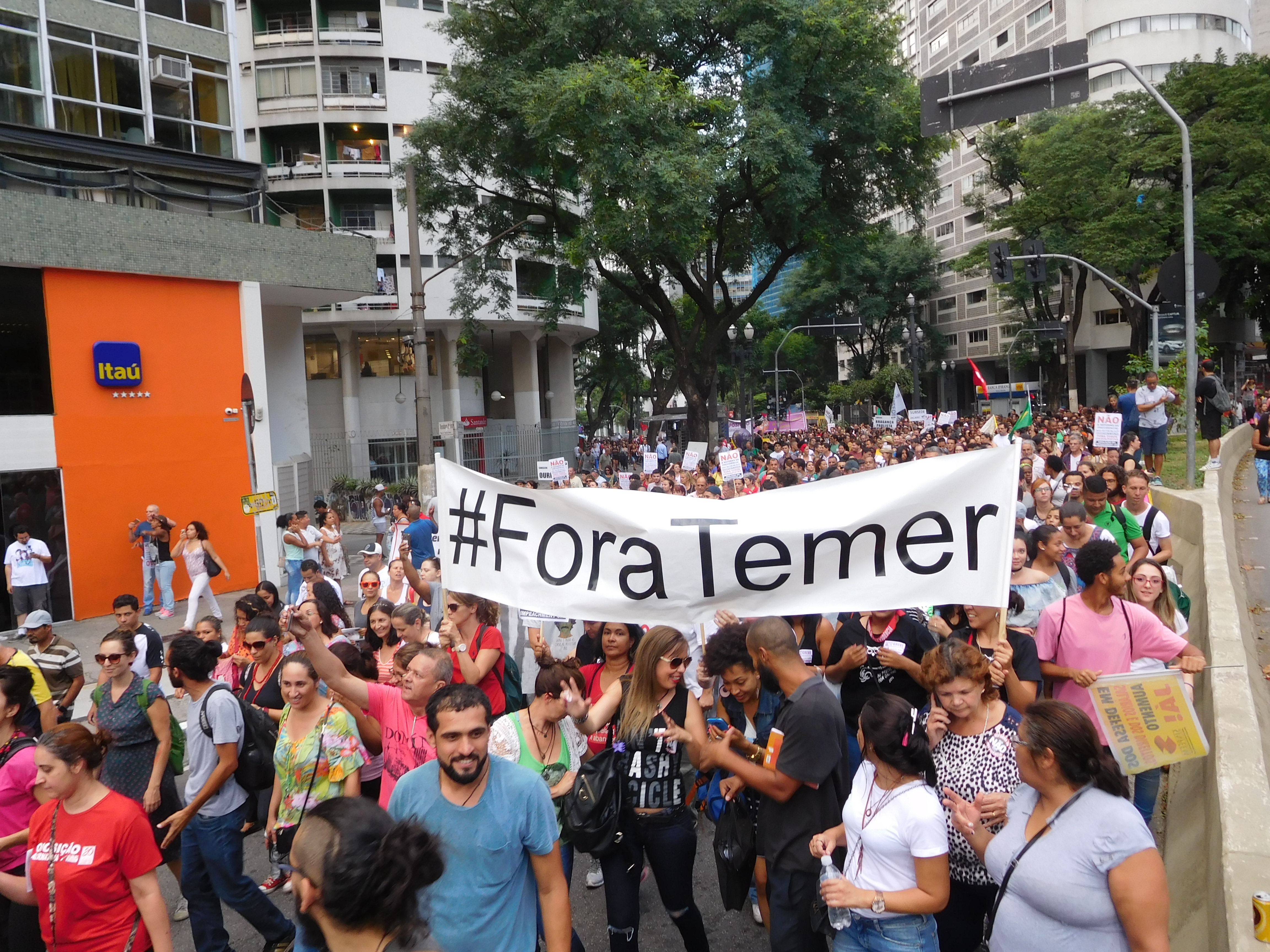
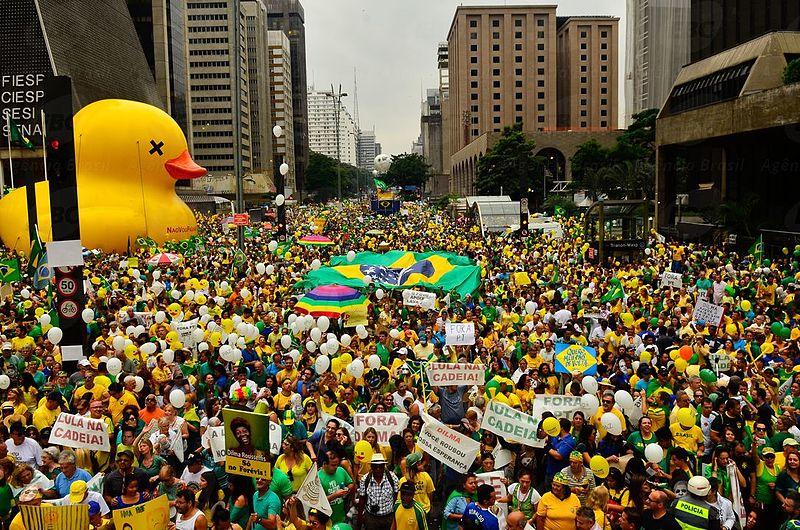
March 15, 2015: A protest in São Paulo drew more than 1 million participants, demanding an end to impunity and corruption and the departure of President Dilma Rousseff. (Photo by Radio Interativa.) by Rebecca Tarlau and Liz McKenna If you’ve been following the headlines about Brazil over the past several years, you’ve no doubt heard... Continue Reading →
On the Ground During the 2014 Brazilian Presidential Election
By Robert Snyder One of many campaign cars for a Workers' Party city council candidate in Niterói, near Rio de Janeiro. Last fall’s Brazilian presidential election exposed deep rifts in the country’s political and social landscape. The animosity demonstrated by the candidates — who included the incumbent, Dilma Rousseff of the Worker’s Party (PT), and... Continue Reading →
Regime Change From Roosevelt to Rousseff
By Carola Binder Eleanor and Franklin Delano Roosevelt. (Photo courtesy of the FDR Presidential Library & Museum.) President Franklin Delano Roosevelt was elected in October 1932, in the midst of the Great Depression. High unemployment, severely depressed spending, and double-digit deflation plagued the economy. Shortly after his inauguration in March 1933, a dramatic turnaround occurred.... Continue Reading →