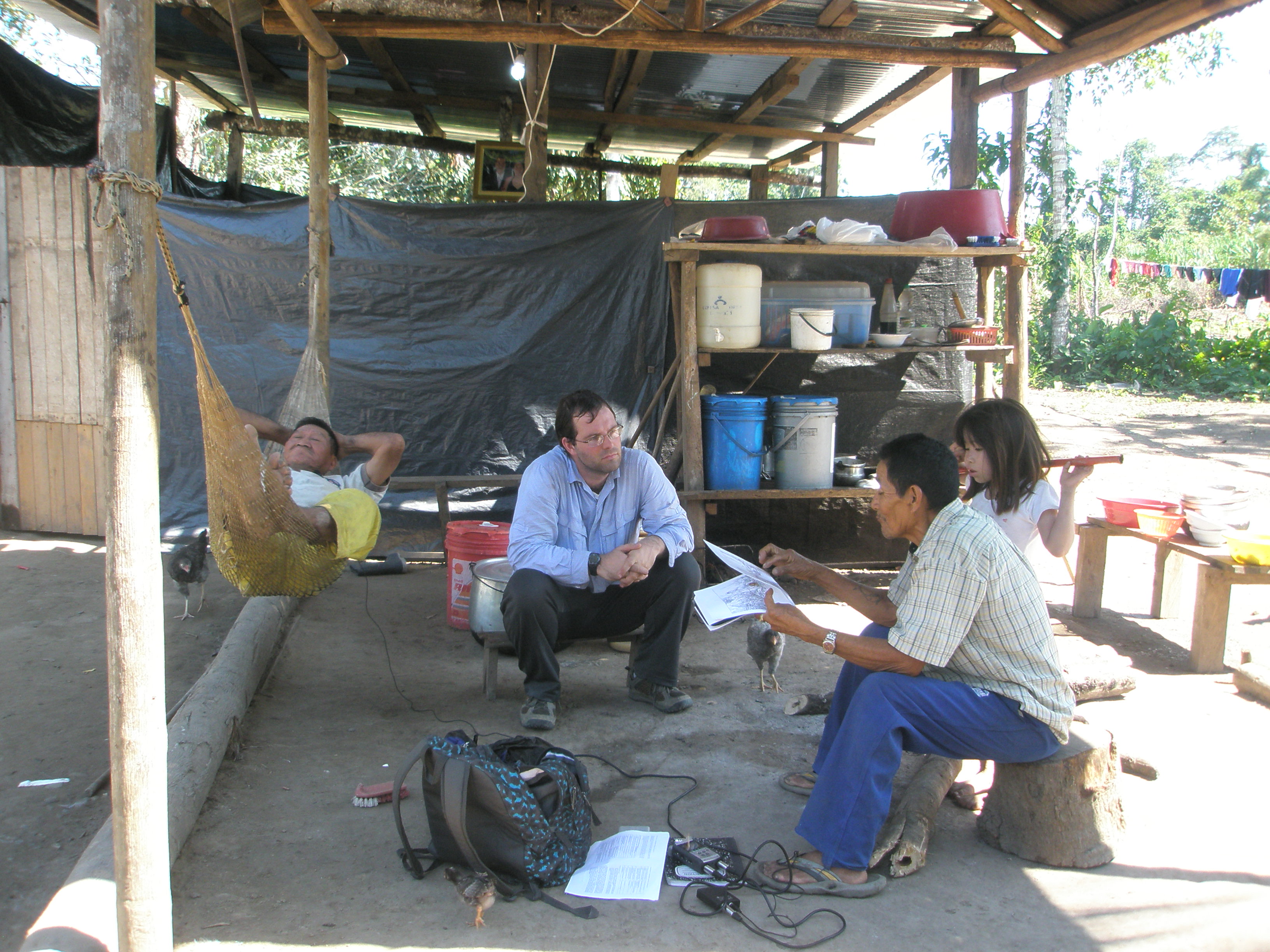
by Jevon Heath María Luisa has painted her face in the traditional patterns but with a Sharpie marker rather than the pigments she used in her youth. Due to the heat of the evening and the exertions of cooking, sweat has erased most of the painted lines. The traditional Yaminawa repast she has prepared, a... Continue Reading →
Peña Nieto’s Inherited War
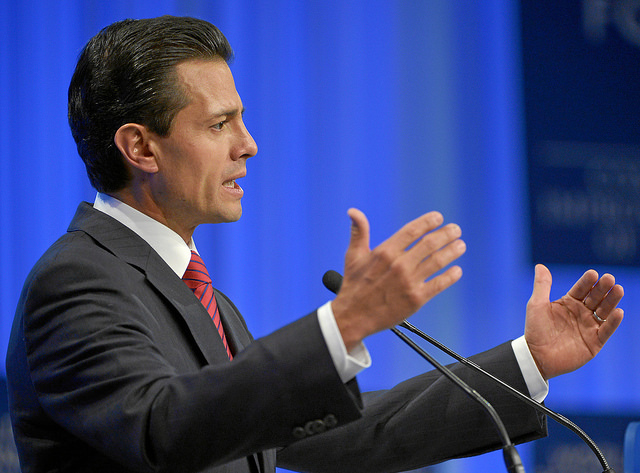
Tara Buss by Tara Buss After six years and nearly 70,000 homicides directly linked to the ongoing war with drug trafficking organizations, the citizens of Mexico voted the National Action Party (PAN) out of the executive. By replacing President Calderón with Institutional Revolutionary Party (PRI) candidate Enrique Peña Nieto, Mexico returned to the well-known rule... Continue Reading →
Amid Colombian Peace Talks, Village Leaders Become Targets
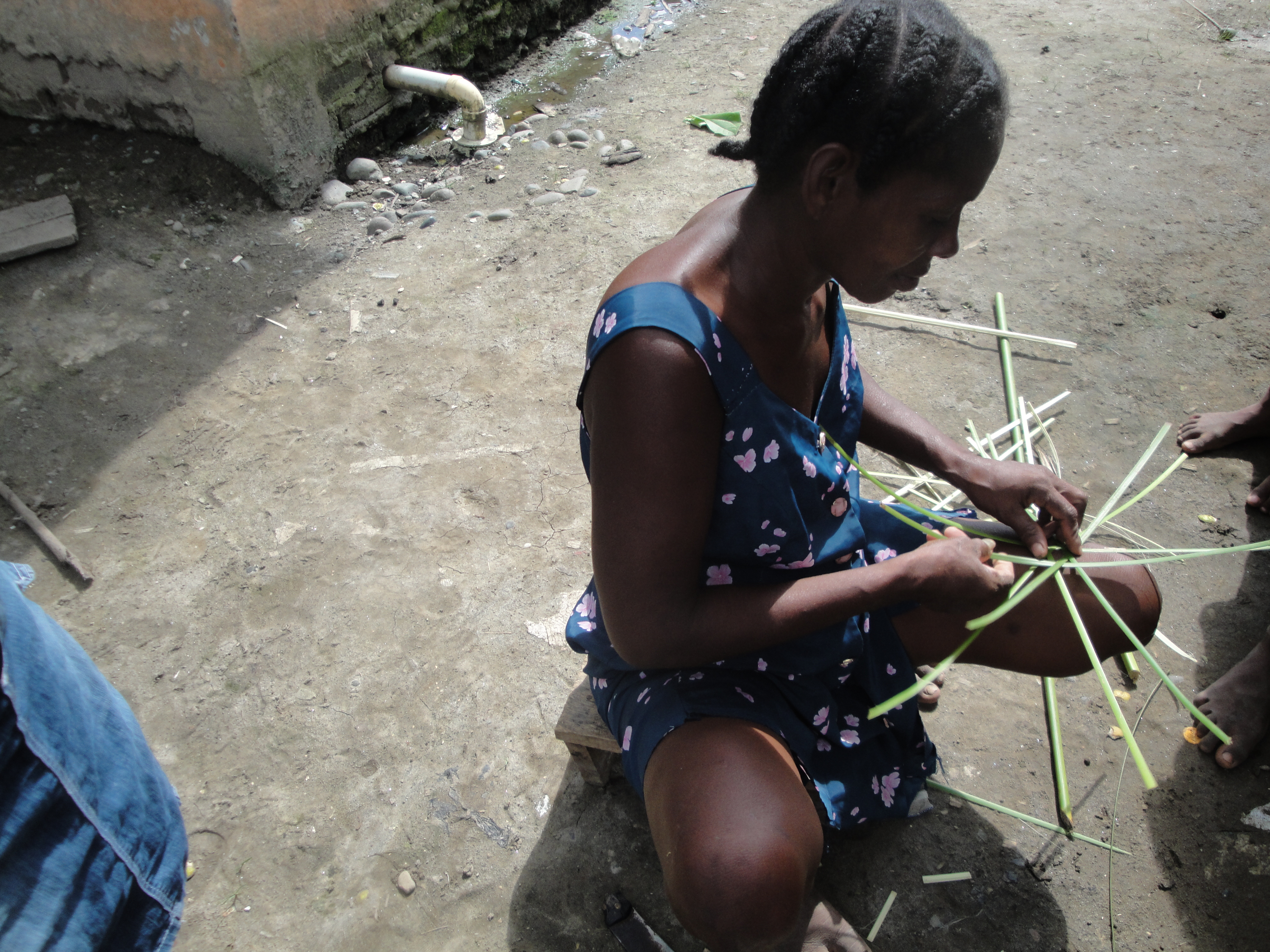
by Sarah Krupp While Colombian peace negotiations stir hope that a five-decade long insurgency will come to an end — in a strange twist — they have also put the leaders of a small village on the Pacific Coast in peril. Less than two years ago, when I did my thesis research on this Afro-Colombian... Continue Reading →
The Chilean Twist in Education: Back to the State
by Miguel Ordenes The Chilean education system, the paradigm of market-based reform, is experiencing one of its biggest twists since its foundation in 1981. Chile is moving away from a totally free market in education toward a mixed system with a powerful new role for the state. Chile has been a pioneer in the implementation... Continue Reading →
Remembering the Big Picture: A Need for Unbiased Dialogue About the Cuban Reality
by Vaitiari Rodriguez I vividly remember my grandfather saying that in Cuba, kids learned how to say “Fidel” and “Communism” before they could say mom or dad. Every time my family spoke about the government and politics they used to lower their voices and turn on the television, so none of the neighbors could listen... Continue Reading →
Segregated Voting: An Outdated Chilean Political Practice
by Mayra Feddersen Last year, the Chilean National Congress modernized the electoral system, automatically registering all qualified residents to vote and making voting itself voluntary. Previously, registering to vote was optional, but once you registered, voting was obligatory, with fines of up to $224 for registered voters who didn’t show up at the polls. The... Continue Reading →