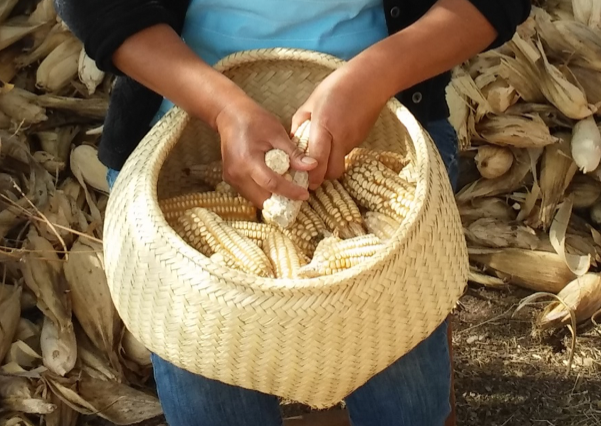
By Julia Nee A mother dekerneling corn, submitted by a Zapotec language learner as part of a Photovoice project where students were asked to take a picture of “what speaking Zapotec means to me.” (Photo courtesy of Julia Nee). In Teotitlán del Valle in southern Mexico, there are many people who desire to use and... Continue Reading →
El Sueño Mexicano: Returning Migrant Youth’s Adaptation Experience in Mexico
By Adriana Ramirez Downtown Oaxaca, Mexico by night. (Photo by Eduardo Robles Pacheco). Mexican migration in the U.S. is typically perceived to come from the South, as migrants pursue the “American Dream” in the North. My research focuses on the children of migrants who have no agency in their own migration to the U.S. Even... Continue Reading →
The Quechua Alliance: Promoting and Celebrating Quechua and Andean Culture in the United States
By Ana Lucía Tello Attendees of the fourth annual Quechua Alliance Meeting. (Photo courtesy of Quechua at Penn). Spoken by 8-10 million people in the Andes, Quechua is the most widely spoken indigenous language in the Americas, yet it is still considered endangered. As scholars Kendall King and Nancy Hornberger argue, “data from a range... Continue Reading →
History and Archaeology among the Ch´ol: Ethnographic Dialogues in Northern Chiapas, Mexico
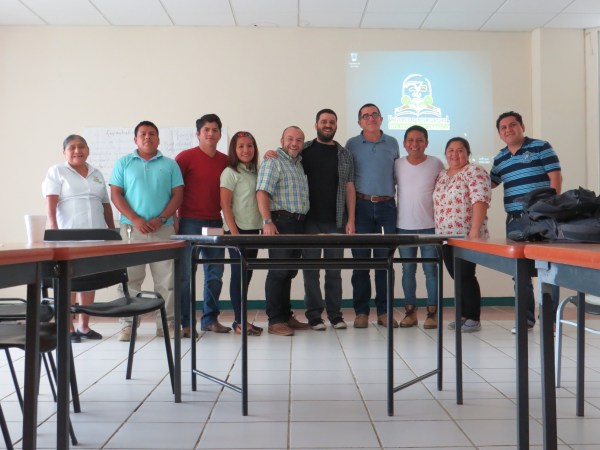
By Esteban Mirón Marván Professors at the UIET in Oxolotán after a workshop on Classic Maya archaeology led by the author. (Photo courtesy of Esteban Mirón Marván). Archaeologists in the Maya region have exploited the heritage and history of the contemporary indigenous Maya peoples for more than a century. For the last eight decades federal... Continue Reading →
La región no tan transparente
Where the Air Is Not so Clear By Jimmy Mahady Mexico City traffic by night. (Photo by Sapdiel Gómez Gutiérrez.) The people of Mexico City are used to watching the mountains surrounding the city fade into the smoggy afternoons. The snow-capped volcanoes give way to a grey haze that envelops their days. The high-altitude air... Continue Reading →
Unraveling the Development and Evolution of Transparency in Butterflies
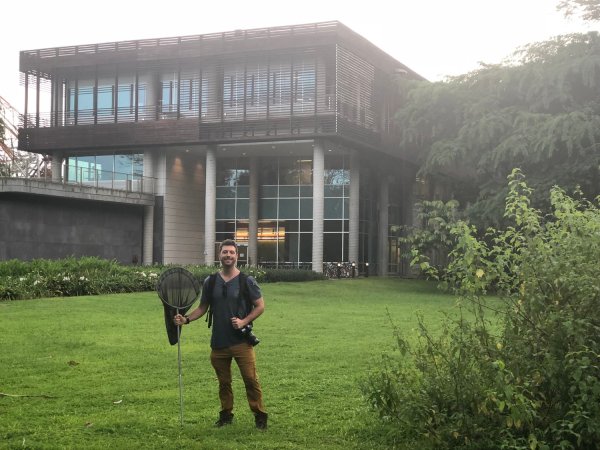
By Aaron Pomerantz The author at the Smithsonian Tropical Research Institute (STRI) in Gamboa, Panama. (Photo courtesy of Aaron Pomerantz.) How does an animal become invisible? Enter the paradox of the glasswing butterfly. As the name implies, these butterflies have transparent parts of their wings, engendering a common notion that they are “invisible” to avoid... Continue Reading →
Concentration Camps in Northeast Brazil: 1915/1932
By Laura Belik The author inside of former train station at Campo do Patú, in Senador Pompeu, CE. (Photo courtesy of Laura Belik.) The concentration camps in Northeast Brazil hold what one might call hidden histories. Built between 1915 and 1932, the camps were perceived as a form of aid towards groups who were migrating... Continue Reading →
Climate Threats and Opportunities in Aguascalientes, Mexico
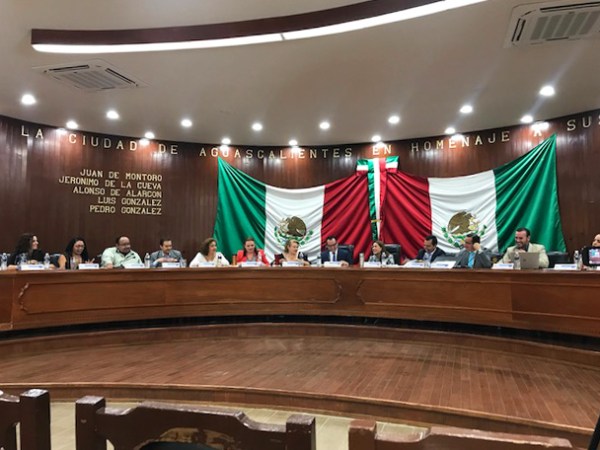
Student Research Series: UC Berkeley graduate students reflect on their fieldwork By Julia Branco A City Council meeting in Aguascalientes, Mexico. (Photo by Julia Branco). Funded in part by a Tinker Field Research grant from the Center for Latin American Studies, I spent two months in Aguascalientes, Mexico learning about climate threats in the region.... Continue Reading →
Corra pro Abraço: A Harm Reduction Approach to Challenging the Punitive and Racialized Management of Poverty in Brazil
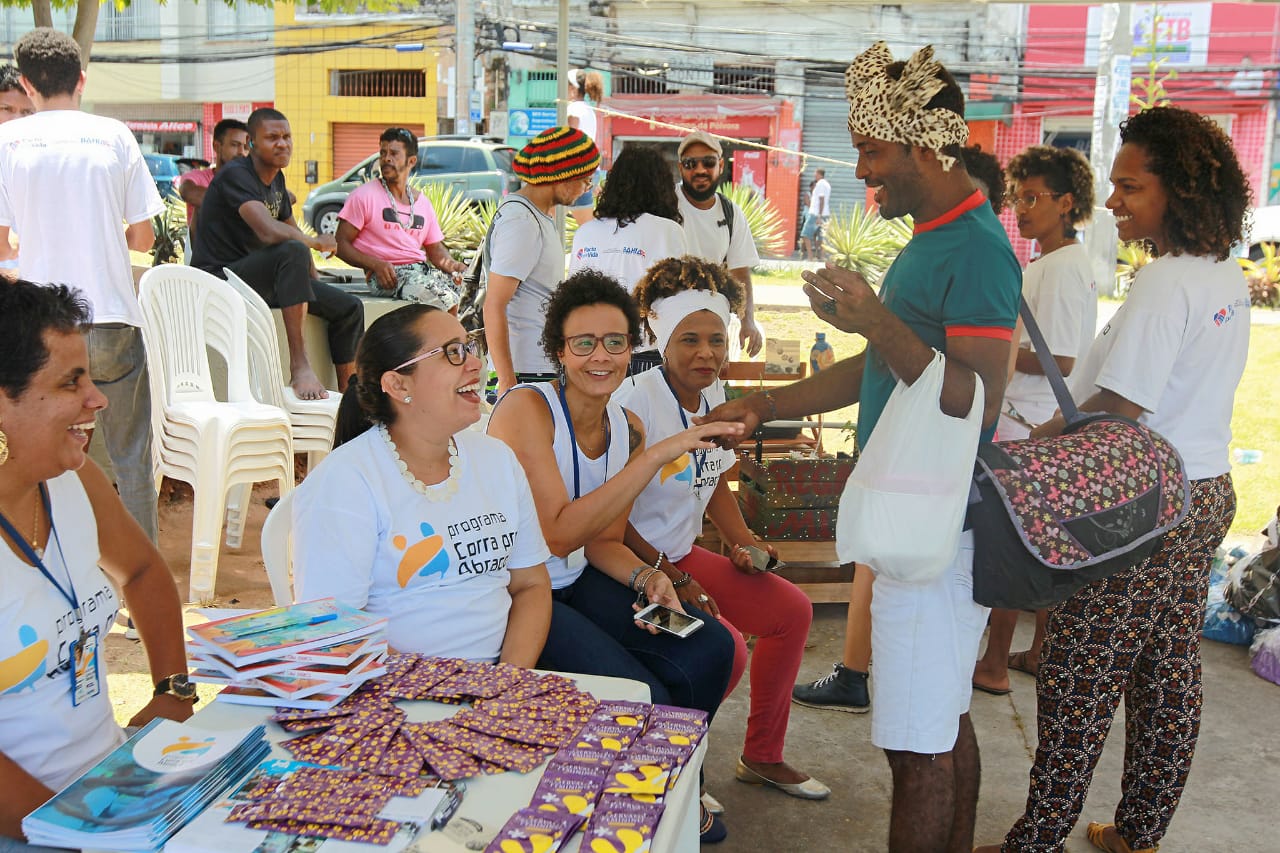
By Maria-Fátima Santos Corra program operators and participants in Salvador, Bahia. (Photo courtesy of SJDHDS/GovBA Photo Collection.) A Pioneering Harm Reduction Program in Bahia State Entirely coordinated by Black women since its inception in 2013, Corra Pro Abraço (Corra) is one of the first state-funded harm reduction programs in Brazil. Literally translating as “Run to the... Continue Reading →
Desafíos del nuevo gobierno en Colombia
Por Daniel Payares Montoya Read this entry in English here. La inauguración del President Iván Duque en Colombia. (Foto cortesía del gobierno Colombiano). El ocho de agosto inició el período de gobierno del presidente Iván Duque, quien tendrá que liderar a Colombia en los próximos cuatro años en medio de un ambiente político marcado por la polarización y... Continue Reading →